
Livraison le jour même ou le lendemain

Qualité garantie

Débloquez vos offres de bienvenue: Livraison GRATUITE | Jusqu'à -80 % | 30 jours d'essai gratuits à JoyPlus
Téléchargez l'application
By Joybuy, our product experts – Published July 14, 2026
Soy sauce is a cornerstone of many cuisines, but navigating the sauce aisle can be overwhelming. Light, dark, sweet, salty… How do you know which one to choose for which dish? If you're looking to add a salty, deep umami flavour to your dishes without darkening their colour, light soy sauce is your best ally in the kitchen.
This guide breaks down the key selection criteria and presents our top product picks to help you buy the right light soy sauce to elevate your dishes.
Choosing the right bottle is about more than just grabbing the first one you see on the shelf. To make the best choice, here are three key criteria to keep in mind.
The quality of a soy sauce depends first and foremost on its composition. The best sauces are the result of natural fermentation, a slow process that allows them to develop complex flavours. The basic recipe is simple: water, soybeans (preferably non-GMO), wheat, salt, and sometimes a hint of sugar. As a general rule, a short ingredient list is a sign of quality. Traditional Chinese soy sauce, for example, is renowned for its brewing process that adheres to these principles.
Light soy sauce is, by nature, a salty soy sauce; that's its primary function. However, for those monitoring their sodium intake, excellent alternatives are available. More and more brands are offering low-sodium soy sauce, designed to reduce sodium content without sacrificing umami flavour. A good habit to develop: check the nutritional information panel to compare the salt content (expressed in grams per 100 ml).
While versatile, each light soy sauce has its strengths. A very light and aromatic sauce will be perfect as a dipping sauce for your gyoza and sushi, or for adjusting the seasoning of a dish just before serving. A more robust version, on the other hand, will be an ideal base for a soy sauce marinade: it will tenderise meat while infusing it with its aromas. Think about your primary use for it to guide your choice.
To help you make your choice, our editorial team has reviewed several popular options on the market. Here are three products that stand out for their quality and flavour profile.
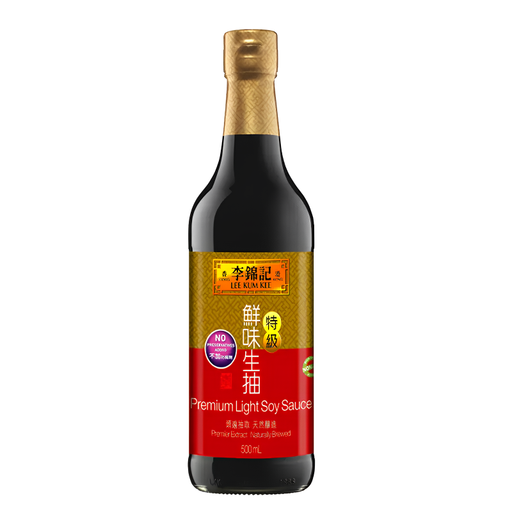
Why It Stands Out: This is THE go-to benchmark, a reliable choice favoured by many chefs. A century-old brand, Lee Kum Kee offers a high-quality light soy sauce made from natural fermentation. Its flavour is well-balanced, with a pronounced umami that makes it an excellent all-rounder.
Pros:
Who Is It For? For anyone looking for a reliable and versatile option that can adapt to most Asian recipes, from stir-fries to soups.
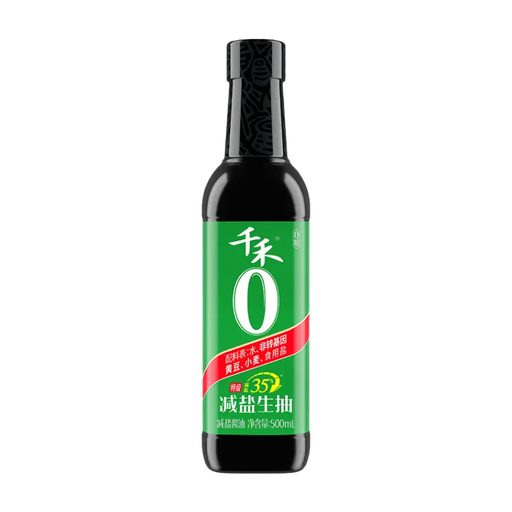
Why It Stands Out: This sauce is the perfect answer for health-conscious consumers. The Qian He brand has developed a unique process to reduce the salt content by 35% without compromising on umami flavour. Its composition is ultra-minimalist: five ingredients, and that's it. No additives, preservatives, or flavour enhancers.
Pros:
Who Is It For? Ideal for families and anyone who wants to control their sodium intake without giving up the authentic taste of a good soy sauce.
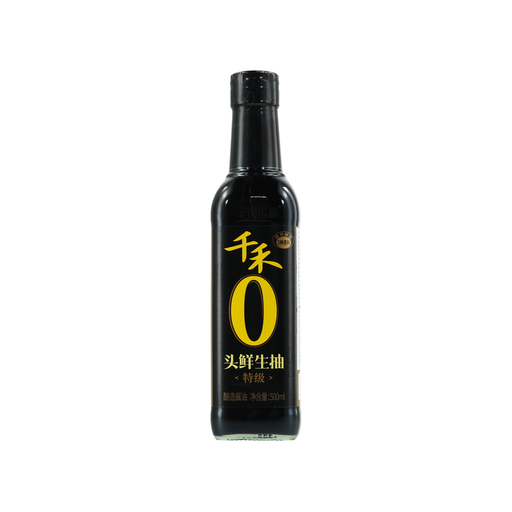
Why It Stands Out: The term "first press" refers to the very first liquid extracted during fermentation, much like extra virgin olive oil. This extract is considered the purest, freshest, and most flavourful. And this sauce from Qian He is the perfect embodiment of this.
Pros:
Who Is It For? For gourmets and discerning palates seeking a more refined and nuanced flavour, who see soy sauce as a true finishing condiment.
Our selection highlights three distinct profiles to meet different needs. But the world of soy sauce is vast! To explore other sizes, brands, or specialities, feel free to browse our full catalogue.
? Discover our full range of 500ml light soy sauces
Light soy sauce is thinner and saltier. Its primary role is to season and add umami. In contrast, dark soy sauce is aged longer, often with added molasses or caramel. Thicker, less salty, and slightly sweet, it's mainly used to colour dishes (like braised meats or fried rice) and impart a deeper flavour.
To preserve all its flavours, store it in a cool, dry place, away from direct light. Once opened, the bottle should be stored in the refrigerator. It will keep well there for several months.
Absolutely! Light soy sauce is a perfect base for a soy sauce marinade. Its salt content helps to tenderise meat and fish, while its umami infuses them with flavour for a delicious result. Feel free to combine it with garlic, ginger, honey, or sesame oil to create your own marinades.