Soy sauce is a cornerstone of Asian cooking, but navigating the condiment aisle can be daunting. Between light, dark, sweet, and salted soy sauce, how do you choose the right one for your stir-fries, marinades, or dressings? This seemingly simple ingredient actually holds an incredible diversity of flavours, salt levels, and compositions.
This guide is here to shed light on the specifics of light soy sauce (also known as 生抽, shēng chōu) and help you find the perfect bottle for your recipes, whether you're looking for a low-sodium option, one that's additive-free, or a benchmark brand like Lee Kum Kee.
How to Choose Your Light Soy Sauce
Before diving into our selection, let's review the essential criteria for making the right choice.
1. Read the Label: Low-Sodium and Additive-Free Options
The ingredients list is your best friend. A quality, traditional Chinese soy sauce typically has a very short list of ingredients: water, soybeans, wheat, and salt.
- Low-Sodium Soy Sauce: If you're watching your salt intake, look for "reduced-sodium" labels or compare the nutritional information. A reduction of 25% to 40% is common for these products.
- Additive-Free Soy Sauce: For a more authentic taste, choose sauces without monosodium glutamate (MSG or E621), artificial colours, or preservatives. A "zero additives" claim is an excellent indicator.
2. Purpose First: A Versatile Asian Seasoning
Light soy sauce is primarily a salting agent. Thinner and paler than its dark counterpart, it provides that famous umami flavour and a salty kick without darkening the ingredients. It is therefore particularly suitable for:
- Wok stir-fries (vegetables, meat, noodles);
- Light marinades;
- Dipping sauces (for gyoza, spring rolls);
- Seasoning soups and broths.
3. The Right Size for Your Needs
Soy sauce keeps very well, but its aromas can fade once the bottle is opened.
- Standard Size (400-500 ml): Perfect for regular home use.
- Large Format (over 1.5 L): An economical and smart choice for large families, Asian cuisine enthusiasts, or professionals.
Our Light Soy Sauce Selection
Here is our selection of top picks, chosen for their quality and unique features.
For Controlled Salt Intake: Qian He 35% Reduced Salt Light Soy Sauce 500ml
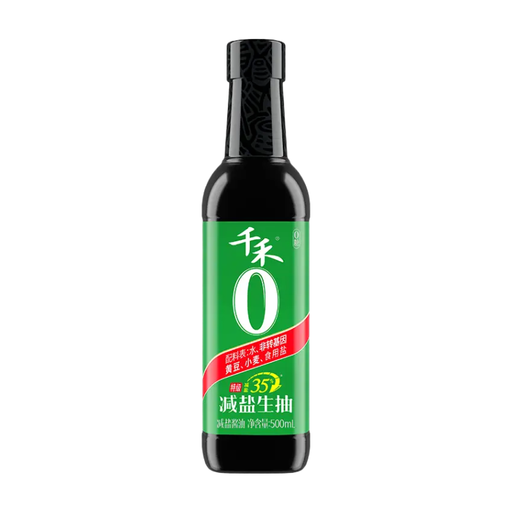
Qian He 35% Reduced Salt Light Soy Sauce 500ml
- Key Feature: This light soy sauce boasts 35% less salt than classic versions without sacrificing umami flavour. The Qianhe brand relies on a minimalist ingredients list (water, non-GMO soybeans, wheat, salt, sugar) and a natural fermentation process that preserves the full richness of its aromas.
- What We Love: Its reduced sodium content and its formula free from MSG, colourings, and preservatives. Its amino nitrogen level (≥ 1.0g/100ml) is a sign of high-quality fermentation.
- Who is it for? Those monitoring their salt intake, families (with moderation for younger children), and anyone looking for a more subtle salted soy sauce.
For the Purists: Chubang Zero Additives Premium Fresh Light Soy Sauce 410ml
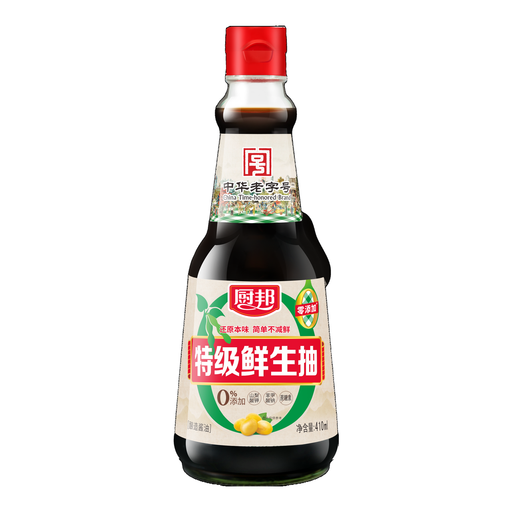
Chubang Zero Additives Premium Fresh Light Soy Sauce 410ml
- Key Feature: The name says it all: this soy sauce proudly claims its "zero additive" composition. Made from five natural ingredients, it is free from preservatives, colourings, and flavour enhancers, delivering a pure and authentic taste.
- What We Love: Its ultra-short ingredients list and its fresh, balanced flavour that enhances dishes without ever overpowering them. A reliable choice from the highly-regarded Chubang brand.
- Who is it for? Purists in search of an additive-free soy sauce with a clean and natural flavour profile.
The International Benchmark: LEE KUM KEE Premium Light Soy Sauce 500ml
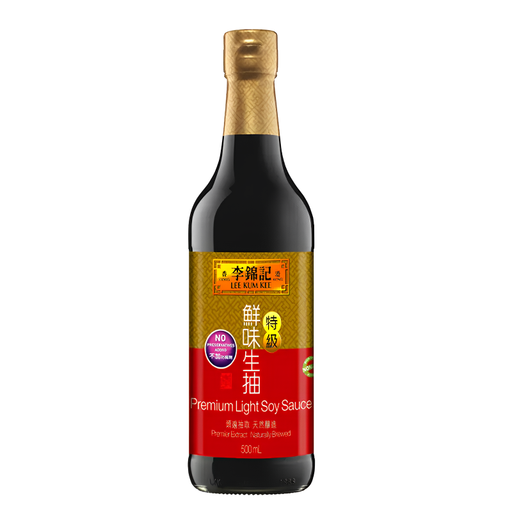
LEE KUM KEE Premium Light Soy Sauce 500ml
- Key Feature: Lee Kum Kee is an institution, an iconic brand with over a century of history. This premium version is made from the natural fermentation of defatted, non-GMO soybeans. It delivers an intense soy aroma and a pronounced umami flavour, the brand's signature.
- What We Love: Its impeccable quality and its world-renowned flavour. Extremely versatile, it's the perfect foundation for any Asian dish.
- Who is it for? Those who favour benchmark brands and are looking for a must-have Asian seasoning that is equally at home in everyday cooking and more sophisticated recipes.
The Value Size: Chubang Supreme Light Soy Sauce 1.63L
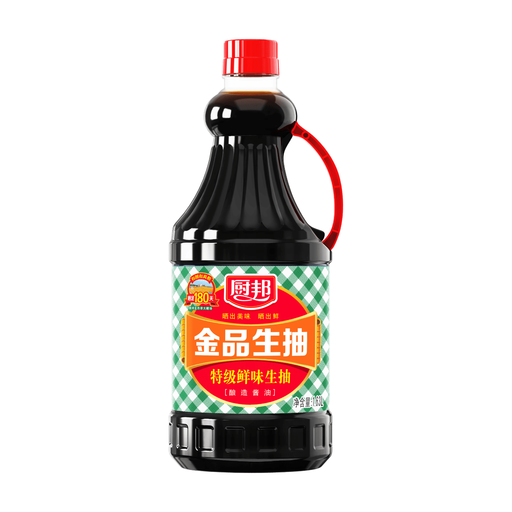
Chubang Supreme Light Soy Sauce 1.63L
- Key Feature: This generous 1.63-litre format offers unbeatable value for money. It is a superior-quality light soy sauce, brewed from whole soybeans, which provides a rich and deep umami flavour.
- What We Love: Its ultra-economical size for heavy use. Its versatility makes it a kitchen staple for stir-fries, marinades, soups, and sauces.
- Who is it for? Avid cooks, large families, or professionals who need a stock of quality soy sauce without breaking the bank.
Looking for Other Options?
Light soy sauce is a great starting point, but the world of Asian condiments is endless. Want to explore other flavours, discover more specialised sauces, or diversify your palate? Feel free to browse our complete selection.
? Discover our full range of light dressings and seasonings.
Frequently Asked Questions about Light Soy Sauce
What is the difference between light soy sauce and dark soy sauce?
Light soy sauce (生抽, shēng chōu) is thinner, paler, and saltier. It is used to season and add umami flavour. In contrast, dark soy sauce (老抽, lǎo chōu) is aged longer, often with molasses. It is therefore thicker, darker, and less salty, with a hint of sweetness. Its main role is to add colour to dishes, such as braised meats.
How should I store light soy sauce after opening?
To best preserve its aromas, store the bottle in the refrigerator once opened, making sure to close the cap tightly to limit oxidation. It will keep for several months (typically 3 to 6 months) without losing its taste qualities.
Can I use Chinese soy sauce in Japanese recipes?
Yes, but be mindful of the nuances. Chinese soy sauce is often more distinctly salty. Japanese shoyu, on the other hand, offers a milder, more complex taste, thanks in part to a generally higher proportion of wheat. For a result faithful to the original recipe, it's best to use the recommended sauce. That said, Chinese light soy sauce is a perfectly acceptable substitute in many cases.


