
Livraison le jour même ou le lendemain

Qualité garantie

Débloquez vos offres de bienvenue: Livraison GRATUITE | Jusqu'à -80 % | 30 jours d'essai gratuits à JoyPlus
Téléchargez l'application
Soy sauce is the salt and pepper of many Asian cuisines. But once you're in the grocery aisle, it can be overwhelming: light, dark, sweet, salty… it's hard to know where to start. To bring that deep, savory umami flavor to your dishes without darkening them, light soy sauce is what you need.
As the Head of the Food & Tech section at Joybuy, my mission is to do the groundwork for you. This guide is designed to help you choose the perfect light soy sauce, whether you're health-conscious, a purist seeking authenticity, or simply looking for an all-purpose staple for your everyday cooking.
Choosing the right bottle can literally transform a dish. Here are a few key criteria to consider before you check out.
Your first reflex should be to look for the shortest possible ingredient list. An additive-free soy sauce is an excellent hallmark of quality. An authentic version contains only the essentials: water, soybeans, wheat, and salt. Natural fermentation takes care of developing the complexity of the aromas. Avoid long ingredient lists packed with flavor enhancers (like monosodium glutamate or MSG), artificial colors, or preservatives. A clean composition is a sign of a product that relies entirely on the quality of its raw materials and masterful craftsmanship.
Soy sauce is, by definition, salty. But for those watching their sodium intake, many brands offer a low-salt soy sauce. These versions are perfect for seasoning generously without sending your sodium levels soaring. To be sure, a quick look at the nutritional panel is a must. A reduced-sodium version typically has around 10-12g of salt per 100ml, compared to 18g or more for classic sauces.
The words "naturally brewed" are a true seal of quality. This guarantees that the sauce has undergone a traditional manufacturing process lasting several months—the time needed to naturally develop a rich and complex umami flavor. This is a feature to look for in a premium soy sauce or an authentic Chinese soy sauce. The result? An incomparable aromatic depth, light-years away from industrial sauces produced chemically in just a few days.
Here are three top picks that meet different needs, selected for their composition and flavor profile.
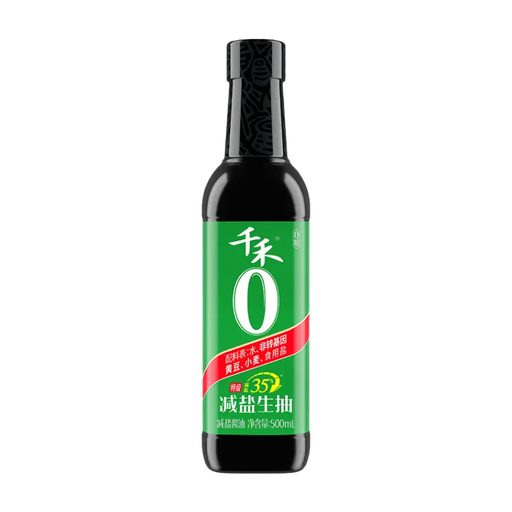
What Sets It Apart
This soy sauce from Qian He is for those who refuse to compromise between flavor and health. It uses an advanced process to reduce salt while, according to the brand, preserving the full intensity of the umami. The ingredient list is exemplary: water, non-GMO soybeans, wheat, salt, and sugar.
Key Features
Who Is It For? Ideal for health-conscious consumers, families (to be used in moderation for children), and anyone looking to manage their salt intake without sacrificing taste.
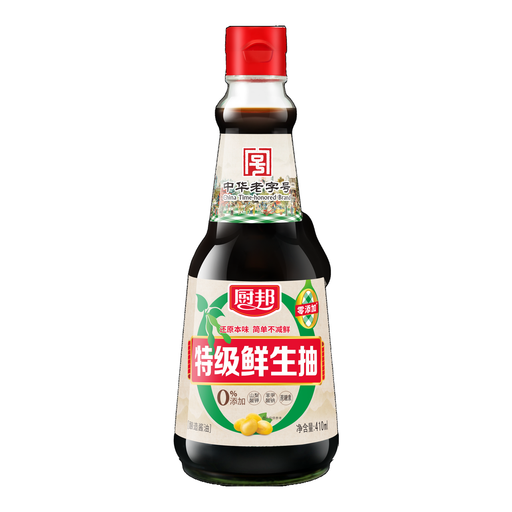
What Sets It Apart
Chubang's promise is crystal clear: "zero additives." This sauce is for purists seeking an authentic, no-frills taste. Made from traditional fermentation, it offers a rich, balanced flavor that enhances dishes without ever overpowering them.
Key Features
Who Is It For? For fans of "clean labels" and cooks who want to experience the true essence of a traditional Chinese soy sauce.
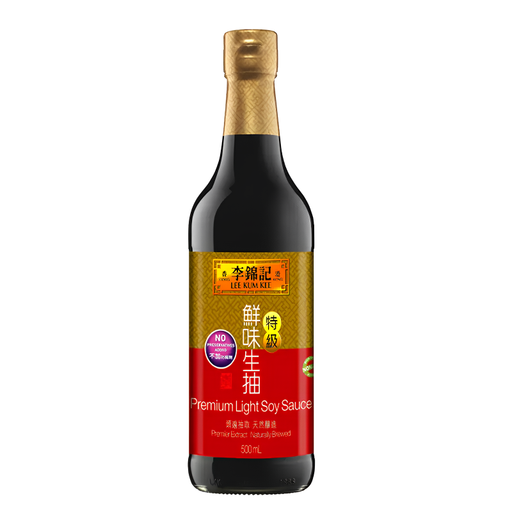
What Sets It Apart
With over a century of history, Lee Kum Kee is an absolute benchmark in the world of Asian seasoning. This premium light soy sauce is a classic found in kitchens worldwide. Its natural fermentation from non-GMO soybeans gives it a rich aroma and a clear, amber color.
Key Features
Who Is It For? This is the ultimate safe bet, the classic choice that pleases everyone. It's suitable for beginners and experts alike who are looking for a reliable sauce for all occasions.
Has our selection whetted your appetite? The world of Asian condiments is vast. To discover other gems, compare brands, or find the perfect size, feel free to browse our complete collection.
? Discover Our Full Range of Light Soy Sauces
1. What is the difference between light soy sauce and dark soy sauce?
Light soy sauce (生抽, shēng chōu) is thinner, paler, and, most importantly, saltier. Its purpose is to season the dish and add umami. It's used during cooking or as a final seasoning. In contrast, dark soy sauce (老抽, lǎo chōu) is thicker and darker. It's less salty and slightly sweet (due to molasses) and is primarily used to color dishes at the end of cooking, giving them a beautiful caramelized hue, as seen in braised meats.
2. How should I store soy sauce after opening it?
To best preserve its flavors, store it in the refrigerator once the bottle is opened. Be sure to close the cap tightly to protect it from oxidation. Stored this way, it will keep perfectly for several months.
3. Can I use light soy sauce in non-Asian dishes?
Absolutely! Light soy sauce is a fantastic universal flavor enhancer thanks to its richness in umami. A few drops can transform a vinaigrette, a barbecue marinade, a vegetable soup, a mushroom pasta dish, or even a beef bourguignon, lending it an unexpected depth.