
Livraison le jour même ou le lendemain

Qualité garantie

Débloquez vos offres de bienvenue: Livraison GRATUITE | Jusqu'à -80 % | 30 jours d'essai gratuits à JoyPlus
Téléchargez l'application
As the owner of a large dog, managing their weight is a constant concern. Even a little extra weight can put significant strain on their joints and overall well-being. The shelves are overflowing with so-called "light" kibble, but how do you make sense of it all? Choosing the right food for an overweight dog isn't as simple as grabbing the first bag with a "light" label. Some products contain hidden pitfalls that can sabotage all your efforts.
This guide breaks down the key points to check before you buy, helping you make the best choice for your companion's health.
Choosing from the pet food aisle can quickly become a headache. Many brands use marketing claims that don't always reflect the product's true quality. Here are two common traps to avoid.
To choose a low-calorie kibble that actually works, you need to read between the lines on the label and analyse the composition. Here are the three fundamental points to check.
This is the first indicator to examine closely. A light formula for a large adult dog should ideally contain a crude fat content between 9% and 12%. A lower percentage may be necessary for significant weight loss, often found in veterinary-grade formulas. Above 14%, the product is generally considered standard and therefore unsuitable for a weight loss goal.
To preserve muscle mass during the diet, the crude protein content must be sufficient, typically above 25%. Prioritise high-quality animal protein sources (chicken, lamb, fish) that appear at the top of the ingredients list. They are more digestible and provide the essential amino acids needed to maintain muscle.
Certain ingredients can make a real difference in a weight management formula:
Every dog is unique. Here are a few options we recommend, selected to meet the needs of different medium and large breed dogs.
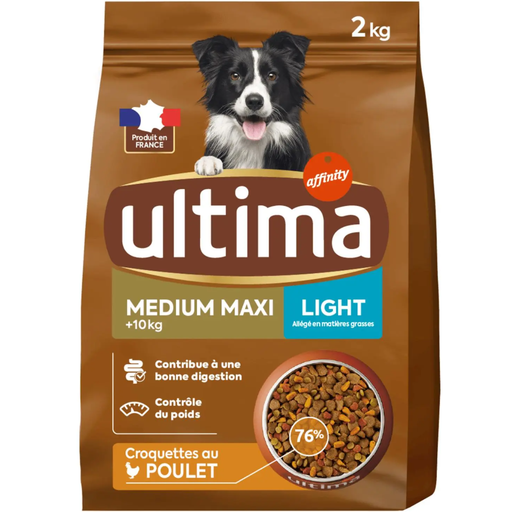
Why we recommend it: This formula is specifically designed for dogs over 10 kg who are prone to weight gain. It's a complete and accessible solution for gradual weight loss or maintaining a healthy weight, especially after neutering.
Its recipe goes beyond just a "light" label. It contains 30% less fat than the brand's standard version, a protein level of 26.5%, and L-carnitine to preserve muscle.
A balanced formula with a controlled fat content (11.5%). The kibble size is well-suited for the jaws of large dogs.
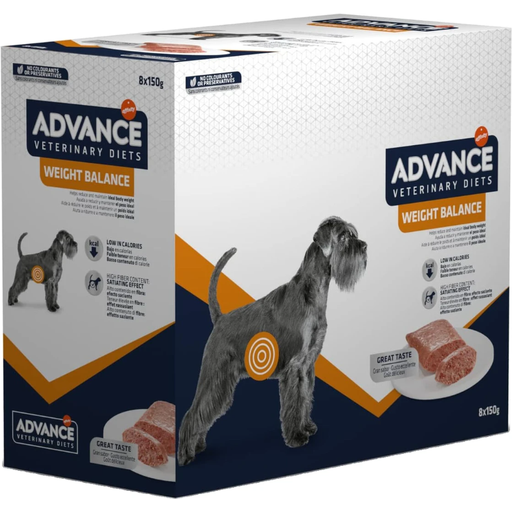
Why we recommend it: This is a complete dietetic wet food formulated to reduce excess weight. Its very low calorie content makes it a leading solution for dogs needing significant weight loss, often under veterinary supervision.
This dietetic formula makes no compromises: it has an extremely low fat content (2.3%) while maintaining a high protein level (10.5%) to protect muscle mass during the diet.
A highly targeted formula with low energy density. Its high fibre content (2.2%) promotes satiety. Can be used alone or for mixed feeding (combined with kibble).
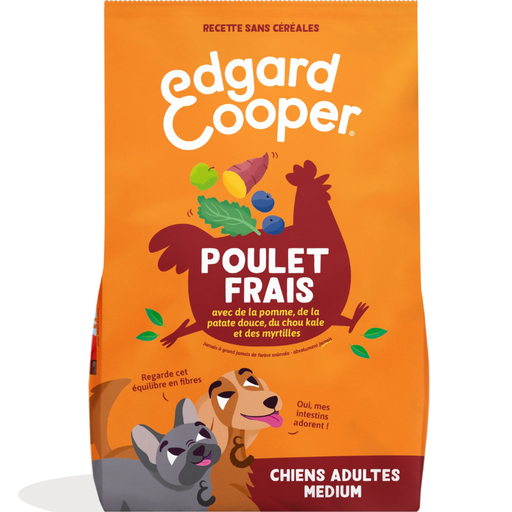
Why we recommend it: For owners of active dogs looking to maintain a healthy weight with a premium, grain-free diet. The focus here is on the quality of ingredients rather than drastic calorie restriction.
It avoids the trap of low-nutrition "light" foods by focusing on 40% fresh chicken. The grain-free, high-protein (25%) formula supports healthy muscle mass, which is essential for an efficient metabolism.
High fresh meat content, grain-free. The recipe includes prebiotics (MOS and FOS) for gut health, as well as fruits and vegetables for a vitamin boost.
We have curated a full selection of products that meet these strict criteria and European regulations.
The amount depends on their target weight, activity level, and individual metabolism. To start, follow the recommendations on the packaging, basing the portion on your dog's ideal weight, not their current weight. Weigh your dog regularly (about every 2 weeks) and adjust the portion as needed. If in doubt, your vet's advice is essential.
Yes, and it's actually essential. A gradual food transition over 7 to 10 days is crucial to allow your dog's digestive system to adjust smoothly. Start with a mix of 25% new food and 75% old food, then gradually increase the proportion of the new kibble until it's fully replaced.
Absolutely. Neutering causes hormonal changes that can slow down metabolism and increase appetite, creating a prime environment for weight gain. A light diet, with controlled fat content and high fibre, is therefore an excellent solution for maintaining a healthy weight after the procedure.