You’re mainly comparing fat content
To choose between similar frozen pizzas, check the fat content per 100 g rather than the size of the box. A recipe with less fat than another isn’t automatically “low fat”.


When choosing a less fatty frozen pizza for your first food shop, compare the fat content per 100 g of similar recipes, then check saturated fat, salt, ingredients and allergens. A lower fat content than another pizza does not mean the product can be labelled “low fat”; the format and cooking method meet different needs.
To choose between similar frozen pizzas, check the fat content per 100 g rather than the size of the box. A recipe with less fat than another isn’t automatically “low fat”.
When doing your first food shop, the Nutri-Score on the pack can help you compare pizzas from the same aisle. As Manger Bouger points out, the nutrition table also lets you check fat, saturated fat and salt per 100 g.
A mini format or a pizza designed for a particular appliance may suit your practical needs. Check the cooking instructions and fat content per 100 g separately: convenience doesn’t tell you how much fat the pizza contains.
For your first food shop, start with any requirements that might rule out a recipe, such as its ingredients and the cooking equipment you have available. Then compare the nutrition information per 100 g of pizzas that suit your meal.
| Criteria | What to check | Who it matters to |
|---|---|---|
| Fat content | Fat per 100 g in similar pizzas, followed by saturated fat. | I want to compare recipes by their stated fat content first, without confusing a difference between products with a “low fat” claim. Around 36% of consumers might make this their top priority. |
| Overall nutrition information | Salt and saturated fat per 100 g; the Nutri-Score, if shown, across pizzas in the same aisle. | One figure isn’t enough to help me choose a meal: I also want to look at the other numbers on the label. This could be the top priority for around 29% of consumers. |
| Ingredients and allergens | The ingredients list and allergens for the exact recipe on the packaging. | If there are ingredients I need to avoid, I should identify them before comparing the other criteria. Around 21% of consumers might prioritise this check. |
| Format and cooking method | Weight, recommended portions and the cooking method that suits your appliance. | If I have limited equipment or I’m cooking for one, I’ll first look for a format and preparation method that suit me. This could be the main consideration for around 14% of consumers. |
Comparing the nutrition values of two pizzas isn’t enough to establish that a pizza can carry a “low fat” claim. Nutrition claims are governed by European Regulation (EC) No 1924/2006.
Compare values per 100 g based on what matters to you, and reserve the term “low fat” for products whose packaging actually carries that claim.
A smaller box doesn’t mean the pizza contains less fat. Total weight and values per 100 g answer two different questions: how much you’re buying and what the recipe contains.
Compare the fat content per 100 g first, then choose a format that suits the meal you have planned.
Carrefour’s product listing for Buitoni Pizza Air Fryer Salami stated 10,6 g of fat per 100 g, compared with 6,6 g for Carrefour Sensation Soft Royale Pizza. These figures relate to two specific recipes, not their entire ranges.
Check the cooking method, format and nutrition information for your chosen pizza separately.
Choosing a frozen pizza also means thinking about how you’ll transport and store it. The DGCCRF advises keeping the time between buying frozen food and getting home to a minimum, and recommends using an insulated bag.
Pick up frozen food at the end of your shop, get home promptly and follow the storage instructions on the packaging.
Frozen pizzas from the Carrefour Sensation, Carrefour Bio and Carrefour Extra ranges offer examples of recipes whose nutrition values can be compared per 100 g.
The Ristorante range includes a Tuna Pizza, for which Carrefour’s product listing provides a comparison figure.
Buitoni offers products including a Pizza Air Fryer Salami and Piccolinis mini pizzas, two formats to consider depending on the meal and appliance you plan to use.
These products let you explore different recipes and formats for your first food shop. To choose based on fat content, compare the per-100 g values on the packaging of each variant, then check the ingredients, allergens and cooking instructions.
 Image unavailable
If you’re looking for a vegetable pizza for your first food shop, this 385 g option could be worth comparing. Check its nutrition information per 100 g and the cooking instructions on the packaging.
 Image unavailable
The mini format may suit you if you’d like to serve the meal in smaller portions. The pack weighs 270 g; check the ingredients and nutrition values per 100 g on the packaging.
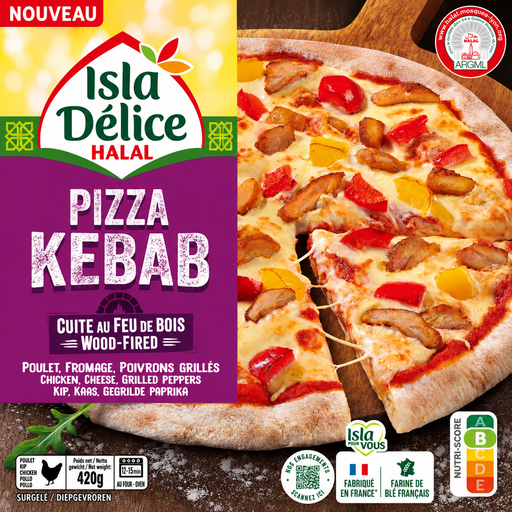 Image unavailable
If this topping suits you, consider whether the 440 g format is right for your meal before comparing recipes. Check the fat per 100 g, as well as the ingredients list and allergens for the variant you buy.
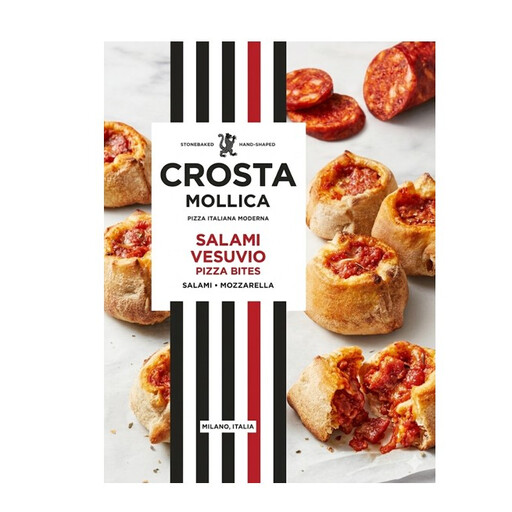 Image unavailable
These mini salami pizzas offer another format to help you plan portions. The pack weighs 270 g; check the fat, saturated fat and salt per 100 g on the packaging.
No: a difference between the fat content of two pizzas isn’t enough to substantiate this claim. If you’re looking for a pizza labelled “low fat”, check that the wording appears on the packaging of the exact product; otherwise, simply compare the values per 100 g.
If you’re looking for a less fatty pizza, start by comparing the fat per 100 g in similar recipes, then check saturated fat and salt on the same basis. Manger Bouger lists these among the nutrition information for pre-packed products; the pizza’s total weight can then help you judge whether it’s the right amount for your meal.
No: the Nutri-Score shown on the pack can help you compare pizzas in the same aisle, but it doesn’t tell you on its own how much fat the pizza contains. Check the nutrition table and ingredients list for the specific recipe too.
Check the ingredients list and allergen information on the packaging of the exact variant. Don’t rely on the pizza’s name or Nutri-Score alone to work out what it contains.
Pick them up at the end of your shop, keep transport time to a minimum and preferably use an insulated bag, as the DGCCRF advises. Put them in the freezer promptly and follow the storage instructions on the packaging.