
Livraison le jour même ou le lendemain

Qualité garantie

Débloquez vos offres de bienvenue: Livraison GRATUITE | Jusqu'à -80 % | 30 jours d'essai gratuits à JoyPlus
Téléchargez l'application
Choosing a lemonade might seem straightforward: a few bubbles, a hint of lemon and a convenient format. Yet a traditional lemonade, a fizzy lemon soda, a fruit drink and a concentrate are not all in the same category. The recipe, sugar content, storage requirements and price per serving can vary significantly.
Before you pop a pack of lemonade into your basket, take a moment to check its ingredients, format and storage instructions. Here are the main pitfalls to avoid, along with a selection of products suited to different needs in the UK.
Just because the word "lemon" appears on the packaging doesn't guarantee a high proportion of juice. Depending on the recipe, the drink may contain lemon juice, juice from concentrate, flavourings or even a blend of fruits.
For example, PAGO Lemon & Lime Drink 0.75 L contains 8.5% lemon and 5% lime, plus orange and grapefruit. Meanwhile, PULCO Lemon Express 700 ml is a concentrate to dilute that contains 35.5% lemon juice from concentrate and 5% lemon pulp. These two products serve different purposes: one is ready to drink, the other needs preparing.
A low-calorie lemonade may contain sweeteners, while a recipe without sweeteners can still have a significant amount of sugar. To compare products properly, check the nutritional table per 100 ml, rather than stopping at the claims on the front of the pack.
For reference:
The sweeteners used also vary: sucralose, acesulfame K, aspartame or other approved substances. If you are sensitive to certain ingredients, the label deserves a careful read. Schweppes Lemon, for instance, mentions a source of phenylalanine due to the presence of aspartame.
A 1.5-litre bottle is handy for sharing, but it usually needs to be refrigerated after opening and consumed within the time stated on the packaging. 33 cl cans are better suited to an individual meal, a picnic or an event. However, a pack can quickly add up to a significant total volume.
Before ordering, estimate how many people will be drinking and how often. For an occasional aperitif, six cans may be plenty. For a family or a gathering, a pack of 12 cans — or more — saves you from placing multiple orders.
If you're after a pronounced lemon flavour, check the proportion of juice or concentrate in the ingredients list. Some recipes also rely on combinations with strawberry, raspberry or red berries:
Always compare the values per 100 ml, then scale them up to the amount you actually drink. A 330 ml can contains three times the values shown per 100 ml.
For a classic sugary recipe, OGEU Lemonade has 7.4 g of sugars per 100 ml. Among recipes with sweeteners, Don Simon and Schweppes have between 4.2 and 4.3 g of sugars per 100 ml, depending on the variant. A sugar-free lemonade like CALYPSO Berry Bloom may suit those looking to reduce their sugar intake, while still enjoying a flavour achieved through sweeteners.
A 1.5-litre plastic bottle fits easily in the fridge, while cans are portable and can be served straight away. Also check the instructions after opening:
The information on the packaging remains the reference, especially for storage and for recycling bottles and cans.
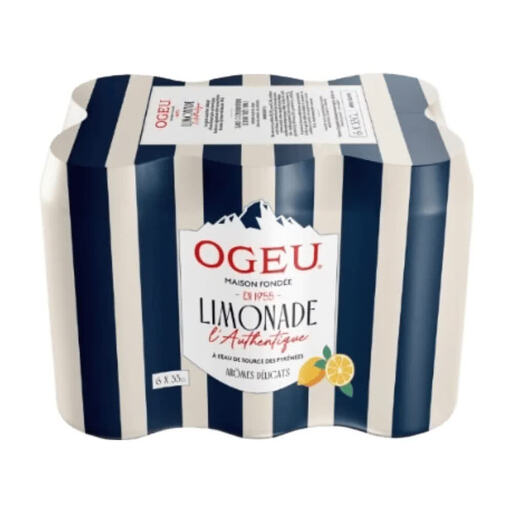
Why this choice suits this profile: With its six cans, this pack lets you try a fizzy lemonade without committing to a huge stock. It works for everyday meals and small occasions alike.
The total volume of 1.98 litres is clearly stated, making it easy to compare with a family-sized bottle.
Sparkling spring water, natural lemon and orange flavourings, 30 kcal and 7.4 g of sugars per 100 ml.
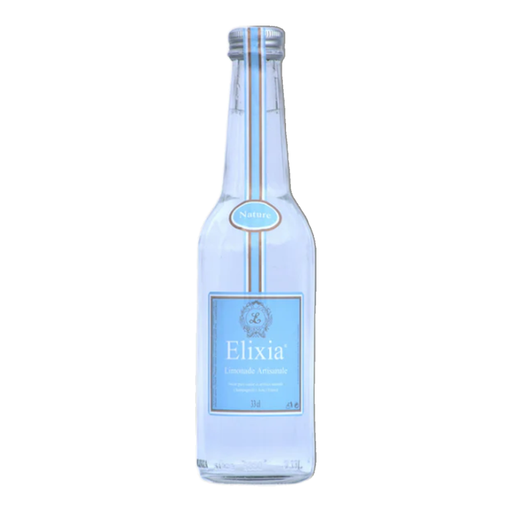
Why this choice suits this profile: Its small format, in glass or bottle depending on the available packaging, works well with a special meal or a non-alcoholic aperitif.
The recipe and nutritional values are detailed: carbonated water, cane sugar, 31 kcal and 7.2 g of sugars per 100 ml.
The lemon flavour is clearly stated, with no artificial colours or preservatives according to the product sheet.
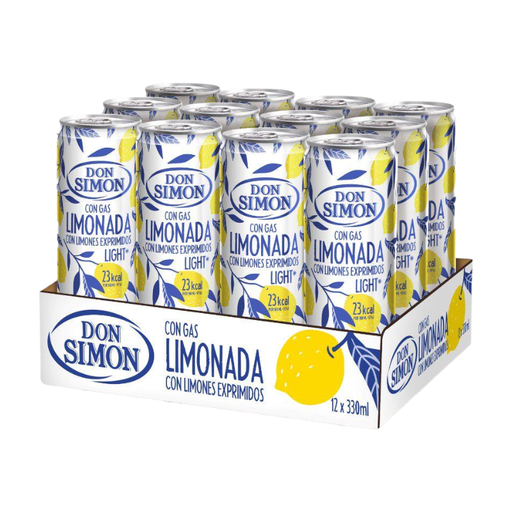
Why this choice suits this profile: With its 12 cans, this pack is ideal for family meals, events and households that like to have a refreshing drink on hand at all times.
The total volume and number of cans are clearly stated. The drink can be served straight or over ice.
15% lemon juice, 23 kcal and 5.6 g of sugars per 100 ml, with vitamin C mentioned on the product sheet.
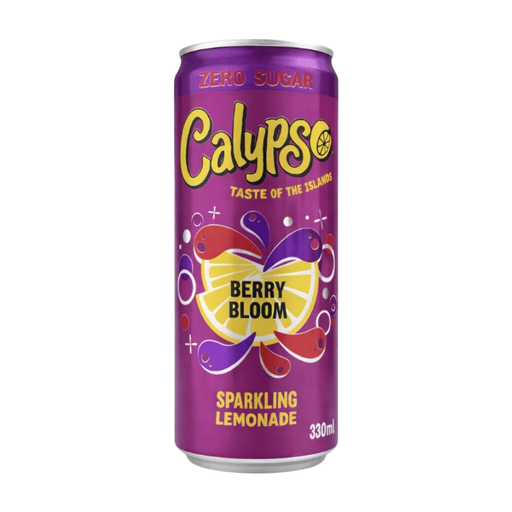
Why this choice suits this profile: This can combines a lemon base with red berry notes and has a sugar-free recipe, in a format designed for individual consumption.
The energy value and sugar content are given per 100 ml: 2 kcal and 0 g of sugars according to the product sheet.
330 ml format, fine bubbles and sweeteners — acesulfame K and sucralose — clearly listed in the ingredients.
We've put together a comprehensive, real-time updated list of products that meet these strict selection criteria and comply with European safety regulations.
Lemonade is generally a fizzy drink made from water, sugar or sweeteners, with a hint of lemon. The term "lemon soda" is broader and can refer to recipes containing different flavourings, juices or fruit blends. To know the actual composition, check the ingredients list.
Follow the manufacturer's instructions. Most ready-to-drink beverages are best kept in the fridge after opening and should be consumed quickly. A concentrate like PULCO should be diluted according to the recommended proportions, then stored in a cool, dry place.
For a birthday, family meal or aperitif, packs of 12 x 33 cl cans make serving and portion calculations easy. For a drink to share at the table, a 1.5-litre bottle may be more practical. Before ordering, compare the total volume, sugar content and available fridge space.