
Livraison le jour même ou le lendemain

Qualité garantie

Débloquez vos offres de bienvenue: Livraison GRATUITE | Jusqu'à -80 % | 30 jours d'essai gratuits à JoyPlus
Téléchargez l'application
Choosing a lemonade might seem simple: a bottle, some bubbles and a hint of lemon. In reality, a ready-to-drink fizzy beverage, a citrus concentrate, a lemon soda or an organic lemonade all serve different needs. The sugar content, the format and the ingredients have a direct impact on taste, the cost per glass and how long it keeps.
Before you fill your basket, watch out for three common pitfalls:
A classic lemonade is usually a ready-to-serve fizzy drink. You drink it chilled, straight from the can or bottle. Because the dilution is already done, it's easier to compare different brands.
A concentrate like PULCO Orange & Lemon Concentrate 700 ml is mixed with water, depending on how strong you want it. Its recipe contains 46% juice from concentrates, including 25% lemon and 21% orange, plus 4% lemon pulp. According to the product information, it contains no sweeteners, artificial colours or preservatives. Once opened, it must be kept in the fridge and used within the time stated on the packaging.
Lemon syrup works differently. Teisseire Les Classiques Lemon Syrup 60 cl is designed to be mixed with still or sparkling water. Its description states 20% lemon juice from concentrate and gives a recommended dilution ratio. Syrup offers plenty of flexibility in preparation, but its sugar content is high if consumed undiluted.
For regular consumption, compare the values per 100 ml, then work them out for the actual volume you drink. A 33 cl can contains three times the amount shown per 100 ml.
Here are some benchmarks from the product descriptions:
A low-calorie lemonade isn't necessarily sugar-free. If you're looking for a recipe without sweeteners, remember to check for them in the ingredients list too.
Cans of 25 to 33 cl help you control your portions and are easy to fit in the fridge. A pack of 6 or 12 cans cuts down on repeat shopping trips, especially for a family or a party.
Storage instructions after opening vary by product:
Also check the best-before date, the country of origin, any allergens and the storage instructions on the packaging. These details are more reliable than marketing promises.
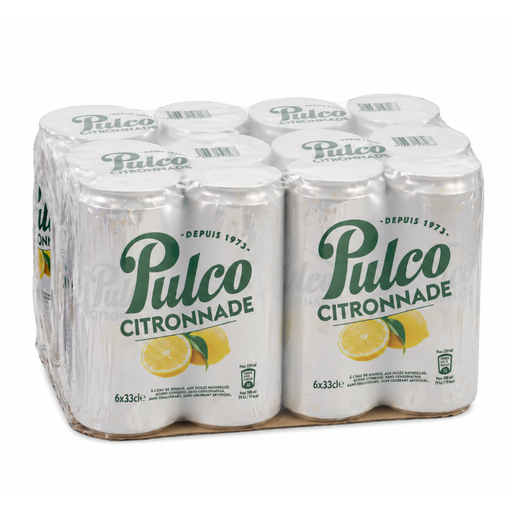
Why this choice suits this profile: This ready-to-drink format saves you from working out dilution ratios and gives you 12 cans of 33 cl for meals, snacks or when guests pop round.
The volume and dilution are clearly defined: you're not paying for a concentrate thinking you're buying several litres of ready-to-drink.
21 kcal per 100 ml, 9% lemon juice from concentrate and 0.7% pulp; recipe said to be free from colours and sweeteners.
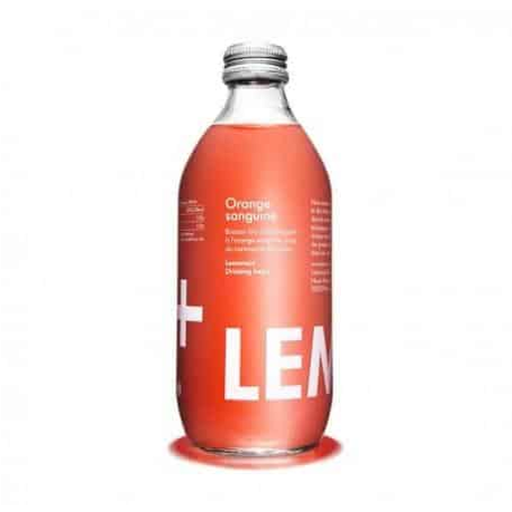
Why this choice suits this profile: This organic lemonade is aimed at those looking for a fruity drink with a detailed ingredients list, featuring fair-trade ingredients according to the product description.
The organic label isn't everything: the description details the juices used, the absence of artificial additives and the nutritional values per bottle.
33 cl format, 30 kcal per 100 ml, 6% blood orange juice and a recipe said to be free from sweeteners and artificial flavours.
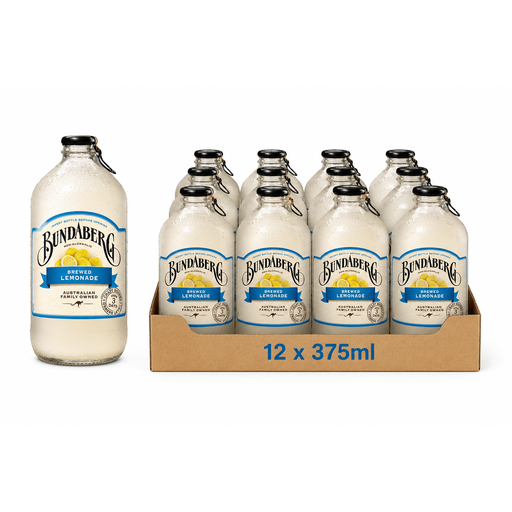
Why this choice suits this profile: This pack of 12 bottles is ideal for parties, fans of bold lemon flavours and households that want to stock up.
The total volume of 4.5 litres is clearly stated. You can easily compare the price per litre and plan the storage space you'll need.
37.5 cl bottles, 5% lemon juice from concentrate, 4.5% fermented lemon concentrate and a resealable cap.
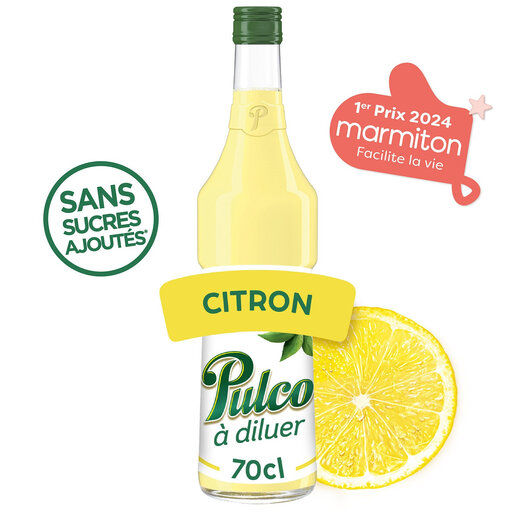
Why this choice suits this profile: This concentrate is ideal for those who switch between still water, sparkling water, non-alcoholic cocktails and desserts, with an adjustable strength.
The description clearly states that the product needs diluting: you won't compare it directly to a ready-to-drink can.
35.5% lemon juice and 4.5% orange juice from concentrates, 5% lemon pulps and 0.8 g of sugar per 100 ml of product.
We've put together a comprehensive, real-time selection of products that meet these exacting standards and European safety regulations.
Lemonade is already mixed and carbonated. Lemon syrup is a sweetened concentrate that you dilute with water. It lets you adjust the strength of the flavour and the amount you make, but you need to follow the recommended dilution to compare nutritional values properly.
Start by checking the kcal and sugar per 100 ml, then work these out for the actual volume you drink. Also check whether any sweeteners are present. A concentrate may show few calories per 100 ml, but the final intake will depend on how much you use and the dilution ratio.
An opened can should be drunk quickly to keep its fizz. For a concentrate or syrup, follow the instructions on the packaging and put the bottle in the fridge if recommended. The date on the product usually applies to the unopened packaging.