
Livraison le jour même ou le lendemain

Qualité garantie

Débloquez vos offres de bienvenue: Livraison GRATUITE | Jusqu'à -80 % | 30 jours d'essai gratuits à JoyPlus
Téléchargez l'application
The lemon drink aisle is a real jungle: between traditional lemonade, sparkling soda, refreshing iced tea, and the new vitamin-infused waters, it's hard to know where to start. Faced with tempting packaging and marketing promises, choosing the right drink to quench your thirst can turn into a real headache.
Our mission at Joybuy is to help you see things more clearly. Together, we'll decipher the labels so you can choose a lemon drink that truly matches your desires, without falling into marketing traps.
The 2 traps to avoid when buying a lemon drink:
To avoid making a mistake, a few key points on the label are all you need. These clues will give you a much clearer idea of what you're about to drink.
This is the number one criterion for lovers of bold flavours. A quality drink will clearly state the percentage of lemon juice (often from concentrate).
The mention of "natural lemon flavourings" is a plus compared to simple "flavourings," but nothing replaces real fruit juice. An artisanal lemonade, for example, will always rely on a short ingredient list and a respectable juice content.
The type of sugar directly impacts the calories and the taste.
The format should suit your habits to avoid waste and maintain maximum freshness.
To help you see how these criteria apply, here are a few options tailored to different consumer profiles.
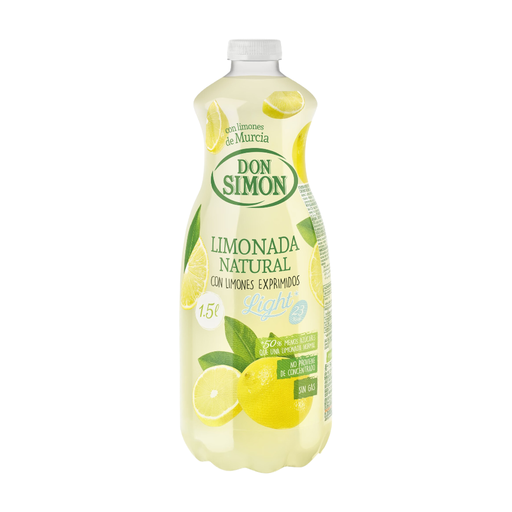
Why we chose it: A family-sized format perfect for meals and snacks. Its balanced, not-too-sweet taste will please both kids and adults, and its reduced sugar content is a plus for regular consumption.
It sidesteps the artificial taste trap with its high lemon juice content (15%), guaranteeing an authentic and tangy flavour.
Excellent value for money in a convenient large format, with a recipe that puts the fruit front and centre.
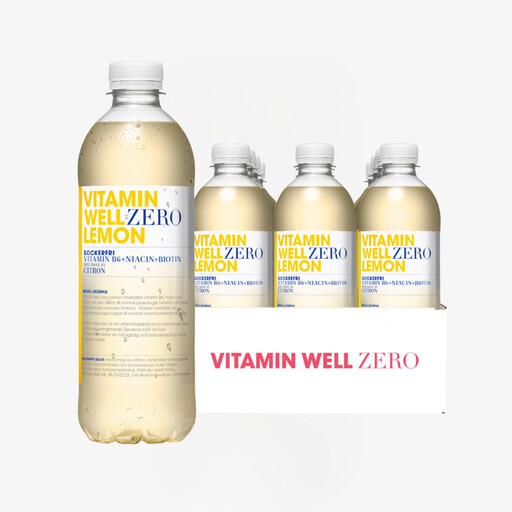
Why we chose it: For those watching their waistline or looking for smart hydration. This vitamin-infused lemon water is sugar-free, calorie-free, and still, making it easy to drink before, during, or after a workout.
It ticks all the "sugar-free" boxes: zero calorie and a transparent composition regarding its use of sweeteners (acesulfame K, sucralose).
Enriched with vitamins (C, D, B12...) and zinc, it goes beyond simple refreshment. The pack format is convenient for stocking up at home.
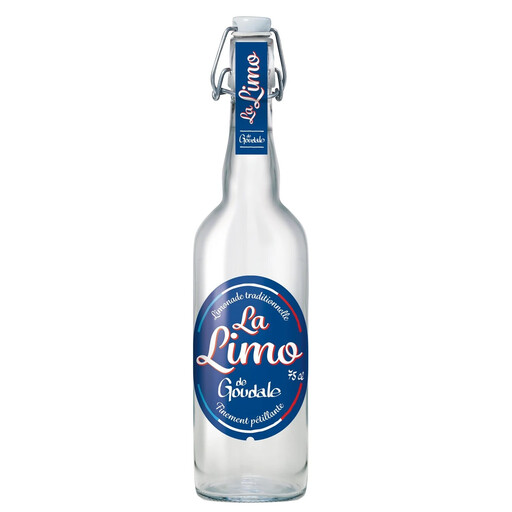
Why we chose it: For those seeking the authentic taste of the artisanal lemonade of our childhood. Its simple recipe and French production make it a safe bet for an aperitif or a delightful snack.
No frills here. The recipe focuses on simplicity with a short, clear ingredient list: carbonated water, sugar, citric acid, and natural lemon flavouring.
A traditional recipe with no additives and a glass bottle with a swing-top cap, which perfectly preserves the bubbles and adds a very nice retro touch.
Explore our complete selection of drinks that meet our quality standards and regulations.
Traditional lemonade is a simple recipe: water, lemon juice, and sugar. A lemon soda, on the other hand, is a more industrial carbonated drink. Its ingredient list is often longer (acidifiers, preservatives, flavourings, sweeteners...) and its fruit juice content is generally lower than in a quality lemonade.
Once opened, a carbonated drink will inevitably lose its fizz. The basic advice: close the bottle tightly and keep it in the fridge. Ideally, consume it within 2 to 3 days to enjoy the bubbles to the fullest. Non-carbonated drinks like lemon iced tea can be stored in the same way.
In almost all cases, yes. A "sugar-free" drink uses sweeteners with very low caloric value. Legislation allows the "zero calorie" claim for products containing less than 4 kcal per 100?ml. A quick look at the nutritional label is the best way to be sure.