
Livraison le jour même ou le lendemain

Qualité garantie

Débloquez vos offres de bienvenue: Livraison GRATUITE | Jusqu'à -80 % | 30 jours d'essai gratuits à JoyPlus
Téléchargez l'application
The beverage aisle can be a real maze. Between a classic sparkling lemonade, an exotic lemon soda, or a seemingly healthier lemon sparkling water, it's hard to know what to choose. The packaging promises freshness and natural ingredients, but the reality is often far less ideal. Before you fill your basket, we'll explain how to sidestep the most common traps and avoid unpleasant surprises.
Here are the 3 points to check to make the right choice:
To make the right choice, rely on these objective criteria rather than marketing slogans.
The taste difference between a drink with 10% fruit juice from concentrate and one made with simple flavourings is night and day. The former will offer a much richer, more authentic flavour. A quick look at the ingredients list is a must: if lemon juice is near the top, that's an excellent sign. In fact, true high-quality artisanal lemonades proudly display this percentage.
The type and amount of sugar are obviously key criteria. There are three main categories:
The world of lemon drinks is vast. A Korean drink in a pouch won't offer the same experience as a Mexican soda in a glass bottle. Also, consider the occasion: for regular consumption or an event, a lemonade multipack will often be more economical and convenient than buying single units.
To guide you, we've selected products that meet very specific profiles and needs.
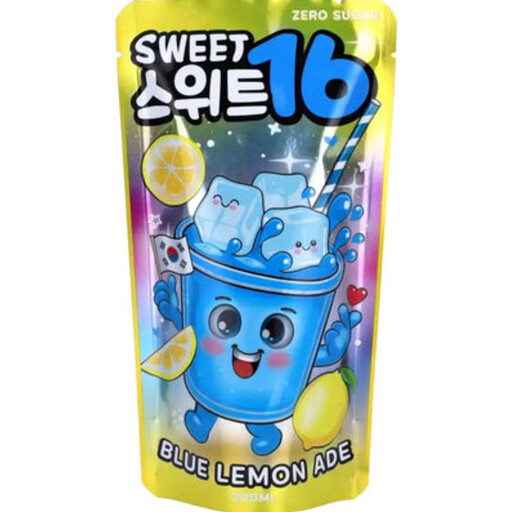
Why we love it: Perfect for those who like to venture off the beaten path. This Korean pouch drink offers a fun experience and an original flavour that's highly popular in Asia. Its on-the-go format is ideal for an impromptu refreshing break.
It sidesteps the hidden sugar trap: this is a zero-sugar drink that maintains an intense taste thanks to the use of sweeteners.
Its zero-sugar formula and ultra-convenient pouch format. Simply pour over ice for the perfect serve.
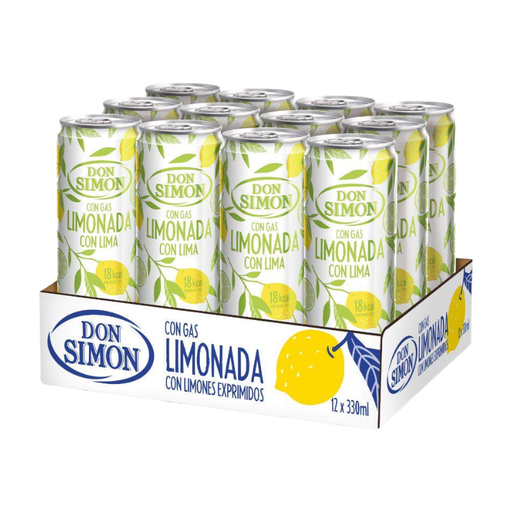
Why we love it: For those who want an everyday treat without compromising their diet. This lemonade combines lemon and lime for an intense taste, all while maintaining a very controlled calorie count. The multipack format is perfect for always having a healthy option on hand.
No unpleasant surprises here: the drink tackles the hidden sugar trap head-on with a low, transparent calorie count (18 kcal/100 ml) and a moderate sugar content.
Its 10% fruit juice content for an authentic taste and its economical and practical 12-pack format.
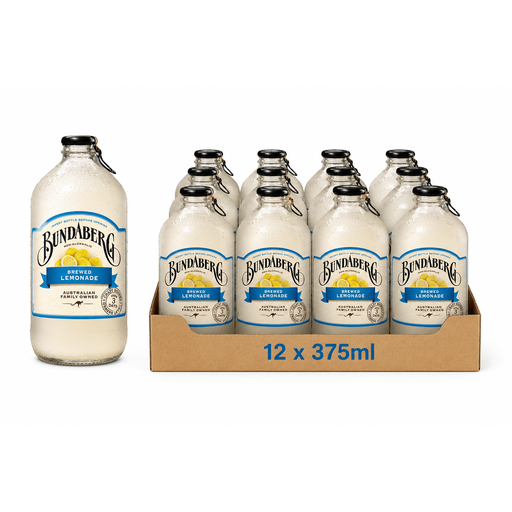
Why we love it: Perfect for purists who appreciate traditional methods and complex flavours. Bundaberg brews its drinks with real ingredients, including fermented lemon juice, which gives them a unique depth not found in industrial sodas.
The brand counters the trend of synthetic flavourings and the misused 'artisanal' label. Here, we're talking about a genuine brewing process with real lemon juice and purée.
A traditionally brewed recipe for a deep, authentic flavour, made with cane sugar and real lemon juice.
We've curated a complete selection of products that tick all the boxes on our checklist.
Historically, lemonade is a simple recipe: lemon juice, water, and sugar. The term lemon soda is broader, referring to a carbonated, flavoured drink that can contain all sorts of additives, flavourings, and sugars. Today, the line has blurred, but a true, high-quality lemonade will always stand out for its high fruit juice content.
To preserve the fizz and freshness, the secret is simple: seal the bottle tightly with its original cap and store it in the refrigerator. Ideally, consume it within 24 to 48 hours. For cans without a resealable top, it's best to finish them in one sitting.
Yes, most 'sugar-free' drinks deliver on their promise, or come very close. They use sweeteners that provide few to no calories, such as erythritol, sucralose, or aspartame. The Sweet16 drink, for example, has only 1 kcal per 100 ml, which is negligible. The best practice: always check the nutritional information to be certain.