
Livraison le jour même ou le lendemain

Qualité garantie

Débloquez vos offres de bienvenue: Livraison GRATUITE | Jusqu'à -80 % | 30 jours d'essai gratuits à JoyPlus
Téléchargez l'application
Overwhelmed by the soy sauce aisle? The choice can quickly become a headache. Light, dark, Japanese-style… Every bottle promises authentic flavour, but which one is truly right for your recipe? For any fan of Asian cuisine, choosing the right condiment is the key to a successful dish. A simple mistake can make or break your meal, leaving it too salty, too dark, or sorely lacking in depth.
This guide is here to help you decode the Lee Kum Kee Soy Sauce range, a brand favoured by countless chefs. We'll explain the differences between the main varieties so you can confidently choose the bottle that will elevate your marinades, stews, and dipping sauces.
To eliminate any hesitation, you just need to understand a few key distinctions. Your choice will depend on three criteria: colour and salinity, cooking style, and, of course, your intended use.
This is THE fundamental distinction in the world of Chinese soy sauce.
Simply put: light for flavour, dark for colour.
Although they share a fermented soybean base, the nuances are significant. Japanese soy sauce, or shoyu, typically includes roasted wheat in its recipe. This gives it a more delicate aroma and a sweeter, less assertive flavour than its Chinese cousin. It is especially popular as a dipping sauce for sushi and sashimi.
Your recipe dictates the choice.
Here are a few gems from the Lee Kum Kee range, each tailored to a specific culinary need.

Why it stands out: It's the secret ingredient for achieving the rich colour and deep flavour of many iconic Chinese dishes.
Benefits:
Who is it for? Essential for braised dishes (like hong shao pork), stews, and marinades that require a deep colour and robust flavour.
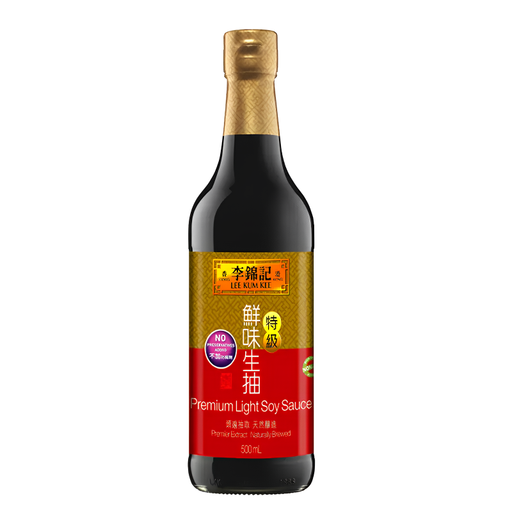
Why it stands out: This is the Swiss army knife of Asian cooking, the ultimate all-rounder.
Benefits:
Who is it for? For all cooks, from beginners to experts, looking for a reliable, high-quality, everyday Asian seasoning.
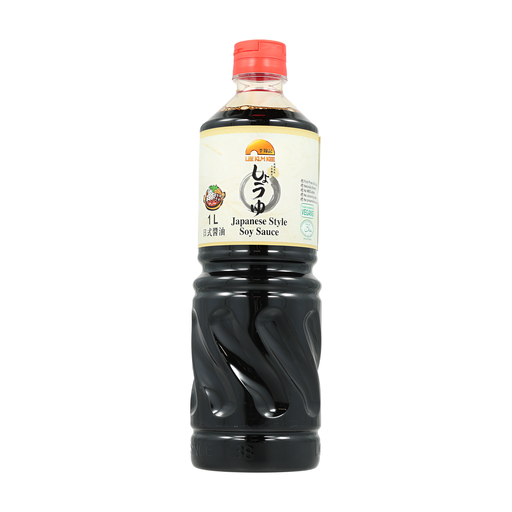
Why it stands out: The milder, more delicate alternative, inspired by Japanese shoyu. Ideal when subtlety is key.
Benefits:
Who is it for? For lovers of Japanese cuisine, sushi fans, or anyone who prefers a less intense soy sauce for their dressings and delicate dishes.
Does your culinary exploration go beyond soy sauce? Are you looking for products with specific certifications? A wide range of seasonings awaits you. Sesame oils, chilli sauces, rice vinegars... each condiment plays a key role in creating authentic and complex flavours.
Discover our range of halal seasonings
Light soy sauce is thinner and saltier; it's used to season and add umami. Dark soy sauce is thicker, darker, and slightly sweet; it's primarily used to add colour to dishes (stews, braises) and give them a rich, caramelised flavour.
Yes, but the taste won't be identical. A Japanese-style sauce (shoyu), which is often milder, can replace light soy sauce in dipping sauces or dressings. However, for Chinese braised dishes that require the colour and richness of dark soy sauce, substitution is not recommended.
Store the bottle in a cool, dry place, away from light. Once opened, close it tightly. For light soy sauces, it is even recommended to refrigerate after opening to preserve its full flavour, as indicated on the label.