
Livraison le jour même ou le lendemain

Qualité garantie

Débloquez vos offres de bienvenue: Livraison GRATUITE | Jusqu'à -80 % | 30 jours d'essai gratuits à JoyPlus
Téléchargez l'application
LED lighting serves very different needs depending on how you plan to use it: improving visibility on an off-road vehicle, creating ambient light inside the cabin, illuminating a kitchen cabinet or setting the mood for a gaming session. Yet product listings often focus on the number of colours or LEDs, when other criteria are far more important.
Before you place an order, three common pitfalls keep cropping up:
Here are the key factors to consider when choosing a solution that suits your home, your vehicle and your habits.
For a car installation, start by checking the rated voltage and the type of connection. An off-road LED light bar designed to run on 12 V or 24 V doesn’t plug in the same way as a USB lamp intended for cabinet lighting. The circuit must be protected against short circuits, with suitable cables and a robust enough mounting system.
A light bar fitted to the roof, grille or bumper must also comply with the rules for road use. Work light, daytime running light or signalling functions cannot be used freely: check their compliance and authorisation for your vehicle before fitting.
At home, a rechargeable LED bulb or a USB lamp gives you more flexibility. For under-cabinet LED lighting, look at the charging method, battery capacity and how easily the lamp can be removed for maintenance.
The IP rating tells you about resistance to dust and water. An IP67 rating, for example, corresponds to a specific level of protection under the conditions set by the standard, but it doesn’t replace proper installation. For a vehicle exposed to spray, choose a sealed housing, metal brackets and suitable fixings.
In a bedroom, kitchen or living room, the main risks are moisture, heat and impact. Wall-mounted LED panels and decorative accessories should be kept well away from any water source. A rechargeable wall-mounted LED neon light must be fixed with brackets compatible with the wall material: plaster, concrete, brick or wood.
Take measurements before you order. A 30 cm lamp will suit a small cupboard, while a 40 cm model will light a wider area. For automotive lighting, the length of the bar, the space available behind the grille and the beam pattern all play a crucial role.
The control method also deserves some attention:
The term TV QLED 4K 55 inches describes the display technology and screen diagonal, not decorative lighting. If you’re looking for a complete living room setup, also check the connectivity, HDR compatibility, refresh rate and whether a sound bar is included.

Why this choice makes sense: this pack of two lamps fixes without drilling in a kitchen, wardrobe or bedroom. The USB charging is ideal for anyone wanting to install under-cabinet LED lighting without running cables.
The PIR sensor stops the lamp staying on unnecessarily. The built-in 1,100 mAh battery and 5 V charging avoid the hassle of wiring.
Two 30 cm lamps, 41 LEDs per unit, three colour temperatures and a stated detection range of 3 to 5 m.
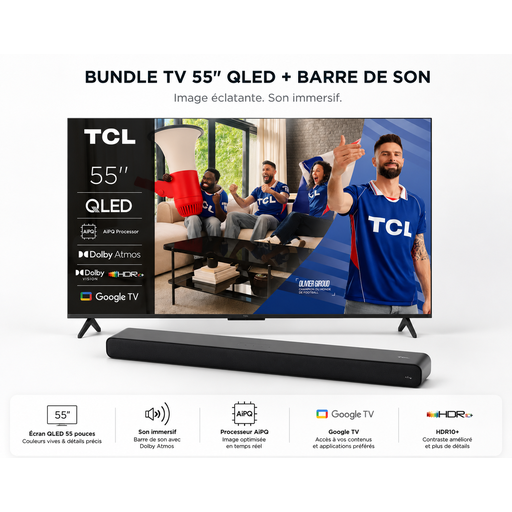
Why this choice makes sense: this solution combines a television, smart features and audio in a living room designed for films, sport or gaming.
The listing mentions three HDMI 2.1 ports, VRR and ALLM – details worth checking rather than stopping at the mere mention of “4K”.
55-inch diagonal, QLED technology, Google TV, Dolby Vision, HDR10+, Wi-Fi, Bluetooth and integrated sound bar.
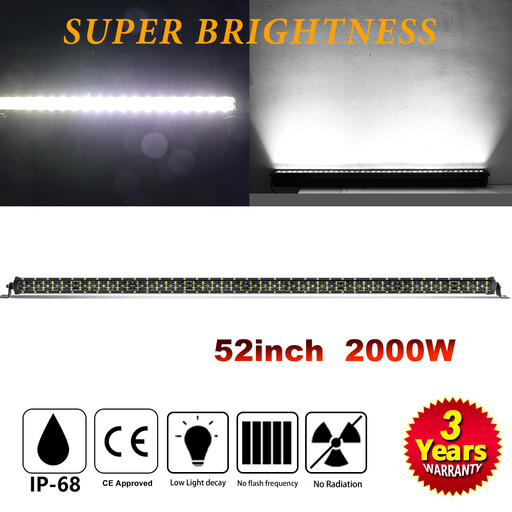
Why this choice makes sense: this bar is aimed at owners of SUVs, ATVs, UTVs, pick-ups or trucks who need automotive LED lighting for trails and off-road work.
The 12/24 V voltage, IP67 rating and side or bottom brackets are clearly stated. You still need to check the wiring and regulations before installation.
Combined beam stated at 100° spread and 30° reach, die-cast aluminium housing and operating temperature from -40 to 85 °C.
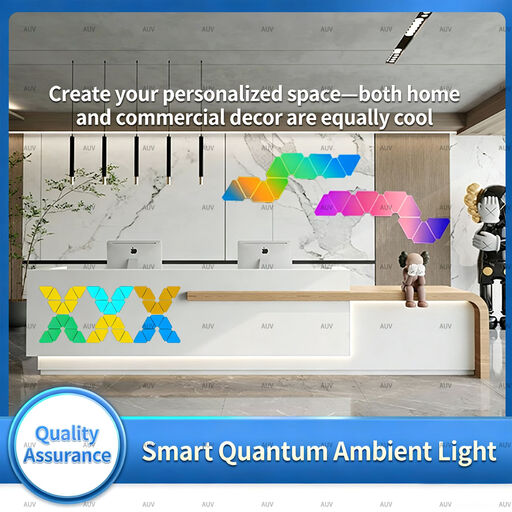
Why this choice makes sense: gamers and decor enthusiasts can create a custom wall arrangement, then control the colours from an app or remote.
Check the number of panels, connectors and adapter before adding more. The manufacturer recommends not exceeding the stated number of modules.
Six triangular panels, up to 16 million colours, over 210 scene modes, timer and music sync.
We’ve put together a full, real-time updated selection of products that meet these demanding criteria as well as European safety standards.
Before you start fitting, test the product with the intended power supply. For an RGB LED strip installed in a car, check the Bluetooth connection, the 12 V voltage and the space available for routing cables. Acrylic fibres must never be bent sharply.
For a wall-mounted LED neon light or LED wall panels, choose fixings suitable for the surface. The USB cable should remain easily accessible and the device must not be exposed to water. In a cupboard, clean the lamp with a dry cloth and regularly check that the adhesive is still holding properly.
Finally, remember to keep the packaging, instructions and accessories. They may come in handy for charging, mounting or any after-sales enquiries.
It only switches on when movement is detected, which generally limits its running time compared with a lamp left on continuously. However, consumption depends on the number of LEDs, the actual power draw and how often it’s triggered. With a battery model, you’ll mainly need to remember to recharge it regularly.
It varies depending on component quality, heat, humidity, frequency of use and power supply stability. Following the stated voltage, not blocking heat sinks and avoiding abrasive cleaning products all help to extend the working life. Where a commercial warranty is offered, it should be distinguished from the theoretical lifespan quoted.
No. Even when a kit is described as universal, check its voltage, dimensions, fixing points and cable routing. On public roads, external lighting effects and certain colours may be regulated by law. An ambient kit intended for the cabin should therefore be installed without obstructing driving or hiding the controls.