
Livraison le jour même ou le lendemain

Qualité garantie

Débloquez vos offres de bienvenue: Livraison GRATUITE | Jusqu'à -80 % | 30 jours d'essai gratuits à JoyPlus
Téléchargez l'application
LED lighting can easily transform the atmosphere of a home, highlight a piece of furniture, or improve visibility in a car. But a well-presented product page doesn’t always guarantee a smart purchase. Advertised wattage, RGB colours, or battery life can hide frustrating limitations in everyday use.
Before choosing an LED lamp, an LED ceiling light, or an LED strip, it’s best to start with your intended use, installation constraints, and technical specifications, rather than being swayed by lighting effects alone.
A power rating of 60 W isn’t enough to determine how much light a product produces. To compare two items, look instead at the luminous flux in lumens (lm). A low-energy lamp can perfectly illuminate a cupboard, while a ceiling light in a living room needs to spread light over a much larger area.
How the light is distributed matters just as much. A beam that’s too narrow can leave certain areas in shadow, even when the stated luminous flux seems sufficient.
RGB LED lighting is ideal for creating a decorative atmosphere in a bedroom or gaming space. However, it doesn’t always replace comfortable white light for reading, cooking, or working. Check for multiple colour temperatures, a dimmer, and a remote control or app that genuinely suits your habits.
An LED strip that’s too short, adhesive that won’t stick to the intended surface, or an awkward battery can turn a promising installation into a real disappointment. For a kitchen, piece of furniture, or hallway, measure the space before ordering. In a damp room, check the IP rating. An IP20 product, for example, is generally designed for dry indoor use and should not be installed near water splashes.
In a living room or bedroom, adjusting the colour temperature lets you switch from functional lighting to a softer ambience. In a kitchen, under-cabinet lighting in neutral or cool white can make meal preparation more comfortable.
A rechargeable USB LED lamp offers flexible installation, but check the battery capacity, the type of port used, and the charging time. Models with a motion sensor are practical in a wardrobe, drawer, or hallway, provided you know the sensor’s range and how long the lamp stays on.
For smart lighting, look at the control methods offered: button, remote control, app, or voice control. A connected LED strip may also require a compatible wireless network and a few extra setup steps.
Measure the available length before ordering an LED strip. For a ceiling light, check the diameter, the height of the fitting, and its compatibility with the existing mount. Adhesive fixing may work on certain clean, smooth surfaces, while screw mounting is often better for a permanent fixture.
For an H7 LED car bulb, check compatibility with your vehicle model, the space inside the headlight, the electrical system, and road traffic regulations. A “plug and play” claim on a product page doesn’t replace checking your vehicle’s manual or verifying the approval applicable in the UK. After installation, also check the beam alignment so you don’t dazzle other road users.
The following products meet different needs. The specifications shown correspond to the information available on the product pages.
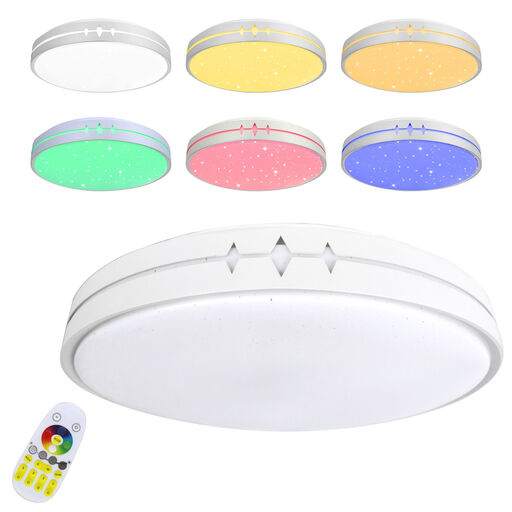
Why this choice suits this profile: This LED ceiling light combines dimming and remote control to illuminate a living room, bedroom, or hallway without needing a host of extra accessories.
The dimming function lets you adapt the lighting to the time of day, rather than being stuck with a single light that’s either too bright or too dim.
Advertised power of 60 W, 50 cm diameter, RGB function and remote control mentioned in the product name.
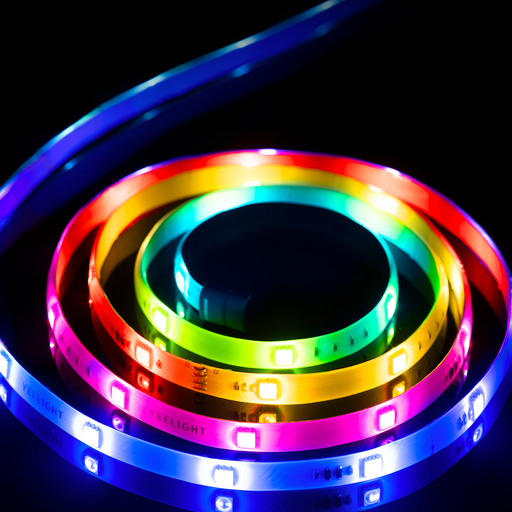
Why this choice suits this profile: This RGBIC LED extension is ideal for decorative installation around a television, desk, or gaming space, with app and voice control.
The extension length and control methods are clearly stated, allowing you to plan the installation and check compatibility with your smart home ecosystem.
RGBIC technology, 1 metre extension, app control and voice control mentioned.
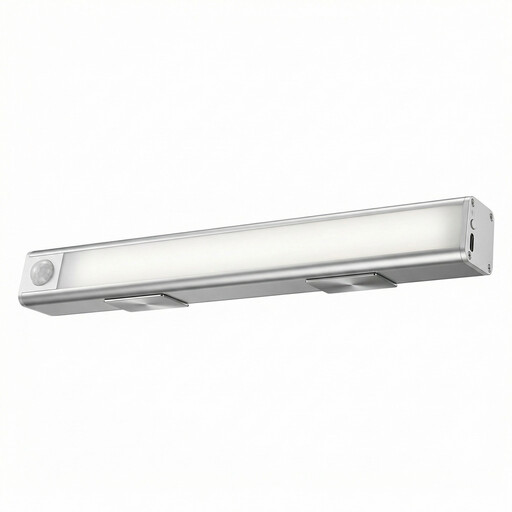
Why this choice suits this profile: This light bar is suitable for cupboards, hallways, kitchens, or campervans when you want an installation without permanent wiring.
The product page specifies the battery life, sensor range — up to 3 m — and the IP20 rating, helping you understand its limitations.
190 lm, 114 LEDs, 450 mAh battery, USB-C charging and magnetic fixing stated in the description.
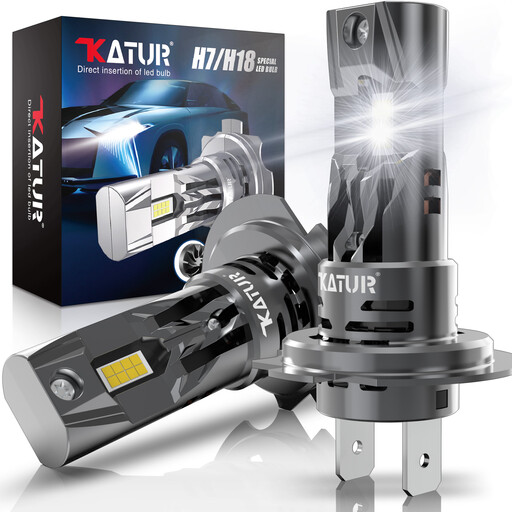
Why this choice suits this profile: This H7 LED car bulb is aimed at drivers who plan a replacement after checking the bulb type, compatibility with their vehicle, and current regulations.
The description provides information on voltage, colour temperature, and dimensions. These details should be compared with your vehicle’s specifications before purchase.
H7 format, DC11–18 V power supply, stated colour temperature of 6,000 K and pack of two bulbs.
We’ve put together a comprehensive, real-time updated selection of products that meet these demanding criteria as well as European safety requirements.
Warm light, typically between 2,700 and 3,200 K, creates a soft, relaxing atmosphere. Neutral light may be better suited to an office or kitchen. For more flexibility, choose an adjustable model rather than a fixed temperature.
It depends on its wattage, how often it’s triggered, and how long it stays on. A sensor that automatically switches the lamp off after a few seconds prevents it from running unnecessarily. For a rechargeable model, pay most attention to the stated battery life and how easy the USB charging is.
The lifespan depends on the quality of the components, the heat generated, the number of hours of use, and the quality of the power supply. Don’t rely on a stated lifespan without checking the conditions under which it was measured. Good ventilation, proper installation, and respecting the IP rating all help to preserve the lighting over time.