
Livraison le jour même ou le lendemain

Qualité garantie

Débloquez vos offres de bienvenue: Livraison GRATUITE | Jusqu'à -80 % | 30 jours d'essai gratuits à JoyPlus
Téléchargez l'application
LEDs have taken over our homes and gardens, promising lower energy bills and record-breaking lifespans. Yet, buying them can quickly become a headache. A bulb that doesn't fit, a pale light that ruins the mood, an outdoor string light that gives up after the first rain... these scenarios are all too common. To help you see things more clearly, our guide breaks down the pitfalls to avoid and the essential criteria to master.
Before you fall for a tempting design or a great deal, keep an eye on these three points. They make all the difference between a successful purchase and a bitter disappointment.
To make the right choice, focus on these few technical specifications. They are your guarantee of a product perfectly suited to your needs.
The base is the part of the bulb that screws into the light fixture. The most common in Europe are:
A simple rule of thumb: always check your fixture's base before you buy. If you want to vary the light intensity, make sure both the LED bulb and your switch are "dimmable" compatible.
These two units are the key to the atmosphere your lighting will create:
The IP rating is a standard that classifies a device's level of protection against solid objects and liquids. For outdoor lighting, an IP44 rating is the absolute minimum. It ensures the product is protected against water splashes from all directions. For more direct exposure to rain or proximity to a water source, an IP65 rating or higher is essential.
To put these principles into practice, here are a few products we've selected, each meeting a specific need.
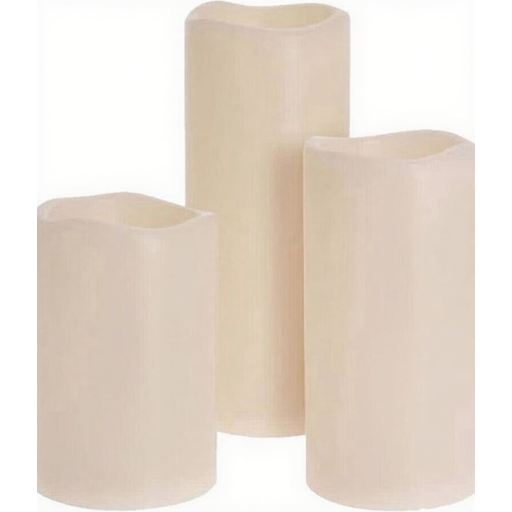
Why we chose it: Ideal for creating a cosy atmosphere without the risks of a real flame. Perfect on a coffee table, a windowsill, or even on the patio during long summer evenings.
The IP44 rating guarantees use outdoors (in a sheltered area), sidestepping the false-durability trap. Since it's battery-operated, you can forget about compatibility issues with bases or voltage.
Its remote lets you control everything: timer, brightness, and even the flicker effect. You have total control over the ambiance.
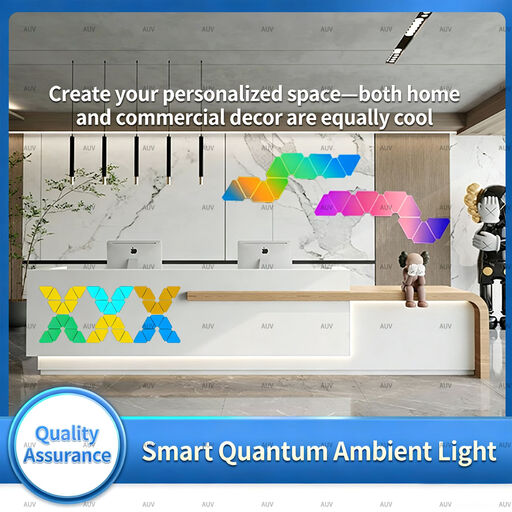
Why we chose it: Essential for customising a gaming setup with dynamic lighting. This LED gaming panel lets you create unique shapes and sync light effects with music or in-game action.
This all-in-one system bypasses all compatibility issues. The mobile app and remote control ensure that the promises of customisation (16 million colours, 210 modes) are delivered.
Its modularity is an invitation to creativity. The panels can be arranged in any configuration to build a 100% unique light wall.
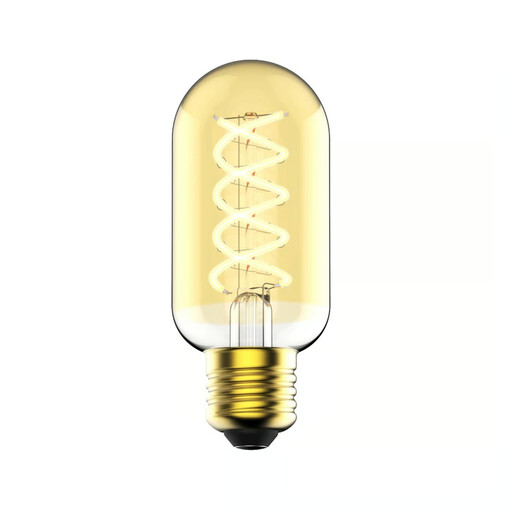
Why we chose it: This vintage bulb is a decorative object in its own right. Its amber glass and spiral filament are perfect for an open-cage designer fixture, where the bulb itself is the star of the show.
Its specifications are crystal clear: E27 base, dimmable function, and an ultra-warm 2200 K colour temperature. This lets you check compatibility in a flash and be sure of the desired ambiance, with no unpleasant surprises.
It combines the charm of an old-fashioned incandescent bulb with the low energy consumption and long life of LED technology.
Whether you're looking for a wall neon for a pop of colour, a night light for a child's room, or a string light for the holidays, these golden rules always apply.
As the holidays approach, choosing the right light decorations is crucial. We've compiled a complete selection of products that meet our quality criteria and safety standards.
Most manufacturers claim between 15,000 and 25,000 hours. In practice, this translates to several years of normal use. Be aware, however, that this longevity can be reduced by poor manufacturing quality, overheating (in a poorly ventilated fixture), or excessively frequent on/off cycles.
Yes, and the difference is dramatic. A 5-watt LED bulb produces as much light as an old 40-watt incandescent bulb. Over a year, the savings on your electricity bill are very real, not to mention far fewer replacements.
For "plug-and-play" products like string lights or solar lamps, there's no problem—anyone can install them. However, for any lighting that requires a connection to the electrical grid (wall sconces, recessed spotlights, etc.), calling a qualified electrician isn't just an option: it's a requirement to ensure a safe and standards-compliant installation.