
Livraison le jour même ou le lendemain

Qualité garantie

Débloquez vos offres de bienvenue: Livraison GRATUITE | Jusqu'à -80 % | 30 jours d'essai gratuits à JoyPlus
Téléchargez l'application
LED lighting has revolutionised our homes. Creating custom ambient light, optimising a workspace, or elevating a gaming setup—the possibilities have become endless. The problem is, the market is saturated, and it's easy to get ripped off, leading to disappointing purchases. As a product manager at Joybuy, my mission is to help you see things more clearly and make a truly informed choice, cutting through the marketing jargon.
Before you start, watch out for these rookie mistakes that can turn a promising project into a real headache.
To avoid falling for the trap, focus on a few key technical specifications. These are the true markers of quality and durability for your future lighting.
CRI (Color Rendering Index) is a score from 0 to 100 that measures a light source's ability to faithfully reproduce colours compared to natural sunlight.
Not all LED strips are created equal. The underlying technology has a direct impact on the uniformity of the light.
How you control your lighting determines your daily convenience.
To help you visualise how these criteria apply, here are a few options tailored to specific needs.
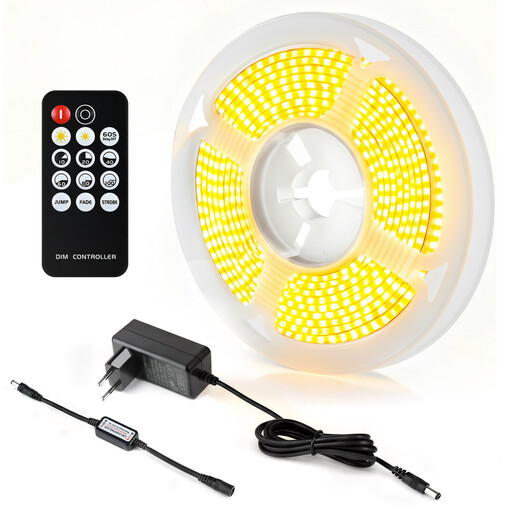
Why this choice? Ideal for those who demand a flawless finish. This strip is perfect for indirect lighting under shelves, in a bookcase, or to accent an architectural feature with soft, perfectly uniform light.
It bypasses raw brightness to focus on high-quality light (CRI 92+) that is perfectly uniform thanks to COB technology. Goodbye to the unsightly "dot" effect.
Professional-grade light quality with ultra-accurate colour rendering. Its RF remote is far more reliable and convenient than a basic infrared model.
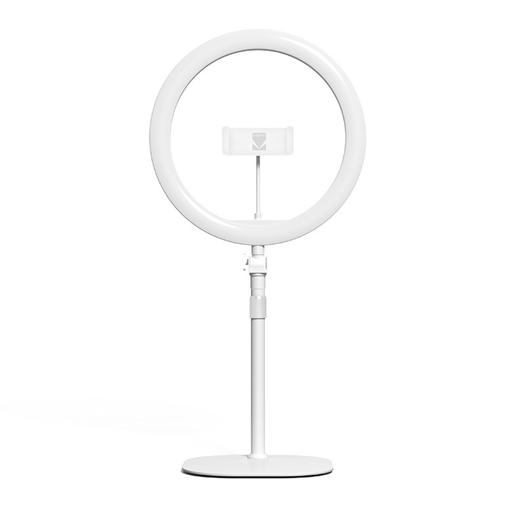
Why this choice? The essential tool for video calls, streaming, or vlogging. This ring light is designed to produce flattering, professional light without you ever leaving your desk.
This is a dedicated solution that meets a specific need: achieving quality lighting on camera. It avoids the "do-it-all" lighting trap by offering a diffuse, adjustable light that eliminates unflattering facial shadows.
Its 120 LEDs and 10-inch (approx. 25 cm) diameter ensure wide, even coverage. The brightness and colour temperature adjustments allow it to adapt to any lighting environment.
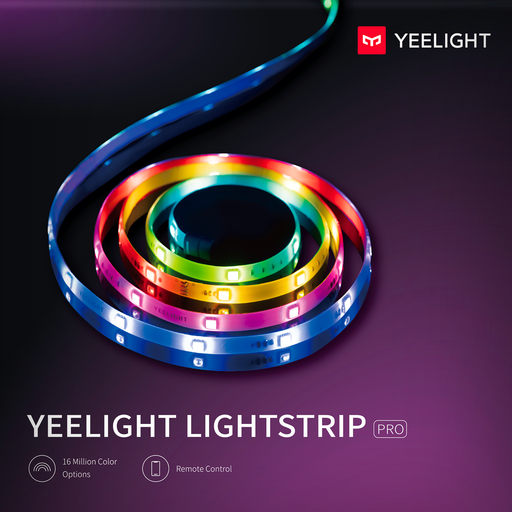
Why this choice? For total immersion in your games, this LED strip is a benchmark. It's designed to sync with on-screen action and music, turning a simple gaming session into a dynamic visual spectacle.
It sidesteps the "fake smarts" trap by offering native compatibility with gaming platforms (like Razer Chroma) and major voice assistants. The integration is seamless and truly effortless.
RGBIC (addressable) technology allows multiple colours to be displayed on a single strip at the same time. The result: complex gradients and lighting effects that are impossible to recreate with a standard RGB strip.
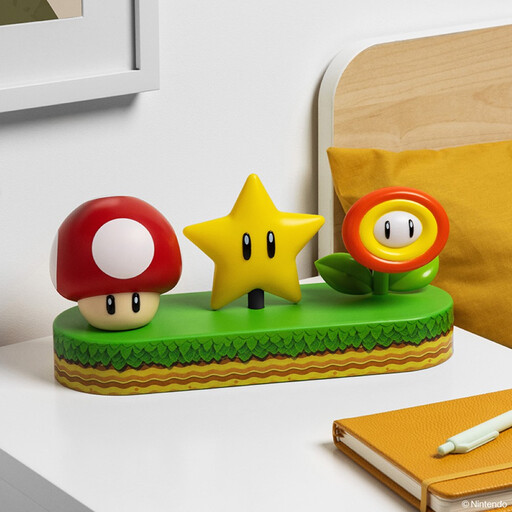
Why this choice? A 100% decorative gaming light that will delight Nintendo fans. It's a collector's item that also serves as a night light or ambient light for a bedroom or a gamer's desk.
This product doesn't pretend to be a primary light source. Its entire value lies in its design and official license. It thus avoids the trap of being a disappointing "functional" product by fully embracing its role as a decorative item.
Officially licensed by Nintendo, guaranteeing a design faithful to the original. It offers two lighting modes (including one that reacts to music) and dual power options (USB or batteries) for more flexibility.
We've curated a complete selection of products that meet our quality criteria and current safety standards.
1. What is the lifespan of an LED light? The lifespan of an LED, typically between 15,000 and 50,000 hours, is impressive. For an average use of 4 hours per day, that's over 10 years! However, be aware: the quality of the components (power supply, chips) is crucial. A low-end product will see its brightness and colour fidelity decline long before reaching this rated lifespan.
2. Do LED strips consume a lot of energy? No, and that's one of the major advantages of LED technology: its energy efficiency. A 5-metre LED strip consumes, on average, between 24 and 72 watts, depending on its density and brightness. That's far less than an equivalent halogen or incandescent light, and you'll see the difference on your electricity bill.
3. Can you easily cut and extend an LED strip? Yes, most strips are cuttable at specific points, usually marked with a small scissor icon. To extend them or create angles without soldering, there are dedicated connectors. Just make sure they are compatible with your strip's width and its number of pins (2 for a single colour, 4 or more for RGB).