
Livraison le jour même ou le lendemain

Qualité garantie

Débloquez vos offres de bienvenue: Livraison GRATUITE | Jusqu'à -80 % | 30 jours d'essai gratuits à JoyPlus
Téléchargez l'application
The world of LED lighting is undeniably appealing: energy savings, record-breaking lifespans, endless design possibilities... However, navigating the options can quickly become a headache. Between marketing promises and complex technical sheets, it's easy to make the wrong choice. As the Head of Product Recommendations at Joybuy, my mission is simple: to help you see things more clearly. This guide breaks down the common pitfalls to avoid and gives you the keys to choosing the LED lighting that truly fits your needs.
To prevent a good investment from turning into a disappointment, let's review the most common mistakes.
To avoid these pitfalls, focus on a few technical parameters that make all the difference.
These two values determine the atmosphere of your room.
The CRI (Color Rendering Index) measures a light source's ability to render the colors of objects faithfully, on a scale of 0 to 100. A CRI below 80 will make your interior look dull and washed-out. For areas where color perception is important (kitchen, bathroom, dressing room), a CRI above 90 is highly recommended.
The IP rating is essential for fixtures used outdoors or in damp rooms. It consists of two digits: the first for protection against solids (dust) and the second against liquids (water).
Here is our selection, designed for real-world needs and based on the criteria we've just discussed.
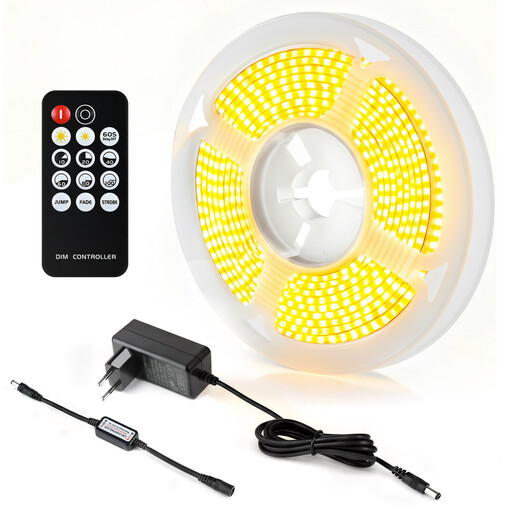
Why we chose it: Ideal for creating uniform ambient lighting under shelves, behind a headboard, or along a countertop. Its flexibility and self-adhesive backing simplify custom decor projects.
The COB (Chip-on-Board) technology provides a continuous line of light without the visible "dots" of low-end LED strips. Its high CRI of 92 ensures faithful color rendering, preventing a washed-out look.
A perfectly uniform, dimmable light with a 3000K temperature for the warmest, most inviting atmosphere.
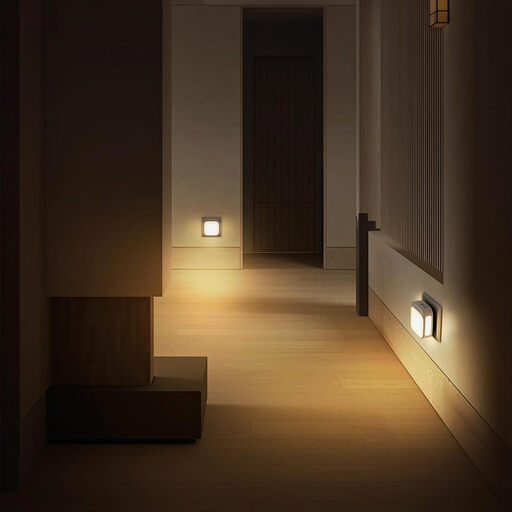
Why we chose it: Perfect for safely lighting a hallway, staircase, or child's room at night. This kids' night light automatically turns on when it gets dark and off at dawn.
Its power consumption is negligible (0.3W), eliminating any worries about the electricity bill. The sensor-based automation means you don't have to think about it, ensuring it only operates when needed.
Continuously adjustable brightness for tailored visual comfort and an ultra-simple installation: just plug it in.
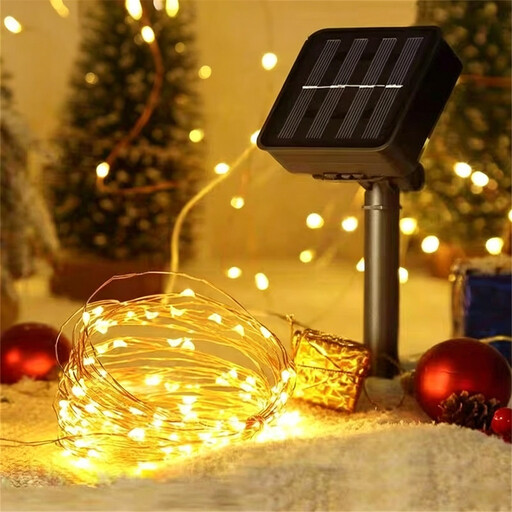
Why we chose it: For decorating a garden, balcony, or patio without worrying about cables or electricity consumption. These solar-powered string lights charge during the day and light up at dusk for a festive atmosphere.
Completely eliminates the pitfall of complex installation and hidden costs. Solar power makes it autonomous and cost-effective. Its waterproof design is built to withstand the elements, guaranteeing durability.
8 lighting modes to vary the ambiance and a memory function that saves your preferred setting from one day to the next.
Explore our full selection of products that meet our quality criteria and safety standards.
1. What is the real lifespan of an LED bulb? An LED bulb's lifespan heavily depends on the quality of its components and its thermal management. A quality product can last between 15,000 and 25,000 hours, which represents several years of normal use. Be wary of excessively high numbers (50,000 hours or more) on entry-level products, as they are rarely achieved under real-world conditions.
2. How do I choose the right color temperature for each room? It's a matter of preference, but here are some guidelines to help you:
3. Does LED lighting really consume less energy? Yes, and significantly so. For the same brightness (measured in lumens), an LED bulb consumes up to 85% less electricity than an incandescent bulb and about 50% less than a halogen bulb. Switching to LED lighting is therefore a very effective way to reduce your electricity bill in the long run.