
Livraison le jour même ou le lendemain

Qualité garantie

Débloquez vos offres de bienvenue: Livraison GRATUITE | Jusqu'à -80 % | 30 jours d'essai gratuits à JoyPlus
Téléchargez l'application
LED indoor lighting can transform a dark hallway, make a corridor safer at night or make a bathroom more comfortable. But some purchases can quickly lead to disappointment: light that is too cool, a sensor that triggers at the slightest movement, a battery that is a hassle to recharge or a light fitting that is incompatible with your existing installation.
Before choosing an LED ceiling light, a motion-sensor lamp or a cordless LED night light, there are three particularly easy pitfalls to avoid.
Higher wattage does not guarantee more pleasant light. Colour temperature, diffusion and the position of the light fitting also play a part. Cool white light may be suitable for a corridor or functional area, while warmer lighting generally works better in a bedroom or with a bedside light.
If the light fitting uses a replaceable bulb, also check the cap, maximum wattage and compatibility with a dimmer. An E27 ceiling light does not necessarily come with a bulb.
For bathroom lighting, the IP rating should take priority over design or price. The first digit indicates the level of protection against solid objects, while the second shows resistance to water. An IP44 appliance withstands water splashes from different directions, but this does not mean it can be submerged or installed anywhere in the room.
The distance from the shower, bath and water outlets must also be taken into account. If in doubt, it is best to have the electrical installation carried out by a qualified professional.
A cordless lamp means you do not need to run cables, but you will need a suitable surface and must recharge it regularly or replace its batteries. Conversely, a wired ceiling light requires you to check the type of connection, whether an earth conductor is present and whether it is compatible with the existing fitting.
A Class I appliance, for example, must be earthed. This is essential to check before replacing an old light fitting.
For a bathroom, a corridor near a damp area or a toilet, check the IP rating shown in the product specifications. A wall light or ceiling light with the right level of protection may be suitable for certain areas, but the technical information does not replace French electrical installation regulations.
In a bedroom, entrance hall or dry corridor, humidity-related requirements are less demanding. You can then focus on light diffusion, the height of the fitting and how easy it is to clean.
The E27 format is very common and makes bulb replacement straightforward. However, you should check:
A dimmable light can be particularly useful in a bedroom or entrance hall, provided the light fitting, bulb and dimmer are compatible with one another.
For a motion-sensor lamp, check the sensor’s range, detection angle, time before switching off and power supply. A cordless LED night light with a magnet or adhesive strip is easy to move, but the surface must be clean, dry and sufficiently strong.
A rechargeable lamp is well suited to tenants and anyone looking to avoid complicated wiring. In walkways, also make sure that the sensor will not be blocked by furniture or decorative items.
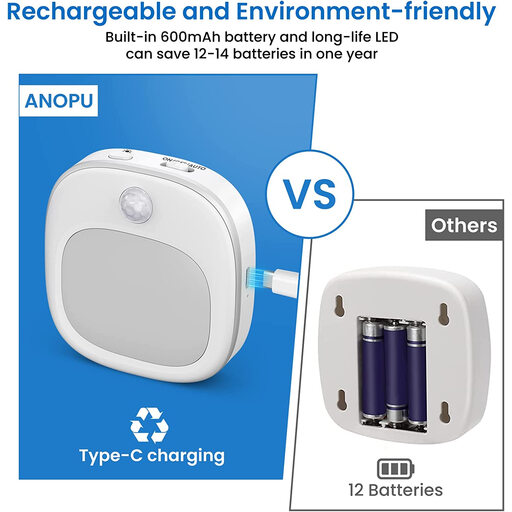
Why this choice suits this profile : This two-lamp set is ideal for quickly lighting a corridor, bedroom or toilet without any wiring work.
Battery operation means you do not need a nearby socket. However, make sure you have spare batteries and check that the sensor is positioned correctly.
Two units, motion detection, five adjustment levels and three colour temperatures specified in the product information.
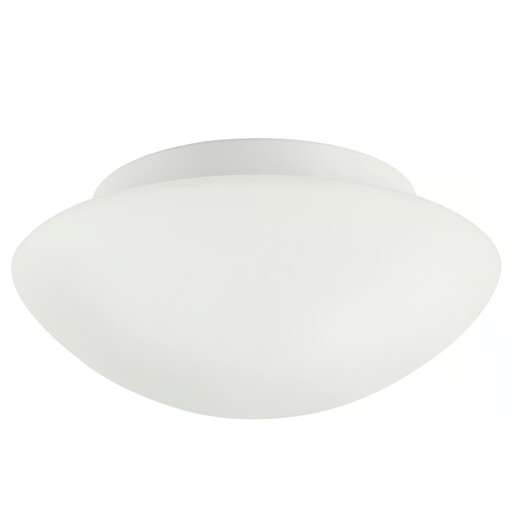
Why this choice suits this profile : Its opal glass and 23.1 cm diameter make it suitable for an entrance hall, corridor, bedroom or compatible indoor damp area.
The product information states IP44/IP43 protection for indoor damp areas. It also specifies that the Class I installation must be earthed.
Opal glass, ceiling or wall installation, E27 socket, compatibility with a maximum 15 W LED bulb and dimmable function with a suitable bulb.
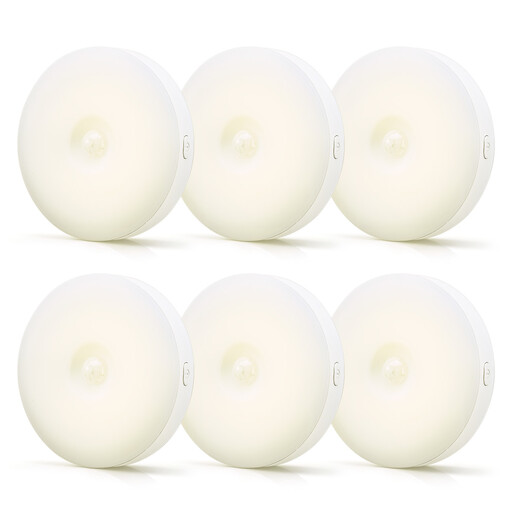
Why this choice suits this profile : Six cordless LED night lights let you illuminate several walkways, staircases, cupboards or storage areas throughout a family home.
The PIR sensor has a stated range of 0 to 6 metres, with a 120-degree angle. The magnetic strips make it easy to reposition the lights without drilling.
Six units, three colour modes, rechargeable battery, magnetic or adhesive fitting and charging cable included. The product must not be exposed to excessive moisture.
We have put together a complete, real-time updated selection of products that meet these strict criteria, as well as European safety requirements.
Before drilling or sticking a lamp in place, measure the available surface and check the condition of the support. Adhesive strips hold better on a clean, dry and degreased surface. To install a ceiling light, switch off the power at the consumer unit and check the type of connection.
Do not place a cordless night light in an area directly exposed to water splashes if its technical information does not specify sufficient protection. To clean a glass or metal light fitting, switch it off and use a soft, slightly damp cloth. Rechargeable appliances must not be dismantled or exposed to high temperatures.
The cost depends on its wattage, how long it is used and the electricity tariff. To estimate it, multiply the power in kilowatts by the number of hours of use, then by the kilowatt-hour price shown on your bill. A motion sensor can reduce the time a corridor light stays on, but its usefulness depends on how often people pass through and the settings selected.
A warm colour temperature is often more comfortable in a bedroom, while a more neutral light makes it easier to move around an entrance hall or corridor. Models offering several colour temperatures allow you to adapt the atmosphere to each use. If you are looking for dimmable lighting, also check that brightness adjustment is available.
Start by checking the IP rating, installation zone and type of connection. An E27 ceiling light with suitable protection may be suitable for certain configurations, but you must comply with the bathroom’s electrical zones and the manufacturer’s instructions. For a fixed installation, ask an electrician for advice whenever you have questions about earthing or the proximity of a water outlet.