
Livraison le jour même ou le lendemain

Qualité garantie

Débloquez vos offres de bienvenue: Livraison GRATUITE | Jusqu'à -80 % | 30 jours d'essai gratuits à JoyPlus
Téléchargez l'application
Driving at night or in bad weather is stressful enough without having to squint. If your ageing halogen headlights are struggling to light up the road, it's time for an upgrade. Switching to LED headlight bulbs is no longer just a cosmetic choice: it's a crucial investment in your safety.
But between the different part numbers (H7 LED, H11, H4), technical jargon (6000K, CANBUS), and sometimes vague marketing promises, how do you navigate it all? Our mission is simple: to give you clear information and practical advice so you can make the right choice—one that's truly suited to your vehicle and driving style.
This guide gets straight to the point to help you choose the best LED kit and transform your night-time drives.
Before you take the plunge, let's review the key technical points that will guarantee the compatibility and performance of your future lighting.
The socket type, or base, is the part of the bulb that plugs into the headlight housing. It's the number one criterion: if the socket isn't correct, installation is impossible. The most common types are:
To find out your car's socket type, the easiest and most reliable way is to check its owner's manual. Another option: remove an original bulb to read the part number engraved on its base.
The performance of an LED bulb depends on two key indicators:
Most recent cars (especially European models) have an on-board computer (OBC) that constantly checks if all bulbs are working. Since an LED consumes much less power than a halogen bulb, the computer can mistake this for a fault and display a warning on the dashboard.
A CANBUS error-free kit solves this problem. It includes a resistor that "tricks" the computer by simulating the power consumption of a standard bulb. This is an almost mandatory feature if your car is less than 15 years old. Fortunately, most quality kits are plug and play: they connect directly without any wiring modifications.
We have selected products that meet a variety of needs, from daily use in a city car to extreme off-road conditions, as well as for motorcycles.
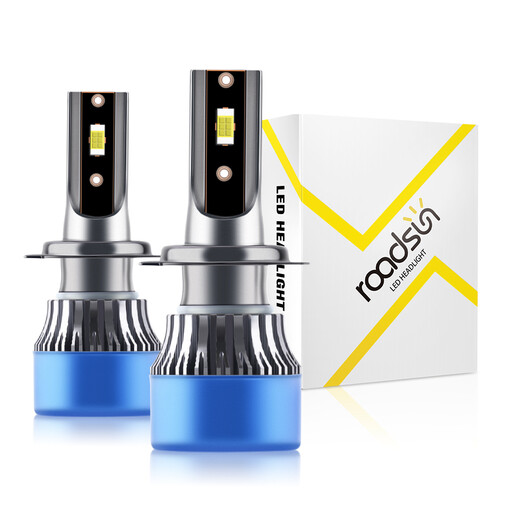
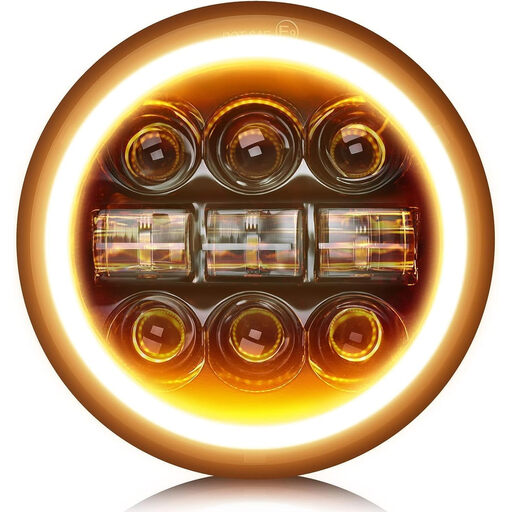
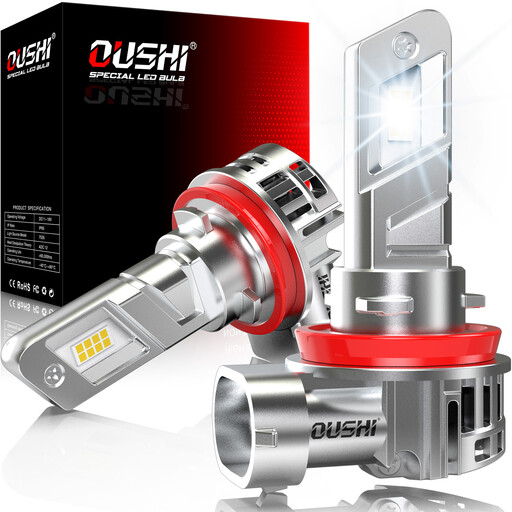
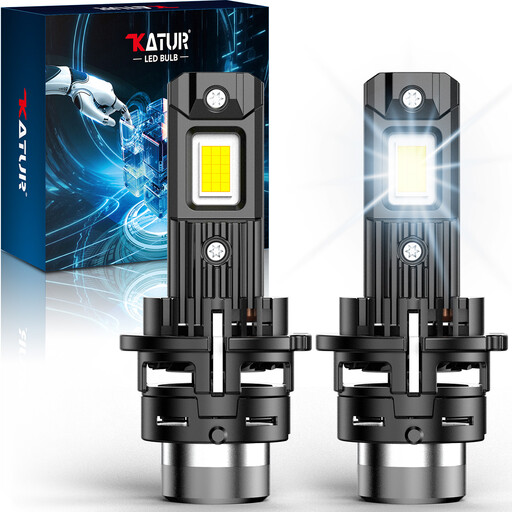
Our selection is just a glimpse of what's available. If the perfect model for your vehicle isn't here, or if you're curious to see other technologies, feel free to explore our full catalogue.
Explore our complete category of LED car headlights to discover even more lighting solutions.
1. Is it legal to install LED bulbs in my car? Regulations are strict and vary by country/region: any modification to a vehicle's lighting system must comply with local homologation standards (e.g., ECE marking in Europe, DOT in the US). In theory, using most aftermarket LED kits on public roads may not be permitted. In practice, it is often tolerated, provided that the beam pattern is correctly aligned to avoid dazzling other road users. To ensure you are compliant, check your local laws or reserve their use for off-road or private tracks.
2. Is a CANBUS LED bulb really necessary for my car? It's more than recommended—it's practically essential for most vehicles manufactured after 2005. Without a CANBUS system, the on-board computer will interpret the LED's low power consumption as a fault (a "burnt-out bulb"), triggering a dashboard error light and sometimes even causing the bulb to flicker.
3. How do I find the right socket type (H7, H4, H11) for my car? The most reliable method is to check your vehicle's owner's manual, usually in the maintenance section. The other foolproof method is to remove the original bulb. The socket reference (H4, H7, etc.) is always engraved on its metal base.