
Livraison le jour même ou le lendemain

Qualité garantie

Débloquez vos offres de bienvenue: Livraison GRATUITE | Jusqu'à -80 % | 30 jours d'essai gratuits à JoyPlus
Téléchargez l'application
With its promise of a professional-grade treatment at home, the LED face mask has established itself as the new must-have beauty tech accessory. Non-invasive and increasingly accessible, facial light therapy is winning over consumers. But with a crowded market and vague marketing claims, it's easy to get lost and make the wrong choice.
Before you invest, let's break down the most common pitfalls to avoid buyer's remorse.
To help you see things more clearly, let's review the criteria that truly make a difference.
A few technical details are all you need to evaluate your options and find the mask that's right for you.
Light therapy works by emitting specific wavelengths, perceived as colours, that interact with the skin in different ways. Here are the most common ones:
Make sure the wavelengths offered target the specific concerns you want to address.
For a device you'll be using regularly, comfort is non-negotiable.
Also consider the fastening system (adjustable straps) and the device's weight, which are key to a truly comfortable, hands-free session.
Practicality also comes down to the power source. Rechargeable battery-powered models offer complete freedom of movement, while corded versions ensure consistent power. Check the advertised battery life (in number of sessions per charge) to judge its day-to-day convenience.
Finally, a crucial point: ensure the product has the CE marking, which certifies its compliance with European Union safety regulations.
To move from theory to practice, here is a selection of products suited to different needs and budgets, based on light therapy mask reviews and technical specifications.

Why we chose it: Perfect for getting started with light therapy without breaking the bank. This mask is an excellent entry point to familiarise yourself with the technology.
By focusing on the essentials (the basic lights), it avoids the extra cost and complexity of ultra-sophisticated models. Ideal for testing the concept affordably.
Its ease of use, perfect for a first at-home light therapy experience.
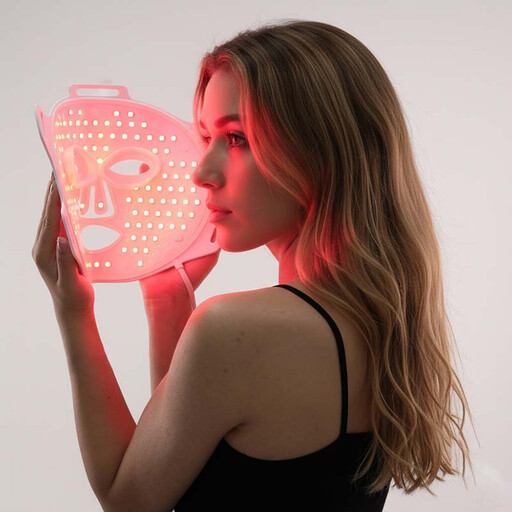
Why we chose it: For those who refuse to compromise on comfort and effectiveness. Its flexible design and multiple options make it a versatile tool for an advanced skincare routine.
Its medical-grade silicone design solves the discomfort problem of rigid masks. The result: a perfect fit and completely even light distribution.
It combines 4 wavelengths (blue, yellow, red, and near-infrared) and a flexible silicone design for a customised and ultra-comfortable treatment.
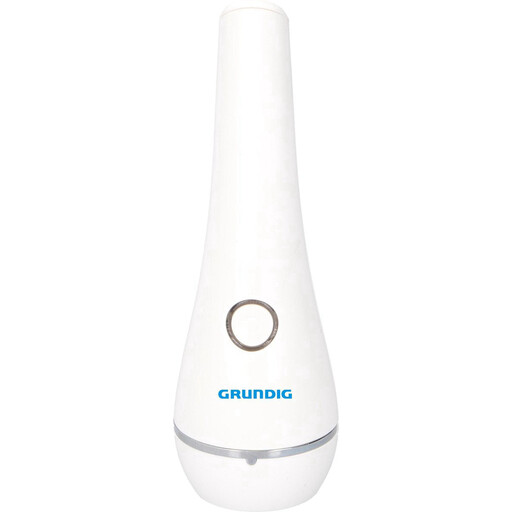
Why we chose it: The perfect alternative for those who prefer a handheld device to target specific areas or who are looking for additional features (massage, hot/cold therapy).
This isn't a mask, so it bypasses the fit issue. Its real strength is its versatility, which goes far beyond a simple LED function.
An all-in-one device that combines LED light, vibrations, hot/cold therapy, and ionic technologies for a complete and localised facial treatment.
Discover our full selection of devices that meet our quality criteria and European safety standards.
Most manufacturers recommend using it 3 to 5 times a week, for 10 to 20-minute sessions. Always follow the specific instructions for your device and do not exceed the recommended duration. Consistency is key to seeing visible results in your skin's appearance.
Consumer-grade LED masks are designed to be safe when used according to the user manual. They emit a low-intensity, UV-free light. As a precaution, it is recommended to use the provided eye protection, if any, and to avoid looking directly at the LEDs. If you have a skin condition, light sensitivity, or are taking medication, it is best to consult a healthcare professional before you begin.
The golden rule: always use an LED mask on clean, dry skin. Applying creams or serums before the session could create a barrier and reduce light penetration. Apply your usual skincare products afterwards: they will be even more effective on perfectly prepped skin.
By our Joybuy product experts