
Livraison le jour même ou le lendemain

Qualité garantie

Débloquez vos offres de bienvenue: Livraison GRATUITE | Jusqu'à -80 % | 30 jours d'essai gratuits à JoyPlus
Téléchargez l'application
Replacing halogen bulbs with LED car bulbs can modernise your vehicle’s lighting. But the choice isn’t just about the power stated on the packaging. An incompatible cap, a poorly adjusted beam, or an electronic system that detects an error – several pitfalls can turn a promising purchase into a wasted expense.
Here are the criteria to check before choosing LED bulbs such as H1, H4, H7, H11, 9005, 9006 or 9012, for a car, SUV, van or motorcycle.
The brightness figures shown on product listings alone won’t tell you how the result will look on the road. The shape of the beam, the position of the LED chips, and the design of the optics all directly influence how the light is distributed.
A bulb advertised as very powerful can create dark spots or dazzle oncoming drivers if it doesn’t accurately replicate the position of the halogen filament. Claims like “300% brighter” should therefore be taken for what they are: manufacturer marketing points, not a universal guarantee of visibility.
An H7 LED bulb doesn’t automatically replace an H4 or H11. The cap, fixing lugs and electrical function can vary from one vehicle to another. Some models also use the same format for multiple functions, while others have a separate location for dipped beam, main beam or fog lights.
Before ordering, check your vehicle’s manual, the removed bulb, or the reference printed on it. A product listing promising compatibility with “99% of vehicles” doesn’t let you skip this check.
LED bulbs fitted with a fan can be longer than the original model. A narrow cover or a compact headlight unit may then prevent the headlight from closing properly. Also make sure the fan or heatsink has enough room to dissipate heat.
Here are some useful pointers:
A reference that looks visually similar isn’t necessarily mechanically compatible. The replacement must match the original connector and fixing system.
A 6000 K cool white shade produces a light that looks whiter than a traditional halogen bulb. Colour temperature doesn’t measure brightness, though. It indicates the perceived hue, not the actual beam reach.
A very white light can also enhance contrast on wet roads or in foggy conditions. For LED bulbs intended for fog lights, therefore, check that the beam remains suitable for the projector’s function.
LEDs generate heat at their components. An aluminium housing, a fan or a heatsink help maintain a correct operating temperature. However, these elements can produce a slight noise and need enough free space.
The IP68 rating indicates a level of protection against dust and water, under the conditions set by the relevant standard. It doesn’t mean the bulb can be submerged indefinitely, nor that the entire headlight automatically benefits from the same level of protection.
CANbus LED bulbs include a device designed to limit certain error messages, flickering or detection issues. Compatibility still depends on your vehicle’s electronics. In some cases, an additional module may be needed.
Before installation, check the French and European regulations that apply to your vehicle and the function concerned. An LED bulb designed to replace a halogen one isn’t automatically approved for road use just because it carries a CE or CANbus mark. Consult the manual, the approval markings and, if necessary, ask a professional for advice.
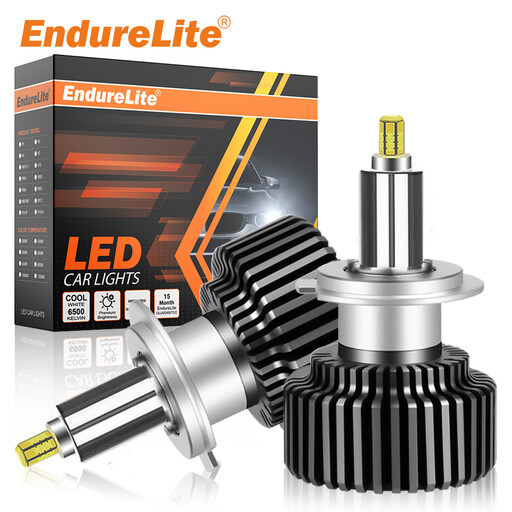
Why this choice suits this profile: This compact format is suitable for motorists who want to replace H7 or H18 bulbs with an installation described as plug and play, without modifying the original wiring.
Its design, described as close to the original format, limits the risk of needing an adapter, subject to vehicle compatibility.
Stated 6000 K colour, fan cooling and IP68 protection as indicated in the product listing.
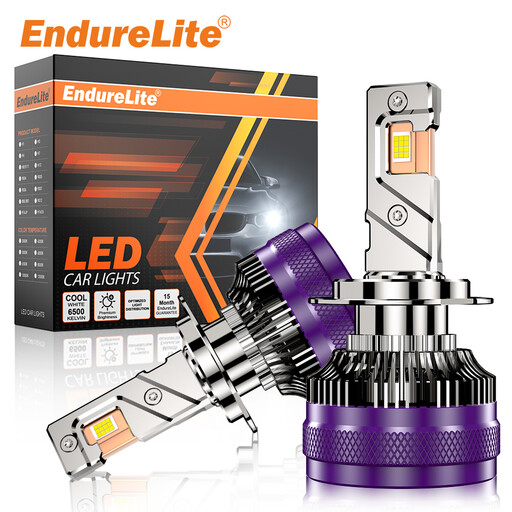
Why this choice suits this profile: Drivers looking for an H7 bulb with an aluminium housing, integrated fan and a stated CANbus system may find this option of interest.
The listing mentions a 1:1 format, which addresses the common problem of a poorly positioned beam, without removing the need to check alignment after fitting.
Pack of two, 6000 K cool white, fan stated at 10,000 rpm and claimed operating life of 50,000 hours.
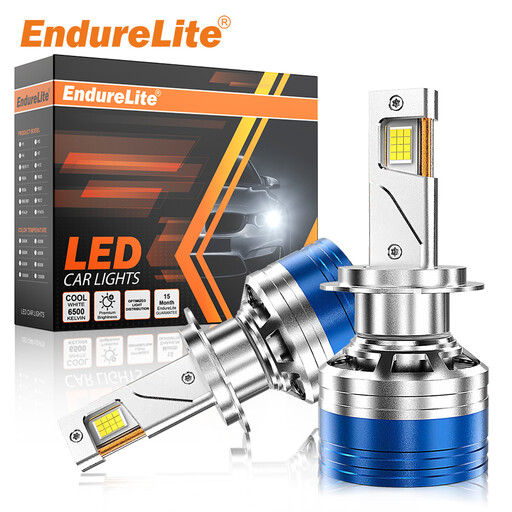
Why this choice suits this profile: This reference is aimed at vehicles fitted with a 9012/HIR2 cap, particularly drivers looking for a solution for frequent journeys or varying weather conditions.
The 9012/HIR2 format is clearly identified, which reduces the risk of ordering a similar but incompatible reference.
Stated plug and play installation, active cooling, IP68 protection and CANbus system as indicated by the manufacturer.
After installation, check for any flickering, error messages or dark spots. Poor adjustment can inconvenience other road users, even with correctly fitted LED bulbs.
No. Compatibility depends on the cap, available space, polarity and the vehicle’s onboard electronics. Note the reference of your original bulb before buying. A CANbus system can reduce errors, but it doesn’t guarantee full compatibility.
Product listings may claim up to 50,000 hours for some models. This figure depends on usage conditions, temperature, vibrations and the quality of cooling. It is a lifespan stated by the manufacturer, not a guarantee of identical performance in all vehicles.
Consumption varies depending on the model and its actual power. Compare the stated electrical power, not just the number of lumens. The fan and electronic circuit can also affect the overall power consumption of the kit.