
Livraison le jour même ou le lendemain

Qualité garantie

Débloquez vos offres de bienvenue: Livraison GRATUITE | Jusqu'à -80 % | 30 jours d'essai gratuits à JoyPlus
Téléchargez l'application
Driving at night or in the rain with old halogen lighting can quickly become a nightmare. Poor visibility, washed-out colours, not to mention the dated, yellowish look of your headlights... Are you thinking about switching to LEDs to replace your halogen bulbs, but feel overwhelmed by a flood of options and technical jargon??
Don't worry, this guide is here to help you see things more clearly. Our mission?: to demystify the market for you and give you the keys to choosing the perfect LED bulb for your car and your needs, all without the technical jargon. We'll review the essential criteria before presenting a selection of products that have caught our eye for their performance and ease of installation.
Before you pull out your credit card, here are the crucial points to check to ensure you make the right choice.
This is the essential starting point?: the base type of your original bulb. Don't expect to find a universal bulb; they don't exist. The most common references are?:
To find the exact reference, consult your vehicle's manual or check the inscription directly on the bulb you need to replace. The wrong base type will make installation simply impossible.
Be careful, the power of an LED bulb isn't just about a high lumen count. A good LED kit must, above all, produce a clean and precise beam pattern that effectively illuminates the road without ever dazzling other drivers. So-called "1:1" models, which perfectly mimic the size and position of the halogen filament, are an excellent hallmark of quality. They ensure the original beam pattern of your headlight is maintained. In terms of colour, aim for a temperature around 6000K to get a crisp, modern white light that significantly improves the perception of contrast and detail.
The main advantage of recent LED kits?? Their simple installation, which is within anyone's reach. Prioritise models labelled "plug-and-play". In practical terms, this means no cable splicing, external adapters, or special tools are required. The bulb clips directly into the original connector. It's an operation that takes only a few minutes, even for a novice.
To help you take the next step, here is a selection of products that have caught our attention.
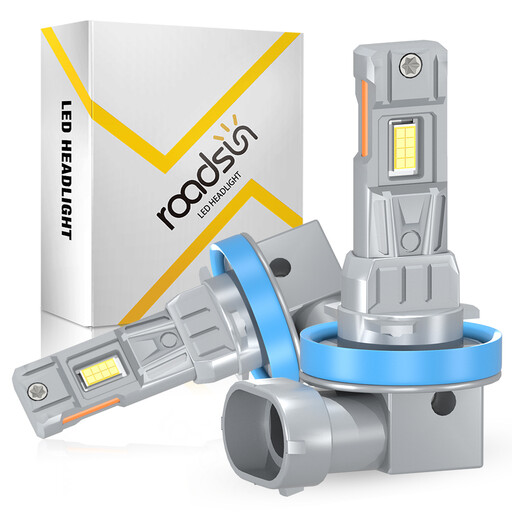
Why this model stands out?: This is a prime example of a simple and effective upgrade. Its 1:1 design compared to a halogen bulb ensures perfect integration into the headlight housing, maintaining a clean beam pattern. Its promise of a 3-minute installation is a major selling point for those in a hurry.
Advantages?:
The Verdict?: Ideal for the driver who wants a high-performance, reliable, and above all, very easy-to-install solution to replace their LED low beams or LED fog lights.
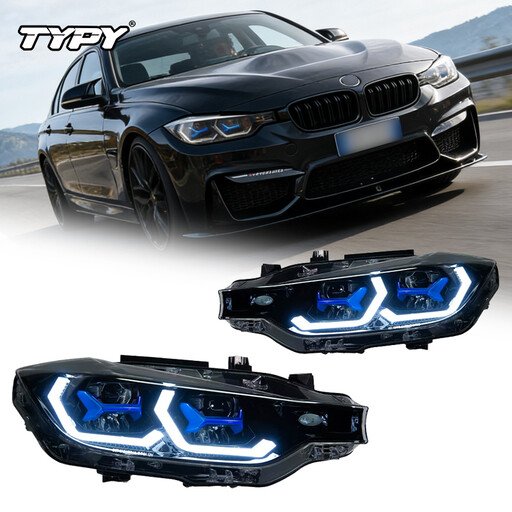
Why this kit stands out?: Here, we're moving into a different category. This isn't just about simple bulbs, but complete headlight assemblies that replace the original headlights. It's the ultimate solution for those who want to give their car a real modern facelift, with advanced features like sequential turn signals.
Advantages?:
The Verdict?: For owners of a BMW 3 Series (F30/F35) looking for a radical aesthetic and functional transformation, moving from somewhat dated halogen or Xenon lighting to a modern Full LED look. Please note: professional installation is highly recommended for a smooth integration with the vehicle's on-board electronics.
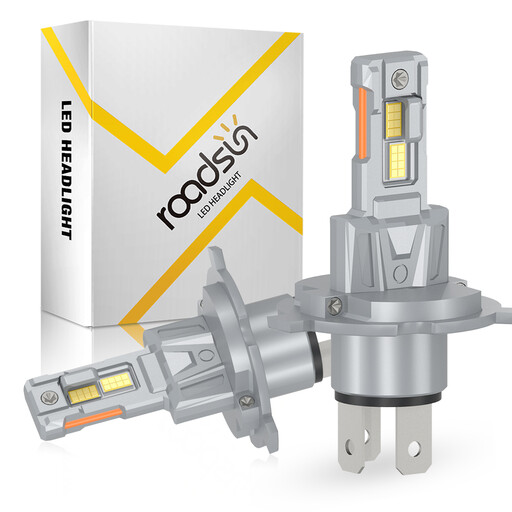
Why this model stands out?: The unique feature of this H4 LED bulb?? Its fanless design. With no moving parts, it is not only completely silent but also eliminates the main failure point of entry-level LED kits?: the fan.
Advantages?:
The Verdict?: The sensible choice for drivers with H4-equipped vehicles who are primarily looking for reliability and silence. Perfect for intensive daily use.
If these products don't match your vehicle or if you're looking for a different base type, feel free to explore our complete selection. You'll find solutions for almost every make and model on the market.
? Discover our complete selection of Headlights and Automotive Lighting
1. Is it legal to replace halogen bulbs with LEDs in your country?? On paper, regulations can be strict?: any replacement bulb must be officially approved (e.g., ECE certified in Europe), which is rarely the case for aftermarket LED kits, often designated for "off-road" use only. In practice, a high-quality, well-adjusted kit that produces no glare will often pass technical inspections without issue. Our advice?: check your local regulations and keep your original halogen bulbs safe, just in case.
2. Will a powerful LED bulb dazzle other drivers?? This is the main risk with a low-quality kit. A well-designed LED bulb (especially "1:1" models) positions its LED chips in the exact same spot as the halogen bulb's filament. This allows the headlight to project a clean beam with a sharp cut-off line, preventing glare for other road users. Remember that beam quality always takes precedence over raw lumen output.
3. Do I need an adapter or an error-cancelling system (Canbus)?? On many modern vehicles (especially European ones), the on-board computer may display a "burnt-out bulb" error message because an LED consumes less power than a halogen. Most modern plug-and-play kits integrate an error-cancelling system (Canbus) to bypass this issue. This is the case for the Roadsun models featured here. For some more finicky cars, an external Canbus module may be necessary. Always check the compatibility stated by the manufacturer.