
Livraison le jour même ou le lendemain

Qualité garantie

Débloquez vos offres de bienvenue: Livraison GRATUITE | Jusqu'à -80 % | 30 jours d'essai gratuits à JoyPlus
Téléchargez l'application
In the city, whether you're on a bike or an electric scooter, constant vigilance is key. Visibility is a critical factor, especially at dawn, dusk, or in the middle of the night. The LED bike helmet has become an essential ally for nighttime cyclist protection. However, not all models are created equal. Faced with an overwhelming number of options, it's easy to fall into common traps that lead to a disappointing or even useless purchase.
As a Product Recommendation Manager at Joybuy, my role is to help you sort through the options. Let's review the common mistakes to avoid and the essential criteria for making an informed decision.
To avoid making a mistake, focus on a few objective technical specifications. They are the true hallmark of your future helmet's quality and safety.
Before you even look at the brightness of the LEDs, check for the CE EN 1078 certification. This European standard is mandatory and guarantees that the helmet's structure (shell and internal EPS foam liner) has been tested to withstand impacts. This is your primary insurance in case of a fall. A helmet, whether for a bike or an electric scooter helmet, must first and foremost protect you.
An effective lighting system is defined by several key points:
Comfort is essential for daily wear. Three elements should be inspected:
To move from theory to practice, here is a selection of products that cater to different user profiles, all while meeting our criteria for safety and functionality.
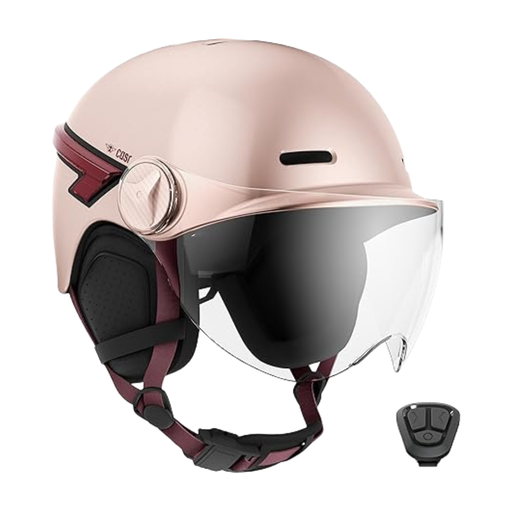
The Ideal User: Perfect for the urban cyclist looking for a complete and modern visibility solution. Its futuristic design and advanced features like turn signals make it both a safe and stylish accessory for daily commutes.
Its wide 180° rear LED light and integrated turn signals go far beyond a simple "gimmick LED," ensuring clear signaling and maximum visibility. It charges via a convenient USB-C port.
Integrated turn signals with a wireless handlebar remote. Includes all-season accessories (visor, ear covers).
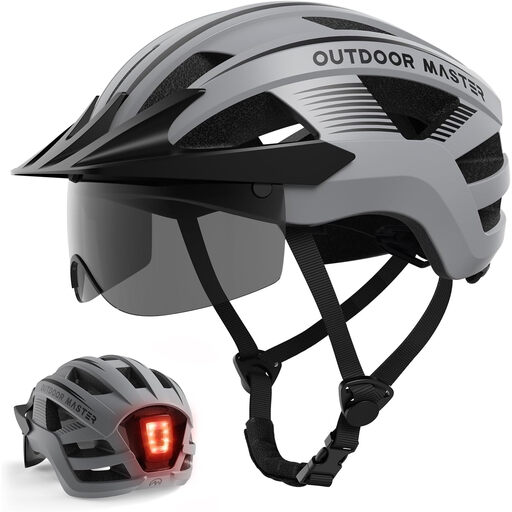
The Ideal User: Perfect for the rider who prioritizes safety, simplicity, and versatility. It combines certified protection, an effective rear light, and practical accessories like a visor and magnetic goggles.
It integrates a USB-C rechargeable rear light with multiple modes, ensuring good battery life and easy charging. Its low weight and 17 vents guarantee lasting comfort, even with the electronics.
Dual safety certification (CPSC and ASTM). Removable magnetic goggles protect from wind and UV rays.
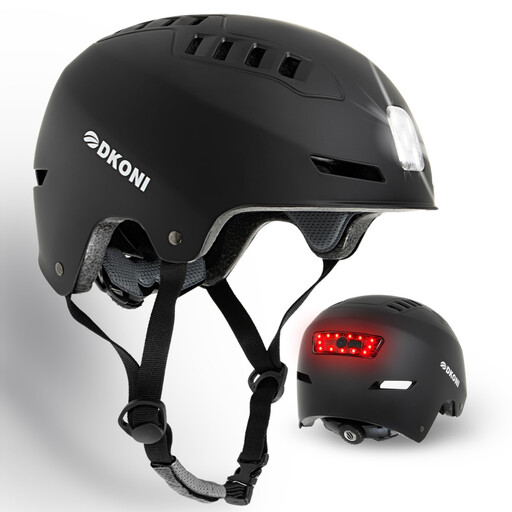
The Ideal User: Designed for those who switch between a bike and a scooter and need to be seen from both the front and back. Its dual illumination makes it a comprehensive safety choice for the urban jungle.
This helmet goes beyond simple rear visibility by integrating 5 white LEDs on the front to be seen when approaching intersections. It avoids the trap of being a single-function helmet.
Front and rear lighting system for 360° visibility. Certified to CPSC, CE, and ASTM standards for complete protection.
We've curated a full range of products that meet these strict criteria and current safety standards.
The golden rule: always replace your helmet after any shock or impact, even if no damage is visible. The internal EPS foam structure can be compromised and may no longer perform its shock-absorbing role. In the absence of an impact, it is recommended to replace your helmet every 3 to 5 years, as the materials degrade over time due to UV exposure, sweat, and temperature changes.
Yes, a lighted helmet is perfectly legal. It is considered a highly effective piece of supplementary visibility equipment. Be aware: it does not replace the mandatory lights that must be fixed to the bike itself for riding at night or in poor visibility (a white or yellow front light and a red rear light).
To clean your helmet, use a soft cloth, warm water, and a neutral soap. Never use solvents or harsh chemicals, which could damage the shell and electronic components. The internal foam pads are often removable and can be washed by hand. Make sure the helmet is completely dry before storing it in a cool place away from direct sunlight. Periodically check that the charging port remains clean and unobstructed.