
Livraison le jour même ou le lendemain

Qualité garantie

Débloquez vos offres de bienvenue: Livraison GRATUITE | Jusqu'à -80 % | 30 jours d'essai gratuits à JoyPlus
Téléchargez l'application
Navigating the world of hair care can be overwhelming. Promises multiply and packaging shines, but the results don't always live up to the hype. The wrong leave-in hair treatment can weigh your hair down, make it greasy, or worse, have no effect at all. Before your next purchase, it's crucial to learn how to sidestep marketing traps and finally find the formula that will elevate your hair.
Too often, consumers face three major disappointments?:
To invest in a product that delivers on its promises, you need to look beyond the slogans. Here are the three technical points to scrutinise to make an informed choice.
The composition of a leave-in hair treatment is the true indicator of its effectiveness. Formulas mainly fall into two categories?:
A single product can rarely excel in all areas. Identify your priority?:
Your hair type dictates the best texture to choose.
To help you see more clearly, we've selected products that tick all the boxes, matching each need with a proven formula that avoids the pitfalls mentioned above.
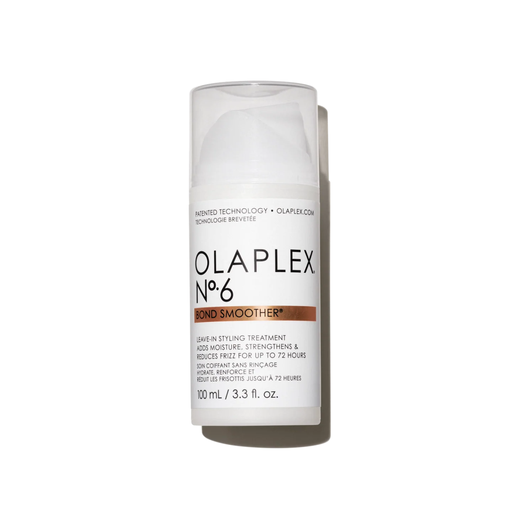
Why it's a match : Ideal for those who overuse hairdryers or straighteners. Its formula is designed to repair hair bonds damaged by chemical and thermal treatments, without weighing down even the finest hair.
Rather than masking damage with silicones, it contains the brand's patented technology (Bis-Aminopropyl Diglycol Dimaleate) that works at the core of the fibre. It thus sidesteps the "superficial fix" trap.
Provides heat protection up to 232 °C (450 °F), making it an excellent shield before any styling.
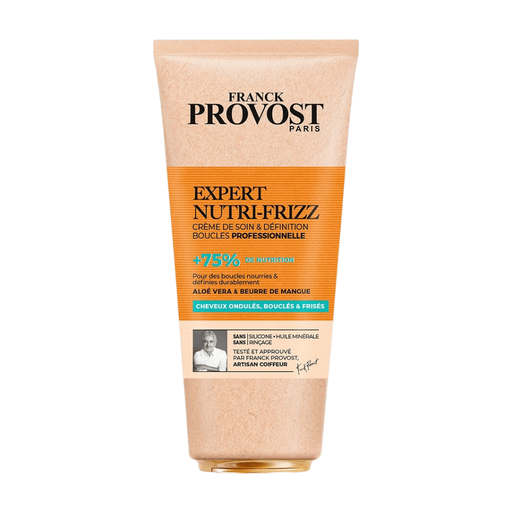
Why it's a match : Designed for hair in need of intense nutrition to define curls and tame frizz. Its rich formula is made for thick, dry hair that tends to "drink up" treatments.
It avoids the pitfall of a greasy formula by relying on actives like coconut oil and mango butter, which are well-absorbed by the hair fibre without leaving a greasy or sticky film.
Dual action: it deeply nourishes and aids in styling for well-defined, soft, and controlled curls.
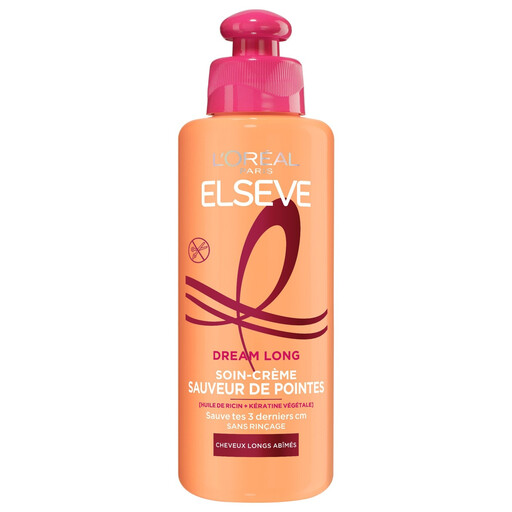
Why it's a match : Perfect for those who want to maintain their length by fighting breakage and split ends. Its mission is clear: protect the hair to allow it to grow long and healthy.
It avoids the trap of vague promises by focusing on a specific goal: sealing split ends. Its formula combines castor oil, vegetable keratin, and vitamins to strengthen the fibre where it's most fragile.
In addition to its repairing action, it offers heat protection up to 180 °C (356 °F), a bonus for protecting lengths from thermal stress.
We have curated a complete list of products that meet our demanding selection criteria.
Yes, absolutely. Most can be used on dry hair to refresh your style, tame frizz, or add shine between washes. A pea-sized amount is usually enough: apply it to the lengths and ends to avoid making the roots greasy.
It all depends on your hair type and its needs. For very dry or damaged hair, daily application may be recommended. For normal to fine hair, using it after each wash or 2-3 times a week is more than enough.
Not necessarily. A rinse-out conditioner is primarily used to detangle and seal the hair's cuticles after washing. A leave-in treatment, on the other hand, acts as a long-term treatment (providing hydration, protection, and repair) throughout the day. The two are therefore perfectly complementary, especially for the most demanding hair types.