
Livraison le jour même ou le lendemain

Qualité garantie

Débloquez vos offres de bienvenue: Livraison GRATUITE | Jusqu'à -80 % | 30 jours d'essai gratuits à JoyPlus
Téléchargez l'application
An unexpected leak? A pierced gutter, a crack in a wall, a water ingress on a flat roof... the situation is always the same: you need to act fast to minimise the damage. In these moments, a leak-sealing spray seems like the DIYer's miracle solution. But be warned, not all products are created equal, and a poor choice can quickly turn a small repair into a real headache.
As a Product Specialist at Joybuy, my mission is to help you sort through the options. Let's break down the pitfalls to avoid and the criteria that truly matter to choose a product that delivers on its promises.
The market is flooded with miracle solutions promising to seal a leak in record time. Unfortunately, behind the marketing, the reality is sometimes less impressive, and flaws only appear after the product has been applied.
For a repair that lasts, don't just rely on advertising slogans. Here are the three technical points to check to choose the right waterproof spray coating.
The key to effective roof waterproofing or gutter sealing lies primarily in the product's composition. Opt for a liquid rubber spray. Unlike a simple thick paint, these polymer or silicone-based formulas create a flexible and elastic film after drying. This elasticity allows it to absorb the micro-movements of the substrate without breaking, thus ensuring long-lasting protection. Verify that the product forms a true continuous membrane and not just a surface layer.
Before any purchase, list the materials you need to repair: metal, aluminium, PVC, concrete, masonry, bitumen, etc. A good product should be a true Swiss Army knife, compatible with a maximum number of materials. The technical data sheets often specify the substrates on which adhesion is optimal. Some products, like Rubson leak sealer, are formulated to adhere even to slightly damp surfaces, a considerable advantage for a gutter repair when the weather is unpredictable. However, surface preparation (cleaning away debris and dust) remains an essential step.
Make a clear distinction between two crucial indicators:
Rather than an endless list, we have selected products that each meet a specific need, while avoiding the pitfalls we've just discussed.
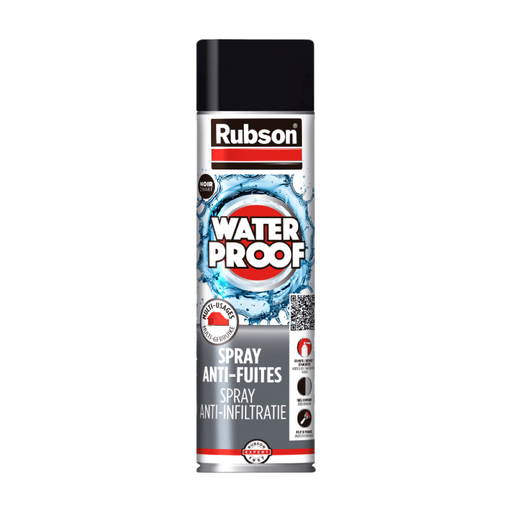
Why we recommend it: Ideal for the DIYer facing a sudden leak on a gutter, an outdoor pipe, or a small crack. Its aerosol format allows for immediate and targeted application without needing any tools.
Its liquid rubber-based formula creates a flexible seal that doesn't crack. According to Henkel, it adheres to most materials, even damp ones, which solves the classic problem of poor adhesion.
It is touch-dry in 20 to 30 minutes, providing a quick initial barrier against moisture. It can be painted over after 24 hours for a discreet finish.
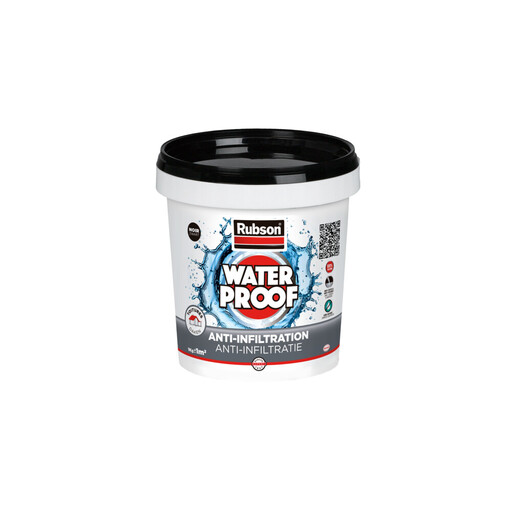
Why we recommend it: Perfect for the homeowner planning larger-scale projects, such as waterproofing a section of a flat roof, repairing chimney flashings, or treating cracks in a wall. The tub format is more economical for large areas.
This is a silicone-based liquid membrane, designed for maximum elasticity and durability, which effectively prevents the risk of cracking due to weather and UV exposure.
Solvent-free and odourless formula, applicable with a roller or brush. It withstands extreme temperatures (from -20°C to +80°C) and forms a highly durable waterproof barrier.
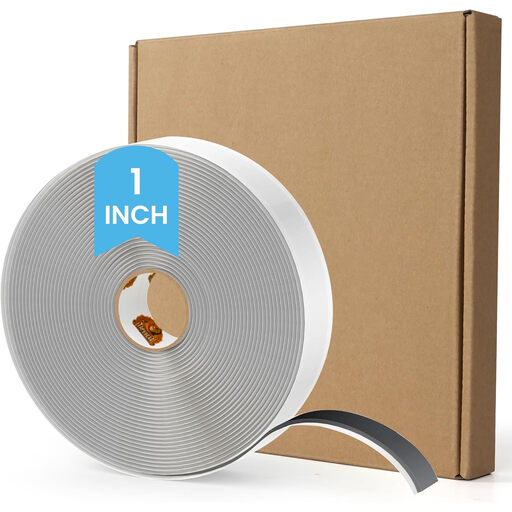
Why we recommend it: An excellent alternative for a clean and controlled application, for example, to seal around a skylight, an RV, or a garden shed, where spraying is not advisable.
As a physical barrier, its effectiveness is immediate and does not depend on a curing time. It ensures a seal of consistent thickness, which eliminates the uncertainties of a liquid application (drips, uneven layers...).
Highly flexible to conform to irregular shapes and corners. Super-strong adhesion on many substrates like metal, glass, wood, and plastic.
For certain applications, like protecting mechanical parts from moisture, other products are often more suitable. Discover our selection that passed our tests with flying colours.
How long does a repair with a leak-sealing spray last? Several factors come into play: the quality of the product, the surface preparation, exposure to UV and weather, and the movement of the substrate. For a minor crack on a stable and well-prepared surface, a repair with a quality liquid rubber-based product can last for several years.
Can you paint over a leak-sealing coating? Yes, most quality spray coatings can be painted over once the full cure is complete. This period is generally 24 hours, but it is essential to always consult the product's technical data sheet for the manufacturer's specific recommendations.
Does leak-sealing spray work on a damp surface? Some advanced formulas are designed to adhere to slightly damp substrates, a major plus for emergency repairs. However, manufacturers agree that a clean, dry surface guarantees an optimal result and maximum durability.