
Livraison le jour même ou le lendemain

Qualité garantie

Débloquez vos offres de bienvenue: Livraison GRATUITE | Jusqu'à -80 % | 30 jours d'essai gratuits à JoyPlus
Téléchargez l'application
With a growing selection of frozen dim sum, navigating the options can be complex. The molten egg yolk bao, or liu sha bao, is especially prized for its decadent, flowing centre and unique texture. As a savvy shopper, you're looking for a product that combines authentic flavour with high-quality ingredients, without being swayed by flashy packaging. This guide is designed to give you clear benchmarks for making an informed choice based on objective criteria.
To select a frozen Chinese bun that lives up to its promise, a few key details on the label can make all the difference. These simple checks will help you assess a product's quality before you even buy it.
Regulations require precise labelling. Pay close attention to the filling-to-dough ratio. A good molten core bao should have a generous amount of filling. Also, check for salted egg yolk powder or paste high up on the filling's ingredient list, which is a sign of a more traditional recipe. A short ingredient list is often a mark of quality?: the fewer additives, artificial flavours, or colourings, the closer you are to an authentic taste.
The nutritional values per 100g give you an overview of the product's balance. For an Asian dessert like the lava bun, the sugar content is an important indicator. A moderate amount is preferable, so it doesn't overpower the savoury, umami flavour of the egg yolk. Likewise, the salt and saturated fat content can guide your choice based on your preferences and dietary needs.
Information about the manufacturer and storage conditions is essential. A quality frozen product must guarantee the cold chain has been maintained from production to distribution. Ensure the packaging is intact and that the steaming instructions are clear and precise. A well-prepared steamed bun is the key to a successful tasting experience.
Taking the above criteria into account, here are a few options that stand out for their ingredients and quality.
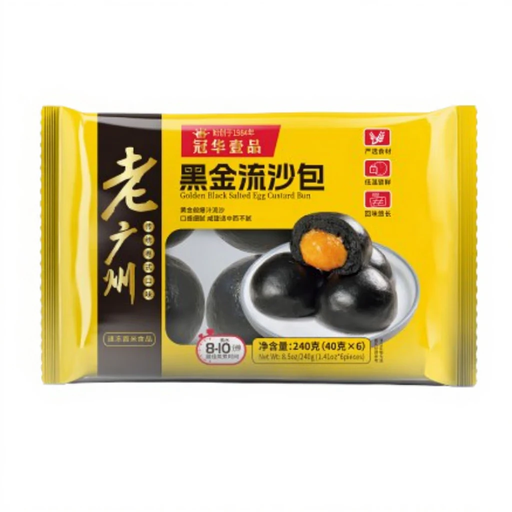
Why we recommend it?: This charcoal bao stands out with its elegant aesthetic, featuring black dough accented with touches of gold. The filling makes up 55?% of the product—a generous ratio that promises an exceptionally molten centre. The recipe balances the sweetness and saltiness of the egg yolk, offering a rich taste experience.
Pros?:
Who is this product for?? For dim sum enthusiasts who appreciate a modern, refined presentation without compromising on the indulgent, molten core.

Why we recommend it?: Freshasia offers a version where the filling reaches an impressive 60?%, with 8?% salted egg yolk. The brand, well-known in the UK for its Asian products, focuses on an authentic flavour that's close to what you'd find in Hong Kong restaurants. The dough, also made with bamboo charcoal, is designed to remain soft and elastic after steaming.
Pros?:
Who is this product for?? For purists and those nostalgic for Hong Kong tea houses, who are primarily seeking authentic taste and an extra-generous filling.
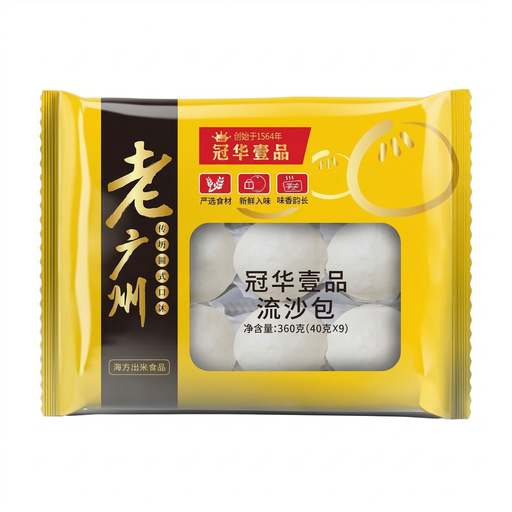
Why we recommend it?: This option from Guanhua Yipin comes in a more classic, family-friendly format. The recipe highlights a 15?% content of salted duck egg yolk, an ingredient traditionally used for its richness. It's a reliable choice for those who prefer the molten egg yolk bun in its simplest, most comforting form.
Pros?:
Who is this product for?? For families and anyone looking for a simple, effective, and delicious product for regular enjoyment.
The sweet-and-savoury balance of salted egg yolk is a flavour profile that is winning over more and more fans. If this combination intrigues you beyond steamed buns, other culinary creations are exploring this bold pairing. The world of frozen desserts, for example, has embraced this trend to offer new taste experiences.
For the more adventurous, our selection of Salted ice cream could lead to surprising discoveries and broaden your culinary horizons.
The recommended method is steaming. It's generally not necessary to defrost the bao beforehand. Place them in a steamer basket lined with parchment paper, leaving space between them. Steam over boiling water on high heat for 8 to 12 minutes, depending on the size of the buns. The bao should be plump and piping hot in the centre. Always refer to the package instructions for the best results.
These two buns are popular in Cantonese cuisine, but their fillings differ. The liu sha bao (literally "flowing sand bun") is made with salted egg yolk, butter, and sugar, which gives it its famous molten core that is both sweet and savoury. The nai wong bao, on the other hand, is a classic custard bun, made without salted egg yolk. Its filling is creamy but generally not molten.
While possible, reheating a steamed bao in the microwave is not recommended. It tends to dry out the dough and make it rubbery, ruining the soft, fluffy texture achieved by steaming. If you have no other choice, place the bao on a plate with a teaspoon of water and cover it with a microwave-safe lid or pierced plastic wrap. Heat in short 20- to 30-second bursts. Steaming remains by far the best method.