
Livraison le jour même ou le lendemain

Qualité garantie

Débloquez vos offres de bienvenue: Livraison GRATUITE | Jusqu'à -80 % | 30 jours d'essai gratuits à JoyPlus
Téléchargez l'application
A coffee stain on a white shirt, mud on a child’s trousers or a stubborn odour in sportswear cannot all be treated in the same way. Yet many products promise to be versatile, effective at low temperatures and suitable for all fabrics.
To choose the right laundry stain remover, it is best to look closely at the format, recommended temperature, fibre compatibility and precautions shown on the label. Here are the criteria to consider before buying a fabric stain remover, laundry disinfectant or whitening booster.
Bleach and certain chlorine-based products can whiten or disinfect surfaces, but that does not make them suitable for clothing. La Croix products designed for floors, worktops, toilets or sinks must not be used on fabrics unless the manufacturer explicitly permits it.
A colour and whites stain remover based on oxygen-based bleaching agents is generally intended for a different purpose. It is added to the detergent and must be used according to the recommended dosage.
The claim ‘effective at 20 °C’ applies to specific usage conditions. It does not guarantee that the product is suitable for every garment. Wool, silk, leather, waterproof fabrics and items requiring dry cleaning need particular care.
Always check the garment’s care label before pre-treating it. Testing the product on a small, hidden area can also reduce the risk of colour fading.
Oxygen-based bleaching agents, enzymes and certain disinfectants may irritate the eyes or skin. Some products are even classified as corrosive or irritant. Wear gloves whenever recommended on the label, keep the product out of children’s reach and never mix different cleaning products, particularly chlorine-based products with acids or ammonia.
To reduce energy consumption, many households use programmes at 20 or 30 °C. Some products claim to be effective from 20 °C, including on short cycles. However, this claim does not guarantee the same result in every situation: the type and age of the stain, the dosage and the fabric also play a role.
Skip Active Clean tablets are designed for use from 30 °C and are particularly intended for light-coloured and white fabrics. Depending on the size of the laundry load and the hardness of the water, you may need to use one or two tablets.
In particular, check for the following information:
A fabric whitener intended for white laundry should not automatically be used on coloured clothing. Conversely, a stain remover described as colour-safe does not necessarily replace a formula designed to brighten whites.
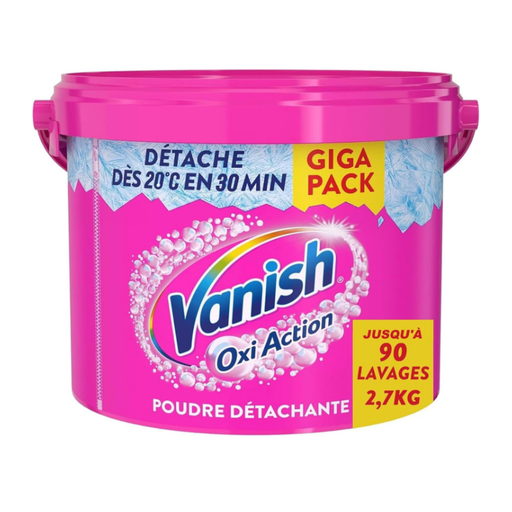
Why it fits the brief: A large format designed for frequent washing and families who want to treat their coloured laundry regularly.
The product information states that it can be used from 20 °C and helps prevent colour fading. However, the dosage must still be followed to avoid waste.
A 2.7 kg format, oxygen-based bleaching agents and a dosing scoop with a scrubbing head for pre-treatment.
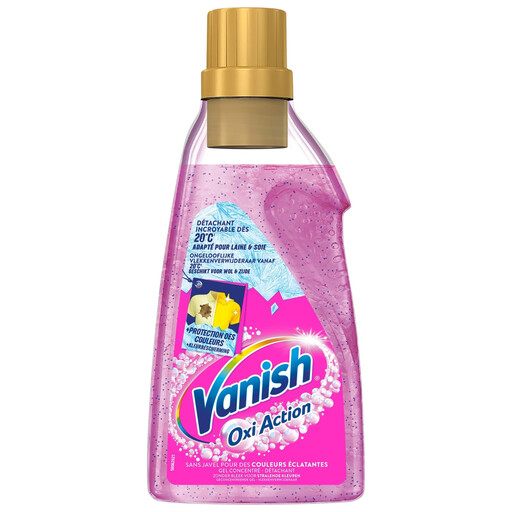
Why it fits the brief: The gel is described as suitable for wool and silk, provided you follow the garment’s care label and the product instructions.
Its dosing nozzle with scrubbing head lets you target the stain rather than treating the entire garment evenly.
A formula described as bleach-free, suitable for use in the washing machine or as a pre-treatment according to the instructions.
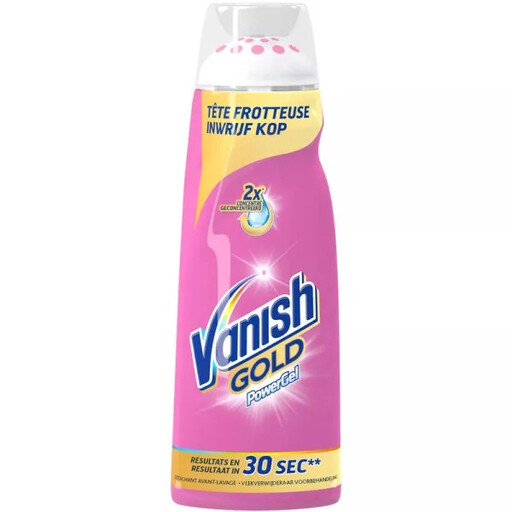
Why it fits the brief: Its nozzle lets you target a specific stain on everyday clothing before putting it in the washing machine.
The stated contact time is no more than five minutes, so do not let the product dry on the fabric.
The product information mentions a bleach-free formula for colours and whites, with targeted application.
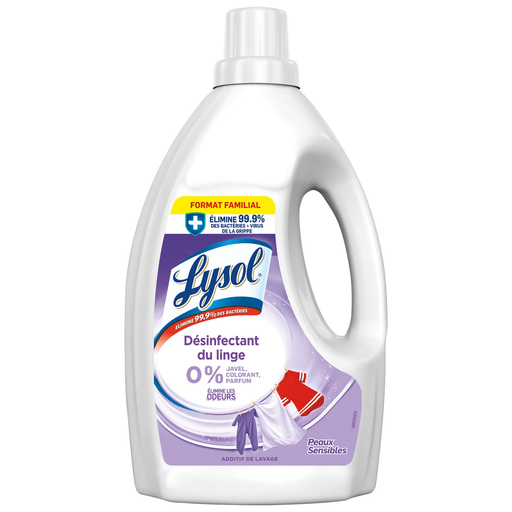
Why it fits the brief: A formula described as free from dyes and fragrance, particularly suitable for sportswear, underwear and children’s clothing.
The formula is bleach-free, but it is still a biocide: follow the dosage, label instructions and handling precautions.
The product information states that it can be used at low temperatures, from 20 °C against bacteria, and is suitable for white and coloured fabrics.
Powders and gels whose product information states that they are effective at 20 °C may be suitable for cold or low-temperature programmes. However, the result depends on the stain, fabric and dosage. For products not designed for use at 20 °C, follow the minimum temperature stated on the packaging.
Yes, some products are described as suitable for colours and whites. However, check the exclusions, test the product on a hidden area and follow the recommended dosage. Formulas designed solely to brighten whites should not automatically be used on coloured clothing.
No, it is not always necessary. A bleach-free laundry disinfectant may be suitable for a specific need, such as certain sportswear or laundry requiring biocidal action. Use it only according to the label instructions, and do not confuse it with a simple stain remover or laundry detergent.