
Livraison le jour même ou le lendemain

Qualité garantie

Débloquez vos offres de bienvenue: Livraison GRATUITE | Jusqu'à -80 % | 30 jours d'essai gratuits à JoyPlus
Téléchargez l'application
Do you wash your sportswear or baby bibs, only to find a stubborn smell of sweat or dampness lingers once they're dry? It's a common problem, especially with low-temperature washes. The shelves are packed with solutions, but not all are created equal. Some products merely mask odours with a fleeting scent, while others promise perfect hygiene without ever tackling the root of the problem: bacteria.
Before you make a decision, here are two traps to avoid:
This guide is here to help you see clearly and choose a product that will leave your laundry and your washing machine impeccable.
To make the right choice, focus on a few key points that make all the difference.
Washing at 30°C or 40°C is an excellent habit for preserving delicate textiles and saving energy. The problem? These temperatures are rarely high enough to eliminate the bacteria and fungi responsible for bad odours. A good laundry sanitiser must be specifically formulated to work effectively from as low as 20°C, ensuring flawless cleanliness without damaging your favourite clothes. This is essential for sportswear, baby clothes, or textiles that come into contact with pets.
The key difference lies in how they work. A simple fabric freshener just masks an odour, whereas a disinfectant additive attacks the root of the problem. It neutralises and eliminates the microorganisms that thrive in damp fibres, which are responsible for smells of sweat, must, or damp. For a lasting result, look for a product whose primary mission is to eliminate bacteria, not just to add a scent.
Did you know that bad odours can also come from your washing machine? A biofilm—a mix of detergent residue and bacteria—can form in the machine's crevices and contaminate every new load. Some laundry sanitisers pull double duty: they sanitise your textiles while also tackling the washing machine biofilm. A convenient 2-in-1 solution for maintaining perfect hygiene and ensuring the long-term freshness of your laundry.
Rather than an endless list, here are our targeted recommendations to help you find the perfect solution for your daily needs.
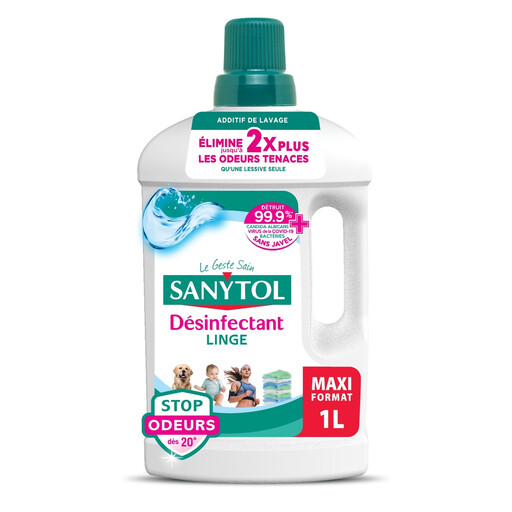
Who is it for? Ideal for families with young children or pets, and for anyone who prefers low-temperature washes. It perfectly meets the need for impeccable hygiene for underwear, towels, and bed linens.
This is not just a perfume. Its formula directly attacks the microbes that cause bad odours, rather than simply masking them. It treats the problem at its source.
Effective from 20 °C, it disinfects delicate laundry without damaging it and helps maintain the washing machine by fighting biofilm.
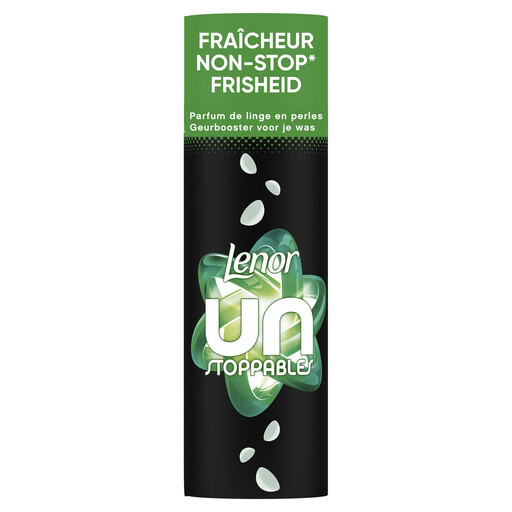
Who is it for? For anyone seeking an intense and lasting burst of freshness, especially for sportswear or household linens. It's the ideal complement to a good detergent and sanitiser.
It doesn't claim to disinfect, but it excels at its mission: infusing laundry with a powerful, long-lasting scent. The beads dissolve to deeply permeate the fibres, ensuring long-lasting freshness.
The scent intensity is customisable: just adjust the quantity of beads. The freshness can last for up to 12 weeks in the wardrobe.
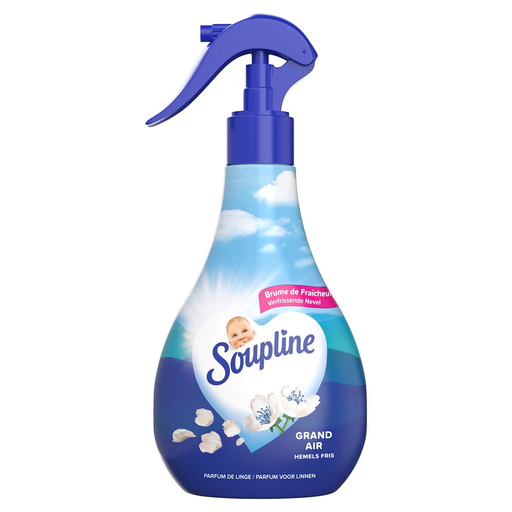
Who is it for? Perfect for instantly refreshing lightly worn clothes, curtains, or a fabric sofa between washes. It's the express solution for getting rid of cooking or musty smells.
Its purpose isn't for in-wash use. It's a specific tool for a targeted job: refreshing textiles when dry, with no false promises of deep disinfection.
Its formula is safe for all types of fabrics, including delicates like wool. Its spray format ensures quick and easy application without leaving marks.
We have compiled a complete and up-to-date list of products that meet our strict selection criteria and current regulations.
Not necessarily, but its use is highly recommended for:
For everyday clothes that aren't heavily soiled, a good detergent is perfectly sufficient.
This stubborn odour often comes from a bacterial biofilm. To get rid of it, run an empty, high-temperature cycle (90°C) with a dedicated machine cleaner or two large cups of white vinegar in the drum. Regular use of a laundry sanitiser like Sanytol, which also acts on this biofilm, will help prevent these odours from returning. Also, remember to leave the machine door and detergent drawer open between washes to allow moisture to evaporate.
Most sanitisers today are formulated to minimise the risk of allergies. However, if you or a family member has very reactive skin, opt for products labelled "hypoallergenic" or "dermatologically tested". Always read the ingredient list to check for known allergens (certain fragrances, for example) and strictly follow the recommended dosages. If in doubt, an extra rinse cycle can help remove any final residues.