In a small home, a washer-dryer is a good option if you can only fit one appliance on the floor and your laundry loads are within its drying capacity, which is generally lower than its washing capacity. If your space and installation conditions allow, it’s worth comparing two stacked appliances, particularly if you often have large loads to dry. An indoor airer, meanwhile, needs a suitably large, well-ventilated room or one with an extractor, as recommended by ADEME. For a washer-dryer, UFC-Que Choisir also highlights drying time and water consumption, so check the figures for the full cycle before choosing.
Which solution is right for you?
Homes with space for just one floor-standing appliance
In a studio flat, kitchen or bathroom where two appliances won’t fit, a washer-dryer lets you wash and dry in the same spot. Pay particular attention to the installation depth and how much laundry you want to dry without having to remove some of the load.
Homes that often dry large loads
If you regularly put sheets, towels or successive loads through the tumble dryer, compare the drying capacity of the options you’re considering. A stacked installation needs enough height and suitable installation conditions, but it may meet a need that a washer-dryer’s drying capacity can’t.
People with a ventilated space for an airer
Air-drying is still an option if you can hang your laundry in a large, well-ventilated room or one with an extractor. ADEME highlights the moisture released into the home by drying laundry indoors.
What should you check before choosing?
Start by checking how much space you really have, then compare the load to be dried and the conditions needed for each option.
Washer-dryer
Worth considering: when you can fit just one floor-standing appliance and your loads are within the limit for the drying programme you choose.
The trade-off: UFC-Que Choisir notes that drying capacity is lower than washing capacity, drying takes longer than with a conventional tumble dryer, and water consumption needs to be considered.
Two appliances, stacked if needed
Worth considering: if you often dry large loads and can install two appliances in line with their instructions.
The trade-off: even when stacked, they need enough height and suitable access, as well as an installation that works with the appliances you choose.
Indoor airer
Worth considering: if you have a large, well-ventilated room or one with an extractor where you can leave laundry to dry.
The trade-off: ADEME says air-drying laundry releases a lot of moisture indoors; a small, closed room doesn’t meet its recommendations.
| Criterion |
What to check |
What I need |
| Available space |
Measure the space, access routes and clearances specified in the instructions. If stacking two appliances, check the height and installation requirements too. |
I only have floor space for one machine, or I can make use of the height without restricting access to the appliances. |
| Load to be dried |
Check the washing and drying capacities separately for the exact model. For the washer-dryers reviewed by UFC-Que Choisir, the drying capacity is lower than the washing capacity. |
If I want to wash and dry without removing any laundry, my load must be within the drying capacity of the programme I use. |
| Cycle times |
Compare the full wash-and-dry cycle time with how much time you have; don’t confuse it with the time for a short programme for a small load. UFC-Que Choisir reports that drying takes longer than with a conventional tumble dryer. |
My laundry needs to be dry before the next wash: how long can I leave the machine running? |
| Water and energy |
For a washer-dryer, check the figures for the full cycle as well as washing alone on the energy label, including energy per 100 cycles and water per cycle. Compare figures based on the same criteria; UFC-Que Choisir also notes that many models use water during drying. |
I want to take account of how I’ll actually use the drying function, rather than choosing based only on the washing energy rating. |
| Ventilation |
For an indoor airer, ADEME recommends a large, well-ventilated room or one fitted with a mechanical ventilation (MV) extractor vent. |
I need somewhere to leave laundry to dry without putting it in a small, enclosed room. |
What should you watch out for?
-
Assuming washing and drying capacities are the same
A washer-dryer may be able to wash a load that it can’t fully dry in one continuous cycle. UFC-Que Choisir highlights this difference, as shown by the separate capacities published for the Bosch and Electrolux models mentioned below.
Compare your usual load with both capacities for the exact model. If you want to run a cycle without removing any laundry, stick to the drying capacity.
-
Relying on the washing energy rating alone
That rating alone doesn’t tell you how the full cycle performs. UFC-Que Choisir specifically draws attention to the time and water used when washer-dryers dry laundry.
Compare energy, water and wash-and-dry cycle time figures on the energy labels of models with similar capacities.
-
Measuring the width but not the depth
A machine may not fit in the space you’ve planned for it, or there may not be enough room for the door to open and the connections. For example, Electrolux gives a maximum depth of 658 mm for the EW7IW4966BG.
Measure the space and access routes, then check them against the dimensions and clearances required in the instructions for your chosen model.
-
Putting an airer in a small, enclosed room
ADEME says that air-drying laundry releases a significant amount of moisture into the home.
Choose a large, well-ventilated room or one with an MV extractor; otherwise, reconsider how you’ll dry your laundry.
Which ranges should you compare?
These brand examples show configurations worth comparing; the specifications mentioned apply to the models named, not every machine in a range.
Bosch
The French product page for the WNA144V0FR describes a washer-dryer for anyone looking to combine both functions in one appliance.
- Bosch lists a 9 kg washing capacity and a 5 kg drying capacity for the WNA144V0FR.
- This means a load washed at maximum capacity can’t be dried completely in one cycle at the stated drying capacity.
Electrolux
The EW7IW4966BG lets you compare drying capacity and dimensions using the specifications for a specific model.
- Electrolux lists a 9 kg washing capacity, a 6 kg drying capacity and a maximum depth of 658 mm for this model.
- The product page gives it an A rating for washing and a D rating for the wash-and-dry cycle, so don’t rely on the first rating alone to assess the full cycle.
LG
LG France offers washer-dryers and a WashTower, making it useful to compare a single appliance with two functions installed in a column.
- LG lists a 12 kg washing machine and a 10 kg tumble dryer for the WashTower F214WT8PB.
- This stacked set-up isn’t a washer-dryer with a single drum; check the height, access and installation requirements before considering it.
Samsung
The French range includes washer-dryers with washing and drying capacities listed separately.
- Samsung France features configurations including 11 kg washing and 6 kg drying capacities, as well as 9 kg and 6 kg.
- These capacities don’t tell you about the programmes, dimensions or energy and water use of every model, so check the specifications for the one you’re considering.
Washer-dryers to consider on Joybuy
These models represent the ‘one appliance for washing and drying’ option for homes with limited floor space. First compare their drying capacity with your usual loads, then check the installation dimensions and the energy label for the full cycle.
 Image unavailable
Samsung WD11DG6B85BEU3 — 11/6 kg washer-dryer
If you want to wash and dry with a single appliance, compare your loads with its stated capacities of 11 kg for washing and 6 kg for drying: a maximum washing load is larger than its drying limit. Check the energy label for the exact model for full-cycle figures, and consult the instructions for the space needed for installation.
View on Joybuy
 Image unavailable
Samsung WD10HG6U34BEU3 — 10/6 kg washer-dryer
This washer-dryer has a washing capacity of 10 kg and a drying capacity of 6 kg, so reduce the initial load if you want to run both functions without removing any laundry. Check the dimensions in the instructions, and the energy and water use and full-cycle time on the model’s energy label.
View on Joybuy
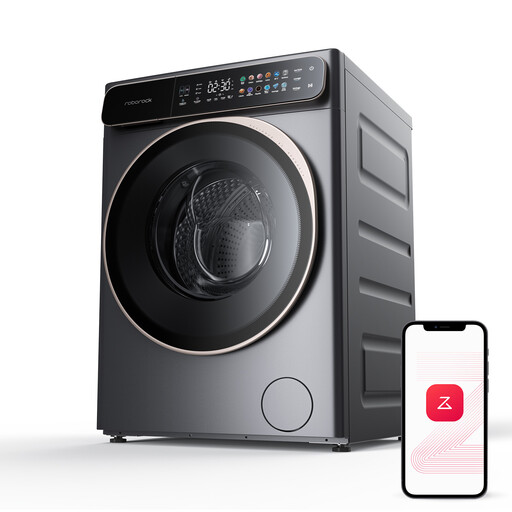 Image unavailable
Grey Roborock Zeo One — 10/6 kg washer-dryer
Its stated capacities of 10 kg for washing and 6 kg for drying make it a single-appliance option, but it can’t fully dry a maximum washing load. Before choosing it for a tight space, check its dimensions and the water, energy and full-cycle time figures.
View on Joybuy
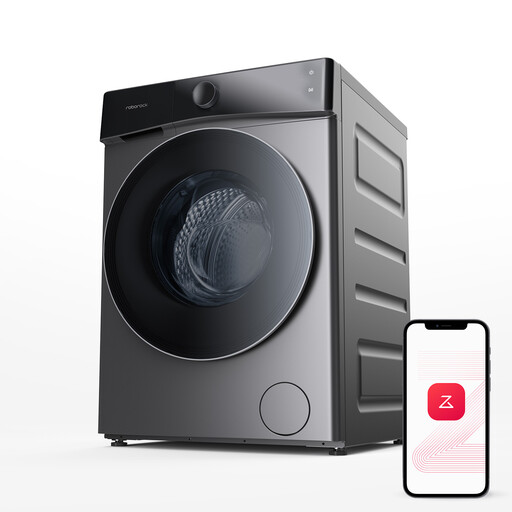 Image unavailable
Grey Roborock Zeo Lite — 10/6 kg washer-dryer
This model combines washing and drying in one appliance, with a stated washing capacity of 10 kg and a drying capacity of 6 kg. If you plan to run a full cycle, first compare the 6 kg drying capacity with your usual load, then check the dimensions, energy and water use, and cycle time for this model.
View on Joybuy
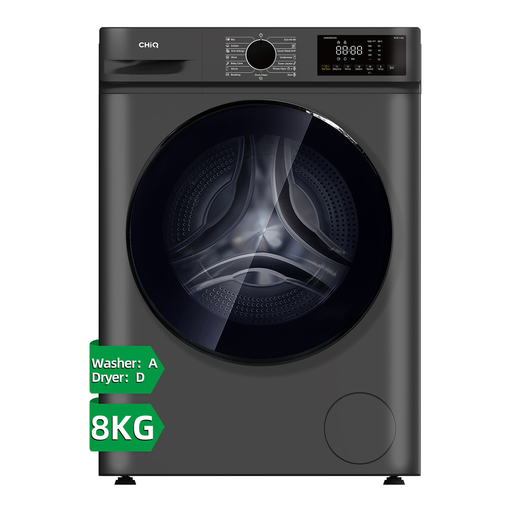 Image unavailable
CHiQ JW85882HG — 8/5 kg washer-dryer
With a stated washing capacity of 8 kg and a drying capacity of 5 kg, you’ll need to consider the drying load when filling this washer-dryer. The stated width measurements conflict, so check all the dimensions in the instructions before deciding whether it will fit your space. Also compare the full-cycle figures on the model’s energy label.
View on Joybuy
Frequently asked questions
Can you wash 9 kg and then dry the whole load without doing anything?
Not with a model limited to 5 or 6 kg for drying: Bosch lists a 9/5 kg capacity for the WNA144V0FR, and Electrolux lists 9/6 kg for the EW7IW4966BG. To run both functions without removing any laundry, load the machine in line with the drying capacity of the programme you choose.
What should you compare on a washer-dryer’s energy label?
Compare the figures for the full wash-and-dry cycle, including capacity, energy and water use, and cycle time, then distinguish them from the washing-only figures. The European Commission explains this energy labelling information; the washing energy rating alone doesn’t tell you how the full cycle performs.
Can an indoor airer replace machine drying?
Yes, if you have a suitable space and are happy to wait for your laundry to dry. ADEME recommends a large, well-ventilated room or one with a mechanical ventilation extractor vent, as drying laundry indoors releases a lot of moisture.


