
Livraison le jour même ou le lendemain

Qualité garantie

Débloquez vos offres de bienvenue: Livraison GRATUITE | Jusqu'à -80 % | 30 jours d'essai gratuits à JoyPlus
Téléchargez l'application
A large outdoor planter has the power to transform a patio, garden, or balcony. Yet, the experience too often ends in disappointment. A pot that cracks at the first frost, colours that fade to a dull shade after a single summer, plants that wither and die from poor drainage… these setbacks are all too common. Before you invest, it's crucial to see through the marketing traps and focus on what truly matters.
This guide gives you all the keys to choosing a planter or pot that is beautiful, durable, and perfectly suited to your plants—without throwing your money away.
The market is flooded with products making tempting promises. Here are three things to watch out for to avoid buyer's remorse:
To make the right choice, three technical criteria must be scrutinized. They are what determine the longevity and suitability of your planter.
The choice of material influences not only the look but also the weight, sturdiness, and maintenance.
For a long-lasting investment, two guarantees are essential:
Good drainage prevents water from stagnating and suffocating the roots. Check the following points:
Rather than an exhaustive list, here are options that meet specific needs, selected for their durability and smart design.
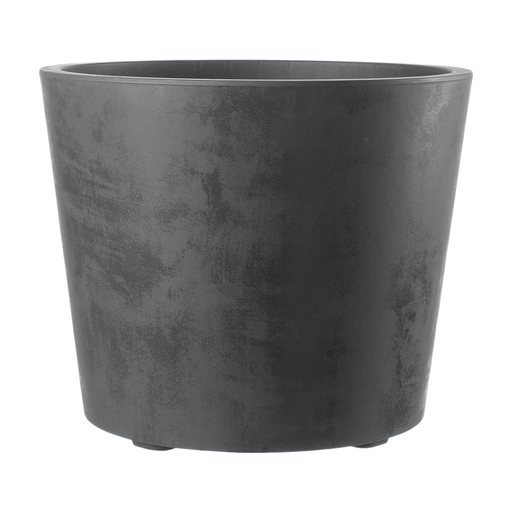
Why we recommend it: On a balcony, weight and mobility are decisive factors. This large pot combines a lightweight material, integrated wheels for effortless moving, and a water reservoir that simplifies watering.
Made from recycled polymer, it's designed to be frost and UV resistant: goodbye to cracks and fading. The removable plug ensures controlled drainage and protects roots from suffocation.
The combination of wheels, a water reservoir, and durable construction makes it an ultra-functional, all-in-one solution for balconies and patios where every inch counts.
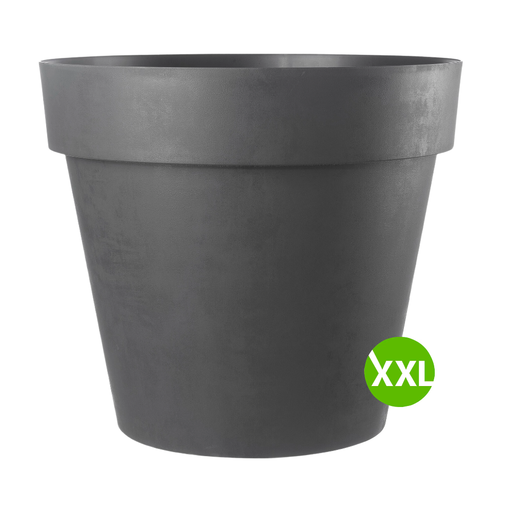
Why we recommend it: For those looking to landscape a large space with shrubs or bulky plants, this 79 cm pot offers the necessary volume. Its eco-friendly commitment (recycled and recyclable material) is a real plus for the footprint-conscious gardener.
Its high-quality injection-moulded plastic construction guarantees excellent robustness against frost and UV rays, saving you from unpleasant surprises. The base is pre-drilled to ensure optimal drainage right from the start.
A very large volume in a durable and environmentally friendly material: it's the long-lasting, no-compromise solution for ambitious planting projects.
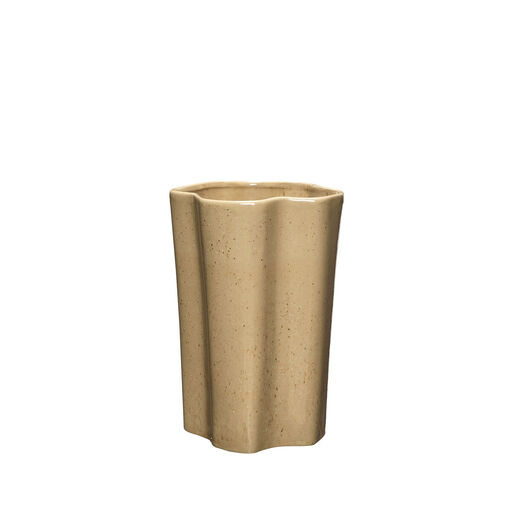
Why we recommend it: For those seeking a unique **decorative vase** rather than a planting pot. This ceramic model with organic shapes is a sculptural piece that elevates an interior, perfect for dried flowers or as an art object.
Its purpose is crystal clear: it's an interior decor item, which prevents any misuse. Neither frost-resistant nor drilled for drainage, it fully embraces its function as an indoor cachepot or vase.
A distinctive design and quality finish that bring a touch of rustic ceramic vase and natural style, clearly setting it apart from purely functional containers.
Explore our full selection of products that meet our criteria for quality and durability.
Look explicitly for the mention "UV-resistant" or "UV-treated" on the product page. This means the plastic has been mass-treated with additives that protect its colour. Reputable brands always state this clearly.
Yes, it's a very practical option, especially on a balcony or patio. However, it is crucial that the system has an overflow. This mechanism allows excess rainwater to escape, preventing the roots from sitting in water permanently and eventually rotting.
The difference is simple and crucial: drainage. A flower pot is designed to directly hold soil and the plant; it must therefore have one or more holes for water to drain. A cachepot, as its name suggests, is used to dress up a more basic nursery pot. It has no hole and is not meant for direct planting, as water would stagnate inside.