Households with laundry baskets that are always full
If you want to wash everyday laundry in fewer loads, the capacity you can actually use is a key consideration. UFC-Que Choisir points out that the maximum load varies by programme.


If you regularly wash large loads, a high-capacity front-loading washing machine is the best option, provided it fits your space and the programmes you choose can actually handle those loads. If limited width means you need a top-loader, bear in mind that its capacity is generally lower and check the load limits for each programme. ADEME recommends choosing a capacity that suits your actual needs and comparing the information on the energy label.
If you want to wash everyday laundry in fewer loads, the capacity you can actually use is a key consideration. UFC-Que Choisir points out that the maximum load varies by programme.
Check that each bulky item will fit in the drum and is suitable for the programme you plan to use, rather than relying on the stated maximum weight alone. UFC-Que Choisir notes that load limits vary depending on the cycle and fabric.
If you have a lot of laundry but limited width, a top-loader may suit your space. However, you’ll need to weigh up its smaller footprint against the capacity per cycle. UFC-Que Choisir explains the difference between these configurations.
Start with your usual loads and the dimensions of the space, then check the programmes and compare consumption figures on a like-for-like basis.
| Priority | What to check before buying | Who it matters to |
|---|---|---|
| Cut down on everyday wash cycles | Consider the weight and frequency of your usual loads, and check the load limit for the programme you use. | I want to combine my everyday washing into fewer loads. Around 29% of consumers put this need first. |
| Wash bulky items | Check the care instructions for the fabric, the programme to use and its maximum load in the model’s manual. | I regularly wash duvets or throws and want to know if the machine can handle them. Around 24% of consumers prioritise bulky items. |
| Fit the appliance into the space | Measure the width, depth and height, as well as the access route, door or lid opening and space for the connections. | I have limited width and need to check the appliance’s footprint and the space needed to open it. Around 18% of consumers are guided first and foremost by this constraint. |
| Match cycles to different fabrics | Check which fabrics are suitable, the maximum load and the duration of the programmes you use most. | I often sort fabrics or wash loads of different sizes. Around 17% of consumers prioritise having cycles to suit different needs. |
| Compare consumption and use over time | Compare kWh per 100 cycles, litres per cycle and spin noise on the energy label. Also check the model’s durability information. | I want to weigh up consumption, noise and expected lifespan before choosing. Around 12% of consumers make this their top priority. |
Synthetic, delicate and wool programmes may have lower load limits than the stated capacity. UFC-Que Choisir recommends checking the limits for each programme.
Compare the programme table for each model with the fabrics you wash regularly.
The benefits of a larger capacity depend on how often you actually wash large loads. ADEME recommends checking that the capacity matches your needs. A larger capacity alone does not guarantee lower consumption.
Start with the size and frequency of your loads, then compare the energy label figures for the programmes you’ll use.
A narrower design may come with a lower stated capacity than a large front-loader. UFC-Que Choisir notes that top-loaders generally have a smaller capacity.
Check the dimensions, the space needed to open the lid and how often you might need to split a load across multiple cycles.
The reference cycle duration, water use per cycle and spin noise give you more to compare. The energy label and model-specific information help you assess these factors without assuming they apply to every programme.
Compare the detailed figures on the energy labels and check the durability index for each model you’re considering.
High-capacity front-loaders may be worth considering if you regularly wash large everyday loads. LG France lists the LG F14R15WHS as having an 11 kg capacity.
According to Haier France, the X Series 11 HW100-BD14397PGU1 is a 10 kg front-loader with several programmes for different load types.
According to Bosch Home Appliances France, the Série 8 WGB256A2FR is a 10 kg front-loader with a maximum spin speed of 1 600 tr/min.
According to Electrolux France, the PerfectCare 600 EW6T5137AG top-loader may be worth considering when width is limited.
Whirlpool France lists the TDLR7251FR as a 7 kg top-loader.
This selection features high-capacity front-loading washing machines to consider for larger everyday loads, provided the programme you choose can handle them.
 Image unavailable
Its stated 10 kg capacity may suit combined everyday loads, provided the programme you choose can handle them.
Listed features: 1 400 tr/min, A energy rating, AutoDose, steam and Wi-Fi.
The load limit depends on the programme. Check the manual for guidance on fabrics and bulky items.
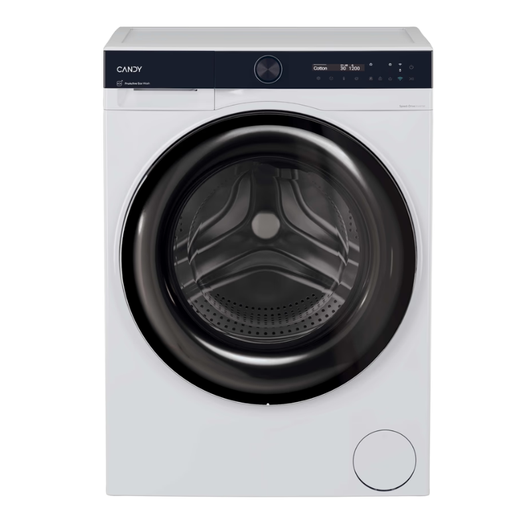 Image unavailable
This stated capacity may suit households that combine everyday loads, subject to the limits of the programme used.
Listed features: 1 400 tr/min and A energy rating.
Check the manual for the load limit for your usual fabrics.
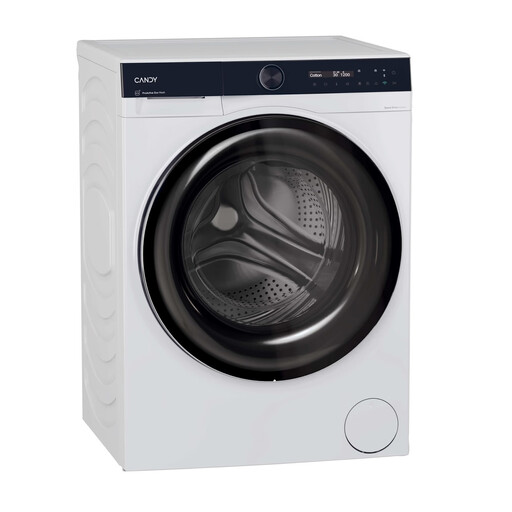 Image unavailable
Its stated 12 kg capacity may be worth considering for larger everyday loads, if it fits your space and the cycle you choose can handle the load.
Listed features: 1 400 tr/min, A energy rating, Wi-Fi, Bluetooth and steam.
The nominal capacity may not apply to every fabric, so check the manual.
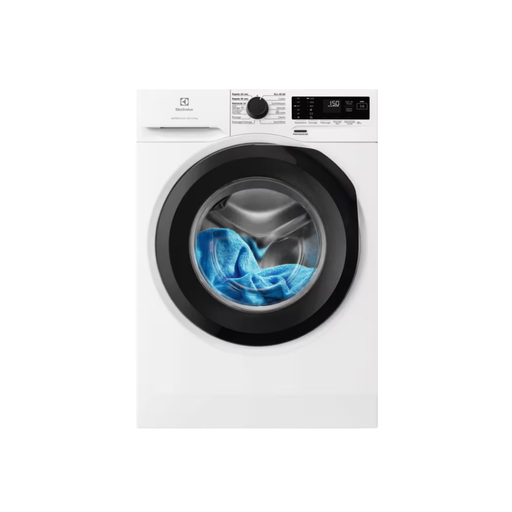 Image unavailable
Its stated capacity may be worth considering if you want to combine everyday laundry, taking into account the programme and the load you’ll actually wash.
Listed features: steam, TimeSave and an Inverter motor.
Check the model’s documentation for its programmes and load limits.
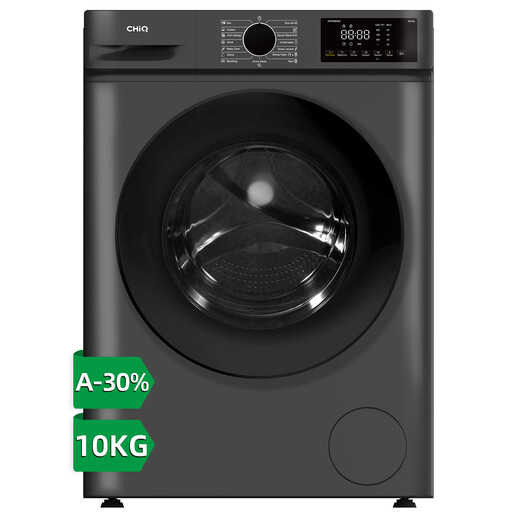 Image unavailable
Its stated 10 kg capacity may suit combined everyday loads, provided the selected programme allows them.
Listed features: A-30% energy rating, 530 mm drum, 1 400 tr/min, 16 programmes and steam.
Check the load limits for each cycle before planning to wash bulky items.
No. The maximum capacity may vary by programme. Check the load table in the manual for your chosen model before working out how many cycles you’ll need. UFC-Que Choisir points out that programmes for other fabrics may have significantly lower load limits.
Compare the figures on the European energy label on a like-for-like basis: electricity in kWh per 100 cycles, water in litres per cycle and spin noise. These figures relate to the “eco 40-60” reference programme and don’t cover every type of use. Your results will also depend on the loads and cycles you choose.
Measure the space and access route, then allow enough room for the door or lid to open and for the connections. Before using the machine for the first time, follow the manual for your model, especially the instructions for the transit bolts, water supply, drainage and levelling.
In France, the durability index has applied to front-loading and top-loading washing machines since 8 April 2025. Its score out of 10 combines repairability and reliability criteria. Availability information covers certain parts, not every possible repair. Check the index details and the manufacturer’s information for the model you’re considering.
ADEME advises against using too much detergent, as this can cause residue to build up in the machine. Leave enough room in the drum for the laundry to move around, too. Also follow the maintenance instructions in your model’s manual.