What should you check?
Start with how much you’ll actually use, then compare the sauces by reading their labels. The ingredients and storage instructions after opening can help you choose between two jars of a similar size.
| Criteria |
What to check |
Who is it for? |
| Quantity and leftovers |
Net weight in grams and storage instructions after opening. |
If I’m serving several people from one jar, I also want to be able to use up what’s left. Around 42% of consumers prioritise finding a pack size that suits their needs. |
| Nutritional comparison |
Nutritional information per 100 g, including sugars, fat and salt; Nutri-Score if it’s displayed on the sauces being compared. |
If I’m comparing two tomato sauces for the same meal, I want to see how they differ rather than relying on the word “healthy”. Around 33% of consumers prioritise this. |
| Ingredients and allergens |
Ingredients list, highlighted allergens and any “may contain” statements for the specific recipe. |
If certain ingredients aren’t suitable for my household, I need to check the recipe before choosing a jar size. Around 25% of consumers prioritise this check. |
Brands to compare
These examples give you specific pack sizes and recipes to compare, but the brand name is no substitute for checking the label on the jar you choose.
Panzani
Several of the brand’s tomato sauces come in different pack sizes, including 650 g jars of its Tomates Cuisinées, Provençale and Tomates Basilic sauces.
- A 650 g jar may suit a shared lunch if you plan to use up the sauce.
- Panzani gives these products a Nutri-Score A. Check the current packaging and storage instructions after opening rather than judging the balance of your meal on this information alone.
Barilla
Barilla’s Tomates Cuisinées sauce comes in a 400 g jar.
- This size lets you choose a smaller amount if a large jar would leave you with too much sauce.
- Barilla describes this product as gluten-free and made without added preservatives. Check these claims and the nutritional information on the jar you buy.
Carrefour
The products listed include a 420 g jar of Tomates Cuisinées Classic’ sauce and a 190 g jar of Bio aux quatre légumes sauce.
- Their pack sizes and ingredients lists let you compare two different recipes.
- The Classic’ recipe contains celery; the Bio aux quatre légumes recipe contains wheat and may contain celery, milk, mustard and sesame. A 190 g jar won’t meet the same needs as a large jar.
Marque Repère, Turini et Bio Village (E.Leclerc)
The E.Leclerc range includes 420 g jars of Turini sauces and 350 g jars of Bio Village sauces.
- These pack sizes are useful for households that don’t want to open a large jar.
- Check the ingredients and nutritional information for the specific product before comparing it with a 650 g sauce.
Sauces and tomato bases on Joybuy
This selection includes sauces in large jars, a passata for cooking with and a 400 g sauce to help you choose the right amount for your planned lunch. Passata isn’t interchangeable with an already seasoned sauce, so choose according to the dish you want to make and check the label on each product.
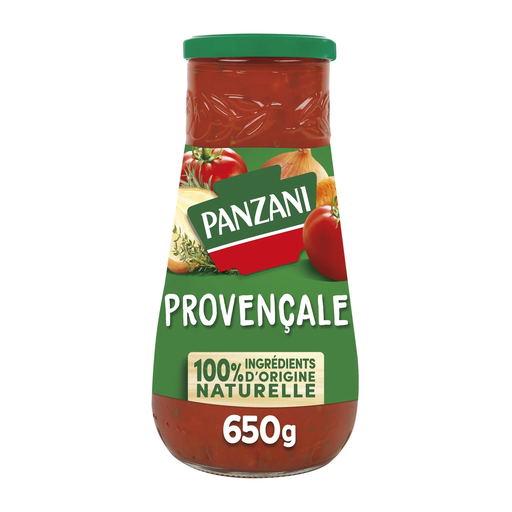 Image unavailable
PANZANI Provençal sauce, 650 g
This 650 g jar may suit a shared lunch if you plan to use up any leftovers. For this sauce, check the ingredients, nutritional information per 100 g and storage instructions on the pack you buy.
View on Joybuy
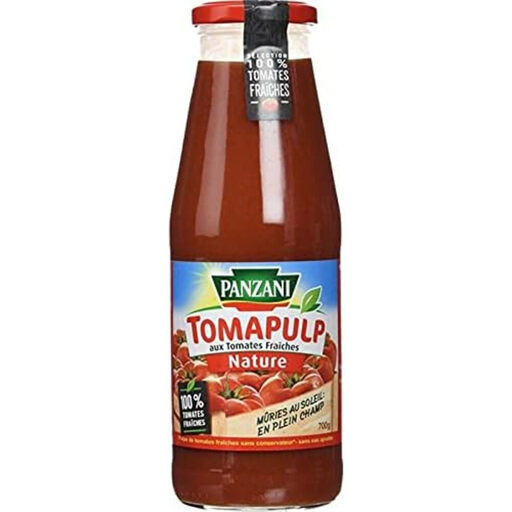 Image unavailable
PANZANI Tomacouli sauce, 700 g
Consider this 700 g jar if you plan to serve the sauce with several plates or use up any leftovers. Check the seasoning and storage instructions after opening for this product before planning your meal.
View on Joybuy
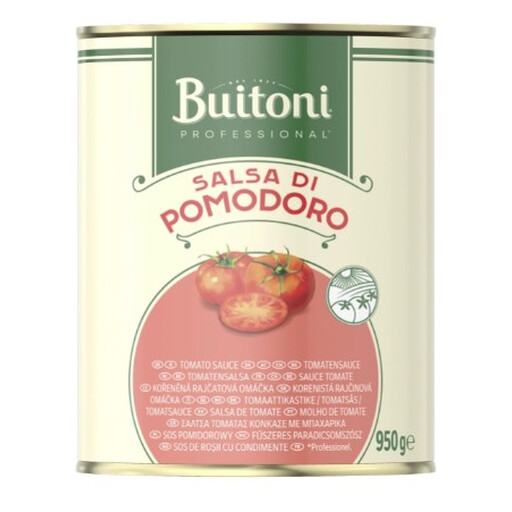 Image unavailable
BUITONI tomato sauce, 950 g
With 950 g of sauce, you’ll need to plan how much to serve and what to do with the rest. Compare the recipe and nutritional information per 100 g with other tomato sauces, then follow the storage instructions on the pack.
View on Joybuy
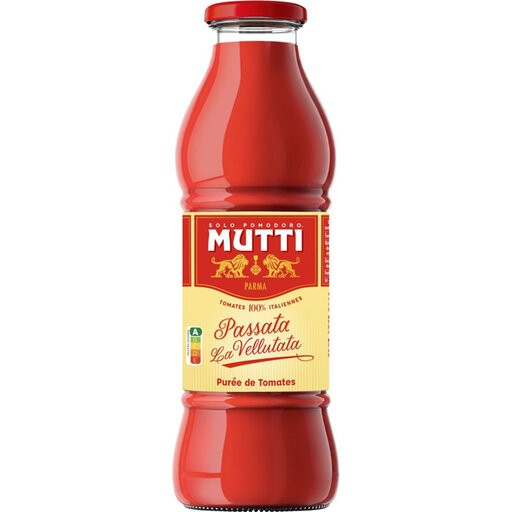 Image unavailable
MUTTI Passata la Vellutata, 700 g
This 700 g passata is better suited to anyone who wants to make their own pasta sauce than to those looking for a ready-seasoned recipe. Plan how you’d like to use it and check the storage instructions after opening.
View on Joybuy
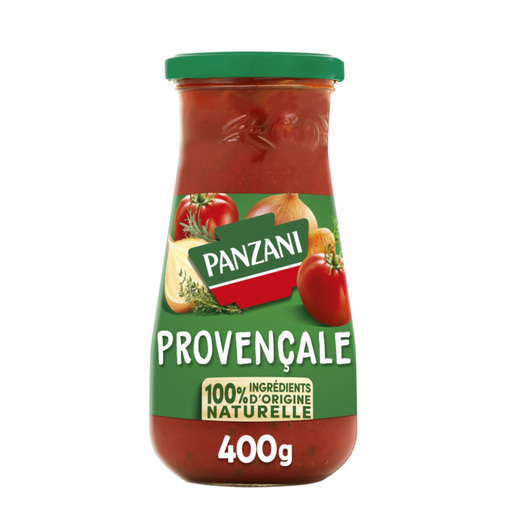 Image unavailable
PANZANI Provençale sauce, 400 g
This 400 g jar lets you choose a smaller amount if a 650 g jar would leave you with too much sauce. If you’re deciding between the two sizes, compare the amount you’ll need for your meal, then check the ingredients and storage instructions after opening for the one you buy.
View on Joybuy
Frequently asked questions
Is a Nutri-Score A enough to choose a sauce for a balanced lunch?
No. Nutri-Score doesn’t describe the balance of your whole lunch. Manger Bouger presents it as a guide for comparing products in the same category when it’s displayed. Check the sauce’s ingredients and nutritional information too, and consider the rest of your meal.
What should you look for on the label of a pre-packed pasta sauce?
Start with the net weight, ingredients list, highlighted allergens, nutritional information and storage instructions. France’s DGCCRF outlines the labelling rules that apply to pre-packed food; checking these details lets you compare the specific recipe rather than relying on the jar size alone.
How should you store a large jar of sauce after opening?
Follow the temperature and time limits shown on the pack of the product you’ve bought. Joybuy’s listing for Panzani Provençale Sauce 650 g says to refrigerate it and use it within three days of opening. Don’t assume the same instructions apply to another recipe or pack size.
Is a tomato sauce with vegetables always gluten-free?
No. The presence of vegetables doesn’t mean a sauce is free from gluten or other allergens. Carrefour lists wheat starch in its Bio aux quatre légumes sauce, along with possible traces of celery, milk, mustard and sesame. Check the label on the exact product.


