Families who often make hot chocolate
An 800 g to 1 kg pack could be a good choice if you serve several mugs over the course of your meals and have somewhere suitable to store it.


For a family dinner, choose an 800 g to 1 kg pack if you make hot chocolate regularly and can store it properly. Then compare the recipes by looking at the sugars per 100 g, the recommended serving size and any ingredients your household needs to avoid. A large pack or a high cocoa content alone won’t answer these questions. In France, Nutri-Score can provide extra information when shown, but displaying it is voluntary, according to the Ministry of the Economy.
An 800 g to 1 kg pack could be a good choice if you serve several mugs over the course of your meals and have somewhere suitable to store it.
Compare the sugars per 100 g of powder, then check how much you use in each drink. The milk you add also contributes to the finished drink.
Ingredients and allergen information matter if someone in your household avoids wheat, milk or soya, for example. Taste preferences may also help you choose between a cocoa-based recipe and one made with cereals.
If you’re serving hot chocolate at family dinners, start by considering how often you’ll make it, then check the ingredients on the exact pack you’re thinking of buying.
| What to consider | What to check | Who it matters to |
|---|---|---|
| Pack size and storage | Compare 800 g to 1 kg packs with how often you’ll use the powder, and read the storage instructions for after opening. | If I make several mugs regularly, I’d rather choose a pack my household can finish and store properly. Around 40% of consumers put this need for a larger pack at the heart of their choice. |
| Sugars and serving size | Compare the “of which sugars” figure per 100 g of powder, then check how much powder is recommended for each drink. | I want to know how much powder goes into each mug, rather than judging the recipe by its packaging. Keeping sugar in check comes first for around 30% of consumers. |
| Ingredients and taste | Read the ingredients list and allergen information for the exact pack; in particular, distinguish cereal-based recipes from other hot chocolate powders. | Before serving everyone, I need to find a recipe that suits the ingredients my household avoids or its taste preferences. This compatibility is the top priority for around 30% of consumers. |
The size of the pack doesn’t tell you what’s in the recipe. Product listings for Poulain Grand Arôme and Banania Original give sugar contents of 67 g and 69 g per 100 g of powder respectively; Auchan’s listings show 75.1 g for Nesquik and 75 g for Cao Kido.
Compare the nutritional values per 100 g and take into account how much powder you use in each mug.
According to the Ministry of the Economy, displaying Nutri-Score is voluntary in France. The DGCCRF explains that prepacked foods must carry a nutrition declaration, subject to the applicable exemptions.
If the pack displays a Nutri-Score, use it as additional information; also read the nutritional values and ingredients list.
Banania Original contains wheat and barley, among other ingredients, while the Nesquik listing specifies soya lecithin. Other products may mention milk or the possible presence of traces of allergens.
Check the ingredients and precautions on the exact pack before serving it to anyone who needs to avoid certain ingredients.
These products show how pack sizes and recipes can differ; always check the label on the variant you choose.
An Auchan listing features a large-format Nesquik powder, advertised as a 1 kg pack with 20% extra free.
Poulain offers Grand Arôme in an 800 g pack and states that this product contains 32% cocoa.
Banania Original comes in a 1 kg pack and combines cocoa, cereals, banana and honey in its recipe.
Carrefour Classic’ KaoMix is one of the hot chocolate powders available in a 1 kg tub.
E.Leclerc offers P’TIT DELI instant chocolate drink powder in a 1 kg pack.
Auchan Cao Kido comes in a 1 kg pack, which its listing says makes 50 servings.
These 1 kg packs could be handy if you plan to make hot chocolate at home on several occasions. Compare the recipes and pack information before choosing the one that suits your household.
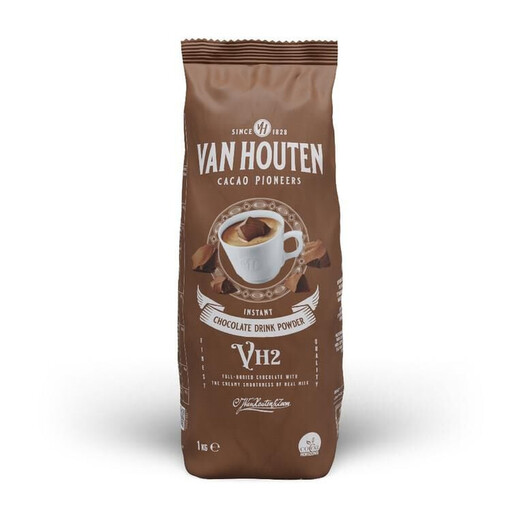 Image unavailable
This 1 kg pack could suit households that make hot chocolate regularly. The product title states that it contains 34% cocoa; check the packaging for ingredients, sugars and the recommended serving size for your mug.
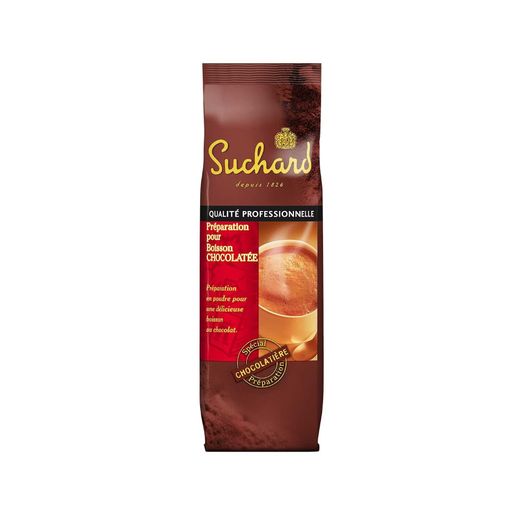 Image unavailable
This 1 kg pack is suited to households that regularly make instant hot chocolate. The product title states that it contains 20% cocoa; check the ingredients list and nutritional values for the variant before serving it.
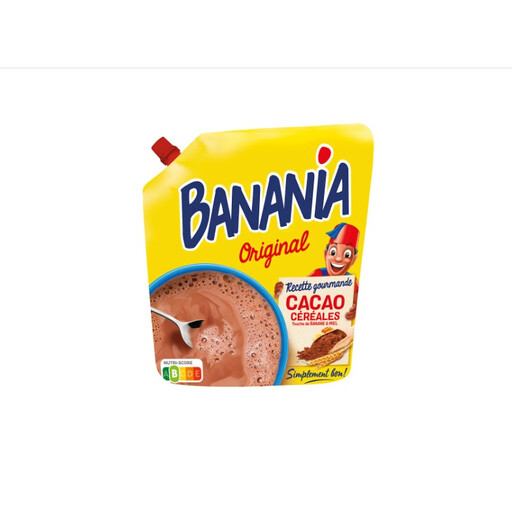 Image unavailable
This 1 kg pack could be considered for serving hot chocolate at home on several occasions. Check the ingredients, allergens and preparation instructions on its own packaging; don’t assume it has the same ingredients as a similarly named Banania product.
No. According to the Ministry of the Economy, displaying Nutri-Score is voluntary in France. It is separate from the nutrition declaration required for prepacked foods, subject to the applicable exemptions set out by the DGCCRF. If the logo isn’t shown, check the “of which sugars” figure in the nutrition table, among other details.
First compare the sugars listed per 100 g of powder, then check how much powder you put in each mug. The contents of the prepared drink will also depend on what you add, including milk.
Read the ingredients and allergen information on the exact pack before serving the drink. The Banania Original listing mentions wheat and barley, for example, while the Nesquik listing specifies soya lecithin. Other products mention milk or possible traces of milk. Don’t assume this information applies to another recipe or a similarly named brand.
No, it doesn’t tell you what’s in the pack. The scale published in the official bulletin of public finances concerns a tax on non-alcoholic drinks containing added sugars. To compare powders, check their ingredients, sugars per 100 g and recommended serving size instead.