
Livraison le jour même ou le lendemain

Qualité garantie

Débloquez vos offres de bienvenue: Livraison GRATUITE | Jusqu'à -80 % | 30 jours d'essai gratuits à JoyPlus
Téléchargez l'application
Far more than a simple vessel for your flowers, a large designer vase is a true statement piece—a design signature that can transform an entire room. With so many shapes, materials, and styles available, the selection can be overwhelming. But don't worry! We'll guide you through the essential criteria to find the perfect model that will elevate your interior, blending style with functionality.
Before you make a purchase, consider these key points. This will ensure you choose a piece that perfectly suits your taste and your space.
The choice of material is crucial: it dictates the look of your vase and the atmosphere it will create.
The silhouette of your vase defines its role in your decor. A sculptural vase with bold lines stands on its own and can be displayed like a work of art, even when empty. Conversely, a model with a generous opening and a more classic shape will be the perfect large flower vase, ready to hold oversized bouquets and branches. Consider its primary use before you decide.
The perfect vase is one that complements your decor. In a minimalist and bright interior, a Scandinavian vase with clean lines and neutral tones is an excellent choice. If your decor is more eclectic or colorful, an original decorative vase can become the focal point that energizes the entire space. The Danish brand Hübsch, for example, masters this balance between Nordic simplicity and a touch of character.
Here are three models that caught our eye for their design, materials, and ability to define an interior.
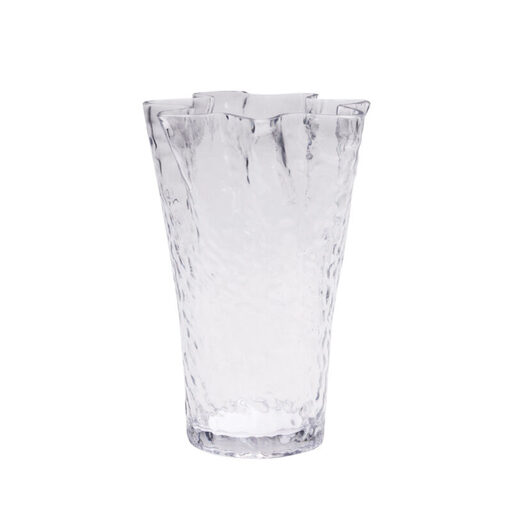
Why it stands out: This vase perfectly embodies the charm of handmade craftsmanship. Made from mouth-blown glass, it features a unique "ruffled" texture and fine air bubbles that signify its artisanal character. Its transparency and delicate silhouette catch the light without ever overwhelming the space, making it a truly refined decorative object.
The highlights:
Who is it for? For lovers of understated elegance who appreciate artisanal craftsmanship and the charm of slight imperfections.
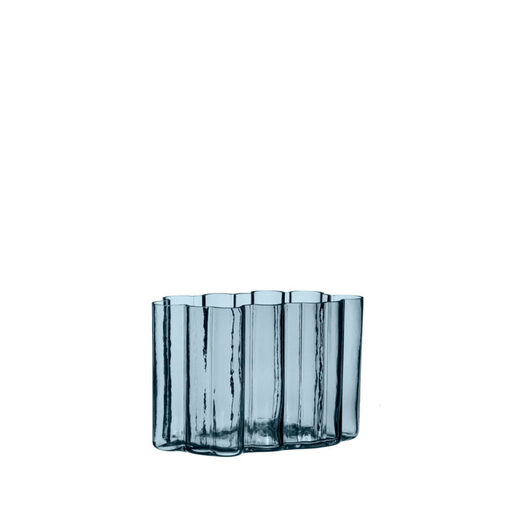
Why it stands out: The Umber vase is a true style statement. Its deep blue color and fluid, organic shape make it a bold sculptural vase. With its extra-large capacity and generous dimensions, it's designed to hold spectacular floral arrangements or to stand alone as the centerpiece of a living room or entryway.
The highlights:
Who is it for? For the bold who aren't afraid to use a strong, colorful piece to structure and energize their space.
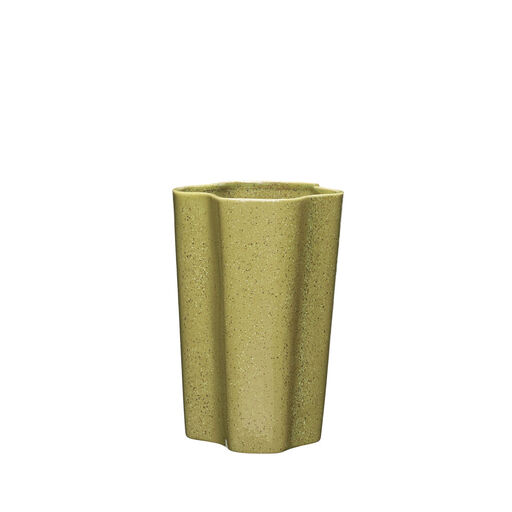
Why it stands out: Crafted from ceramic, the Sapo vase stands out with its organic silhouette and soothing Prairie Green hue. It evokes nature and mineral textures, bringing a wave of serenity and authenticity. Its matte finish and soft curves are ideal for creating a zen and natural ambiance.
The highlights:
Who is it for? For fans of natural materials and organic shapes looking to introduce a soft, botanical touch of color to their decor.
This selection is just a preview of the treasures you can find to discover your ideal large designer vase. To explore more styles, materials, and shapes, dive into our complete collection.
Discover Our Entire Decorative Vase Collection
It all depends on where you plan to place it. For a floor vase, aim for a height of at least 40?cm for a real visual impact. On a console, coffee table, or sideboard, a model around 30?cm high, like those in our selection, offers a perfect balance. Also, consider the type of bouquets you prefer: long, heavy stems will require a vase that is both tall and stable.
Durability is a matter of material, but more importantly, of care. Blown glass is sturdy but remains sensitive to both thermal and physical shocks. Ceramic, while very solid, can still chip if dropped. To ensure a long life for your vase, the secret is to follow the manufacturer's recommendations: some glass models are dishwasher-safe, while ceramic generally prefers gentle hand washing.
A sculptural vase is a work of art in its own right. To let it fully express itself, give it space on an uncluttered surface (a console, shelf, or side table). Let it "breathe." Play with light: near a window, a glass model will catch the rays to reveal its textures. You can also pair it with two or three smaller objects, playing with contrasting shapes and materials to create a harmonious and personal composition.