What to compare
Que Choisir includes large-capacity machines among the options to consider if you regularly wash large loads. For smaller loads or the occasional bulky item, also compare a more standard capacity and an alternative for occasional use.
Large-capacity front-loading machine
Consider this if: you regularly wash large loads of dry laundry. Check the dimensions, access to the door and the limits of the programmes you use.
Bear in mind: a large drum doesn’t prove that a model uses less energy when you run it with small loads.
More moderate capacity
Consider this if: your usual loads are often small or vary in size. Que Choisir says an 8 to 9 kg model is generally enough for some households of three to four people.
Bear in mind: a very large wash may need several cycles, and some bulky items may not fit the drum properly.
An occasional option for bulky items
Consider this if: you rarely wash bulky duvets, so they don’t justify choosing a very large drum for all your laundry.
Bear in mind: using a launderette or specialist means making a trip. First check the care label and make sure there’s enough room for the item to move around during washing.
| Criteria |
What to check |
Who it matters most to |
| Capacity for regular loads |
Estimate how often you wash large loads of dry laundry; check the rated capacity and the limit for the programme you use. |
When I regularly have several large loads to wash, I want to avoid running extra cycles without choosing a drum that’s too big for my needs. Around 31% of consumers prioritise capacity for these large washes. |
| Loads of varying sizes |
Compare energy use measured on the same basis and look for comparable data for partial loads. An advertised feature alone won’t tell you how much your cycles will use. |
If I alternate between small loads and family laundry, I want to choose based on the cycles I use most often. Around 25% of consumers prioritise adapting to different load sizes. |
| Duvets and bulky items |
Check the textile’s care label, the size, the suitable programme and whether there’s enough room for it to move around. |
If I only wash a duvet occasionally, I want to know whether it can be washed properly without choosing a large-capacity machine for all my laundry. Around 19% of consumers prioritise washing bulky items from time to time. |
| Installation and dimensions |
Measure the space and the delivery route; check the model’s dimensions and the installation instructions in its manual. |
Before choosing a large drum, I want to make sure the appliance will fit in its space and can be delivered there. Around 13% of consumers prioritise whether installation is practical. |
| Durability and care |
For relevant front-loading or top-loading washing machines sold in France, check the durability rating and its breakdown. Follow the care instructions and distinguish between the statutory and commercial warranties. |
To keep my appliance in good condition, I want to look at durability information and care instructions, not just capacity. Around 12% of consumers prioritise durability and running costs. |
Large-capacity washing machines on Joybuy
These 10 to 11 kg front-loading washing machines are worth comparing if you regularly wash large loads. Check that their dimensions and programmes suit your space and the loads you usually wash.
 No image available
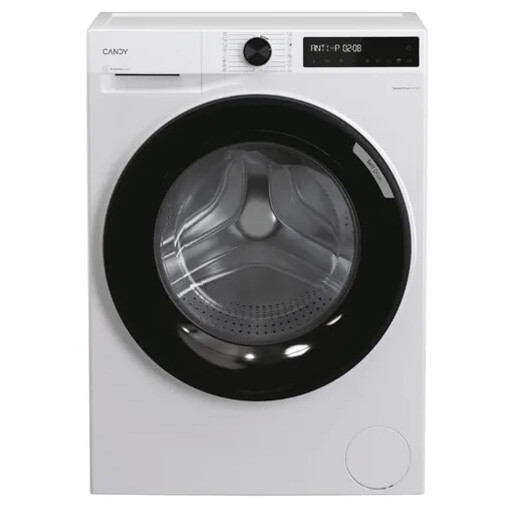
Candy BR 411BL9-S, 11 kg front-loading washing machine
Its stated 11 kg capacity makes it worth comparing if large loads are a regular part of your household laundry.
The Joybuy product listing gives it an A energy class, 16 programmes, including a bedding programme, and an inverter motor.
View on Joybuy
 No image available
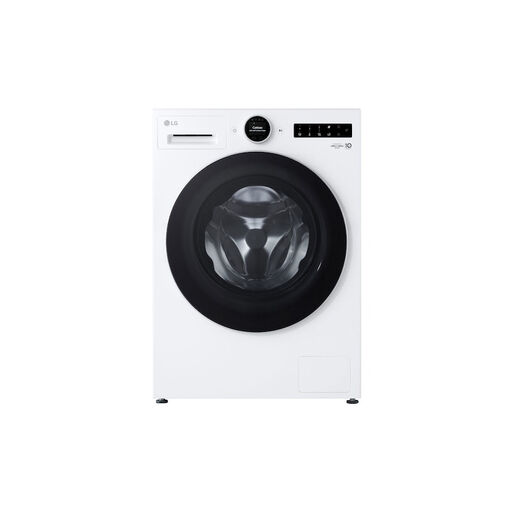
LG F4WX851Y, 11 kg front-loading washing machine
Compare its stated 11 kg capacity with your usual loads before deciding whether a large drum is right for you.
The Joybuy product listing gives it an A energy class, AI DD, LoadSense load detection and ezDispense automatic dosing.
View on Joybuy
 No image available
Haier X11 HW100-BD14397PGU1, 10 kg front-loading washing machine
This 10 kg model is worth comparing if you want a large capacity without going for 11 kg or more.
Haier lists dimensions of 595 × 611 × 850 mm (W × D × H). The Joybuy product listing also gives it a 1 400 tr/min spin speed, an A energy class and AutoDose.
View on Joybuy
 No image available
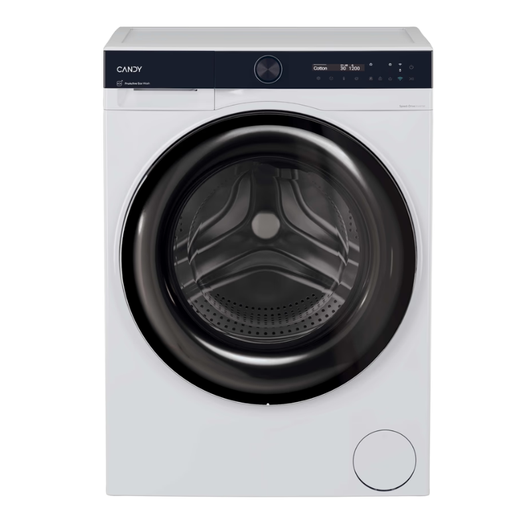
Candy ProWash 700 BS 410B10-S, 10 kg front-loading washing machine
Compare its stated 10 kg capacity with the size of the loads you wash most often.
The Joybuy product listing gives it a 1 400 tr/min spin speed, an A energy class, 16 programmes, a steam function and Smart Dose.
View on Joybuy
 No image available
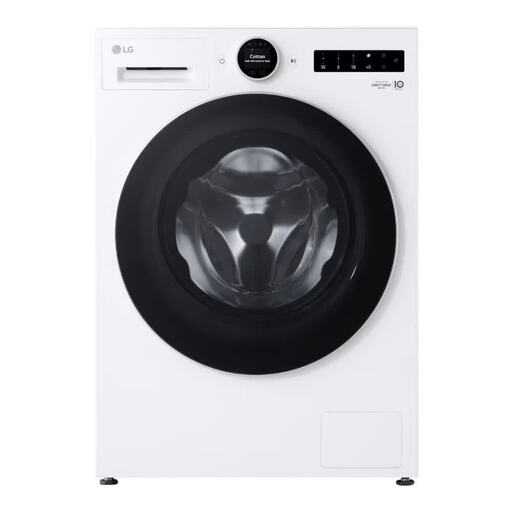
LG F4WX801Y, 11 kg front-loading washing machine
Compare its stated 11 kg capacity with the size of your usual loads and the space you have available.
The Joybuy product listing gives it an A energy class, AI DD, load detection, and Allergy Care and Microplastic Care programmes.
View on Joybuy
Frequently asked questions
Can a 10 kg washing machine wash any duvet?
No. The capacity in kilograms doesn’t guarantee that every duvet will fit in the drum. Follow its care label and check its size, how much room it needs to move around and the programme’s load limit. A large duvet may need to go to a launderette or specialist cleaner.
What should I compare to estimate a washing machine’s energy use?
Compare figures measured on the same basis, including the energy use in kWh per 100 cycles and water use per cycle shown on the label. Then take your programmes and load sizes into account. These standardised figures alone won’t tell you how much energy your smaller washes will use.
Which durability rating should I check for a washing machine sold in France?
For the relevant front-loading and top-loading washing machines, the durability rating replaced the repairability rating on 8 April 2025. The French Ministry of the Economy says the score is out of 10 and the rating breakdown must be accessible from the online sales page in no more than one action.
How can I prevent unpleasant smells in a washing machine that gets frequent use?
Follow the care instructions in the manual and use the right amount of detergent. ADEME says using too much detergent can cause a build-up in the appliance and lead to unpleasant smells.
What does the statutory guarantee of conformity cover for a washing machine bought in France?
For a new item bought from a professional seller, the statutory guarantee of conformity covers a lack of conformity and can be claimed within two years. The French Ministry of the Economy says the claim must be made to the seller. This is separate from a limited commercial warranty, for example one that covers only the motor.


