Households whose appliance no longer fits their needs
First, check the space available and the capacity your home needs, then compare the efficiency of appliances in the same category.


If your appliance still suits your home, first compare a viable repair and its cost with the cost of replacing it. A better energy label alone isn’t enough to make the decision. If you’re buying a new appliance, check the dimensions and capacity you need, then compare energy use between appliances in the same category, as the units and ratings available vary by appliance type.
First, check the space available and the capacity your home needs, then compare the efficiency of appliances in the same category.
You’re weighing up whether to keep using the appliance or replace it. The warranty, whether a repair is feasible and how much it will cost can all help you decide.
You want to understand energy and water figures, and find out whether the category has a repairability or durability rating.
Worth considering: if the appliance still meets your household’s needs and a repair is possible at a cost your household can afford.
Weigh up: feasibility and cost depend on the circumstances; first check which warranties apply.
Worth considering: if a new appliance would better suit your home’s capacity, installation or usage needs.
Weigh up: the energy rating isn’t enough on its own; energy-use figures aren’t directly comparable across different categories.
Worth considering: to compare dishwashers by their repairability rating, or washing machines by their durability rating.
Weigh up: these ratings don’t apply to every appliance and don’t replace checks on suitability and energy use.
If you’re replacing an appliance, start by checking that it suits your home. Then compare energy use on a like-for-like basis and look into the maintenance options available for that category.
| What matters | What to check | Who it matters most to |
|---|---|---|
| Choosing an appliance to suit your home and how you use it | Measure the space and access routes; check the dimensions and capacity that suit the category. | I want to be sure the appliance will fit through the access routes, fit in its space and offer the capacity my household needs. Around 31% of consumers prioritise how well an appliance suits their home and lifestyle. |
| Deciding whether a repair makes sense | Check the warranty, ask for an assessment appropriate to the appliance and look into the repair bonus conditions if you plan to claim it. | If an appliance breaks down, I want to know whether keeping it is technically possible and financially acceptable before buying another one. Around 31% of consumers put the decision to repair first. |
| Understanding energy and water use | Compare appliances in the same category: kWh/year for refrigeration, kWh/100 cycles and litres per cycle for washing; treat ovens and hobs separately. | I want to compare energy use and, for washing appliances, water use without confusing the units or reference cycles. Around 23% of consumers prioritise managing their energy use. |
| Planning for maintenance and possible repairs | Look for the rating that applies to the category and check the maintenance and support information for the specific model. | When buying a new appliance, I want to know what information can help me maintain it and consider a repair. Around 15% of consumers prioritise how long they can use an appliance. |
Energy labelling applies to domestic electric and gas ovens, including those built into cookers. The European Commission does not require energy labels for hobs.
Check the oven and hob separately before comparing the information available.
A fridge’s annual energy use and a washing appliance’s energy use for a set number of cycles don’t describe the same kind of use. For washing appliances, the label also refers to a reference programme.
Compare appliances in the same category and with a suitable capacity, checking the stated unit and cycle.
In France, the bonus applies to eligible products that aren’t covered by a warranty, and you must use a certified repairer, among other conditions. Its availability doesn’t mean that a repair is possible.
First check the warranty and eligibility conditions, then compare the cost of repairing your particular appliance with the cost of replacing it.
A manufacturer with products across washing, cooking and refrigeration, worth considering model by model.
A manufacturer whose after-sales support, manuals and spare parts resources can be useful points of reference.
A manufacturer offering repair services and parts searches to explore for the appliance in question.
The options below are for replacing an appliance with a new one, with examples of fridges, dishwashers and washing machines.
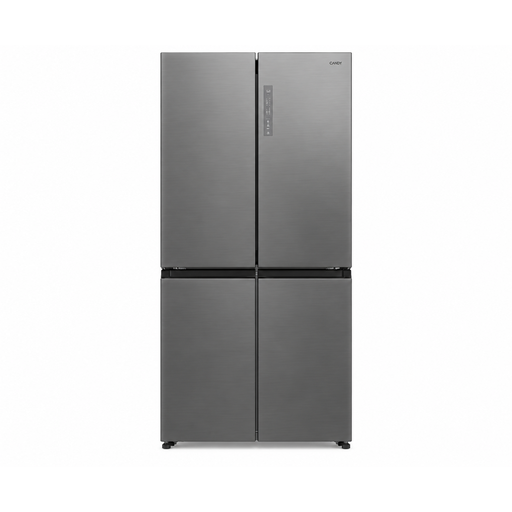 Image unavailable
Compare a new fridge by its capacity and stated annual energy use.
Energy rating E; stated energy use: 290 kWh/year; total capacity: 467 L; dimensions: 83,3 × 65 × 181,5 cm.
Freestanding; Total No Frost system and automatic defrost stated.
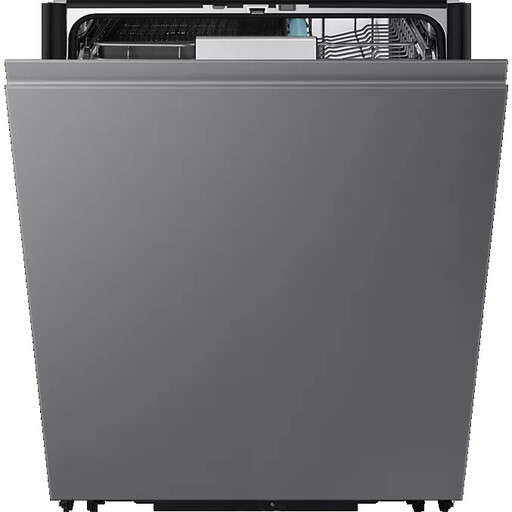 Image unavailable
Compare an integrated dishwasher by its capacity and the figures for its eco programme.
Energy rating A; stated energy use: 54 kWh/100 cycles and 9,4 L per cycle; stated capacity: 14 place settings.
Designed to be integrated into a suitable unit; parts availability stated for 10 years.
 Image unavailable
A practical choice for a small space, with the option of using the built-in tank or connecting it to a tap.
Energy rating D; built-in 5 L tank; dimensions: 420 × 435 × 435 mm.
Fill it manually or connect it to a tap; the tap adaptor is not included.
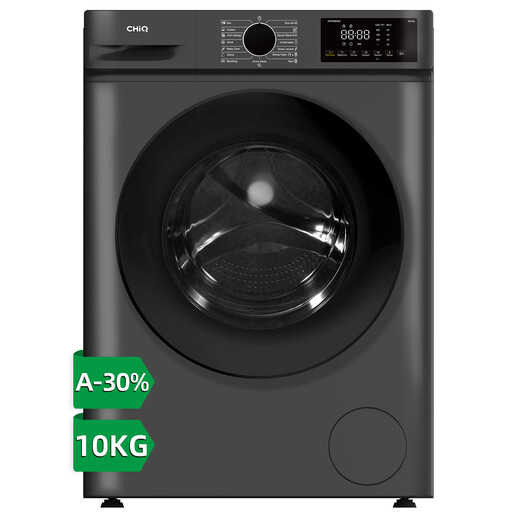 Image unavailable
Compare washing machines by capacity and the energy information for each model.
Stated energy rating: A-30 %; capacity: 10 kg; stated spin speed: 1 400 rpm; 16 programmes.
Steam function stated.
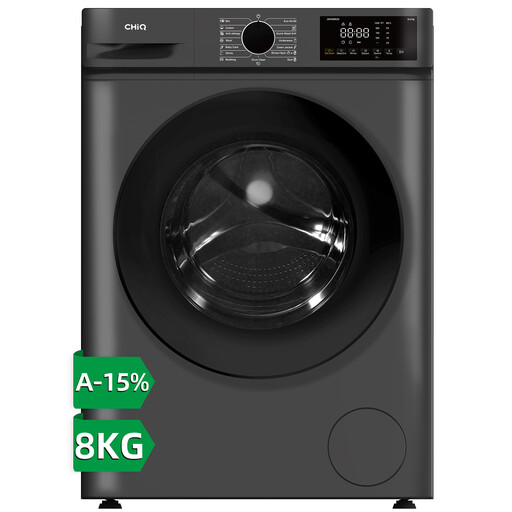 Image unavailable
Compare washing machines by capacity and the energy information for each model.
Stated energy rating: A-15 %; capacity: 8 kg; stated depth: 52 cm; stated spin speed: 1 400 rpm; 16 programmes.
Steam function stated.
No. A fridge’s label shows annual energy use, while a dishwasher’s label shows energy use per 100 cycles. The European Commission presents these figures on different bases, so it’s better to compare appliances in the same category and with a suitable capacity.
No. In France, the bonus applies to eligible products that aren’t covered by a warranty, and you must use a certified repairer, among other conditions. The French Ministry of the Economy recommends checking the terms before including this support in your comparison.
No. According to the European Commission, hobs aren’t required to carry an energy label. Domestic electric or gas ovens, including those built into cookers, are covered by the oven energy label.
Read the manual for the specific model and check the manufacturer’s maintenance advice. For washing appliances, remember that the energy figures on the label are based on the reference programme and don’t cover every type of use.
If you bought from a professional seller in France, the legal guarantee of conformity may apply for two years, subject to its conditions. The French Ministry of the Economy distinguishes this mandatory guarantee from an optional commercial warranty. Contact the seller before arranging a repair.