Families cooking several portions
A large jar or several smaller packs could cover multiple meals. The right choice depends on how much you’ll actually use and the storage instructions once the product is open.


For a lactose-free family shop, first choose a sauce whose ingredients meet your needs, checking the pack you’re buying. Then work out how much you’ll use once it’s open. A large jar can save you opening several smaller packs, but its weight tells you nothing about what’s in it: dairy ingredients and ‘may contain traces’ warnings need to be checked separately.
A large jar or several smaller packs could cover multiple meals. The right choice depends on how much you’ll actually use and the storage instructions once the product is open.
The words ‘tomato sauce’ aren’t enough: some vegetable recipes contain milk in their flavourings or include cheese. Check the ingredients list and any ‘may contain traces’ warnings on the specific product you choose.
Tinned chopped tomatoes in multipacks let you open only what you need and add the other ingredients yourself. However, they need to be cooked, unlike a ready-to-serve sauce.
When choosing a pasta sauce for a lactose-free shop, check the recipe and any ‘may contain traces’ warnings before comparing pack sizes. Then decide between a ready-to-serve sauce and a tomato base to cook with, depending on the meals you have planned.
| What to consider | What to check | Who is this for? |
|---|---|---|
| Dairy ingredients | Read the ingredients list for the pack you’re considering, including the flavourings, and distinguish it from any ‘may contain traces’ warnings. | For a lactose-free shop, I want to check the recipe before thinking about the jar size; around 50% of shoppers would put checking the ingredients first. |
| Amount you can use | Compare the net weight with the meals you have planned and follow the storage instructions once opened. | If I’m cooking several meals, I want an amount I can use without leaving a pack open for too long; around 30% of shoppers would prioritise a suitable pack size. |
| Preparation and availability | Check whether the product is a ready-to-serve sauce or a base that needs cooking, then confirm the specific product is available in your shop or for your delivery or click and collect order. | When preparation time matters, I want to know what I can serve straight away; around 20% of shoppers would prioritise this ease of use and availability. |
Carrefour Classic’s product information for a sauce with mixed vegetables lists milk in the flavourings; E.Leclerc’s listing for a Turini sauce states that it contains powdered processed cheese. So the tomato featured on the packaging doesn’t tell you everything about the ingredients.
Check the ingredients list for the exact product, even when it’s described as a vegetable sauce.
A ‘may contain traces’ warning indicates the possible unintentional presence of an ingredient; it’s not the same as milk being listed as an ingredient. For example, Auchan’s product information for a 680 g cooked tomato sauce mentions possible traces of milk.
Choose the pack that matches the level of precaution you need. A milk allergy should not be treated as the same thing as lactose intolerance.
A 650 g or 680 g pack is only practical if you can use the amount you open in line with the product’s storage instructions.
Plan your meals before you buy. If you’ll be opening packs at intervals, compare multipacks of smaller containers too, bearing in mind that tinned chopped tomatoes still need to be cooked.
These ranges offer examples of pack sizes and recipes, not a blanket guarantee that they’re lactose-free. Check each product individually.
Panzani offers its Tomates Cuisinées and Provençale sauces in 650 g jars.
Barilla offers a 400 g jar of its Tomates Cuisinées sauce.
The range includes a 180 g tube of tomato sauce with mixed vegetables.
Auchan offers a 680 g jar of cooked tomato sauce and a 3 × 400 g multipack of chopped tomatoes.
E.Leclerc’s range includes ready-made tomato sauces and multipacks of tomato-based products.
Lidl lists a Baresa tomato sauce among its products.
These products include tomato bases and sauces in packs ranging from 520 g to 950 g, which you could consider for several portions. Their names and pack sizes don’t guarantee that they’re suitable for a lactose-free diet: check the ingredients and any ‘may contain traces’ warnings on the product you choose.
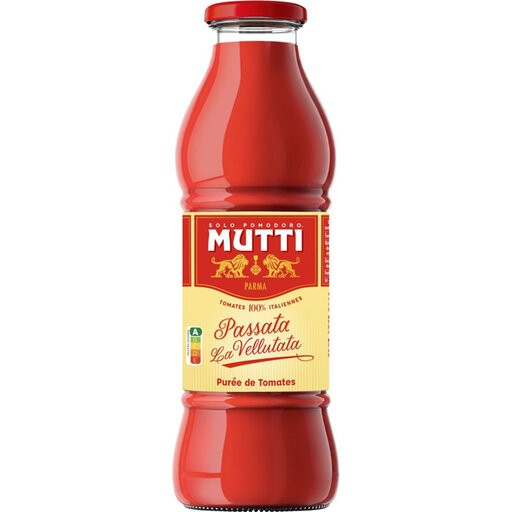 Image unavailable
This passata could be a good option if you’d like to make your own sauce for several portions.
The pack contains 700 g. Check the ingredients, any possible traces of milk and the storage instructions once opened on the packaging you buy.
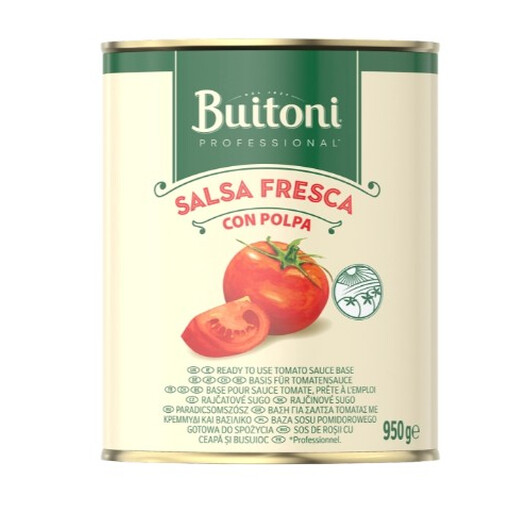 Image unavailable
This tomato base is for anyone who wants to make a sauce for several meals.
The pack contains 950 g. Check the label on the product delivered for ingredients, possible traces and storage instructions once opened.
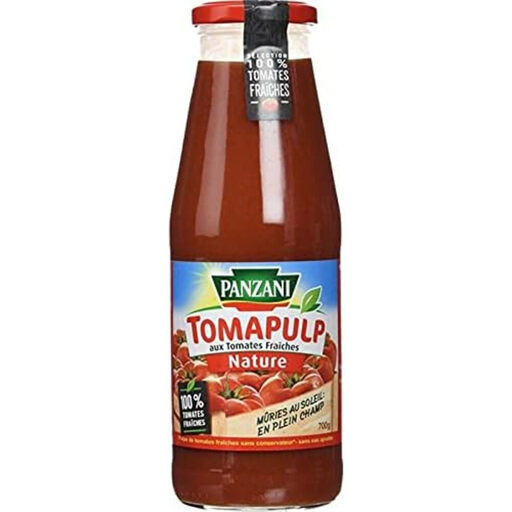 Image unavailable
This size could be worth considering if you’re planning to make several portions of tomato sauce.
The pack contains 700 g. Check the ingredients, possible traces of milk and the storage instructions for this specific product.
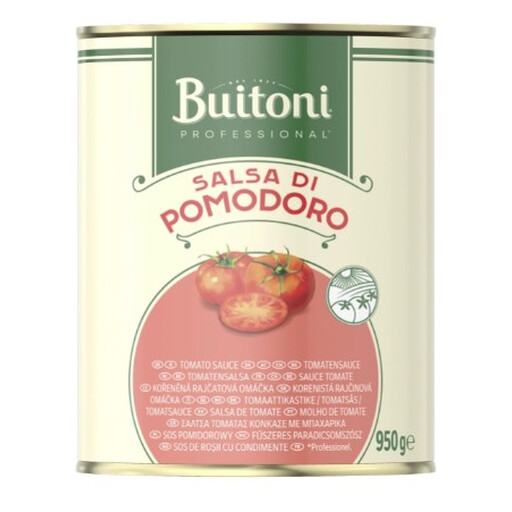 Image unavailable
This large pack of sauce could be a good option if you’ve planned several meals.
It contains 950 g. Before choosing it for a lactose-free shop, check the product label and plan how you’ll use it once opened.
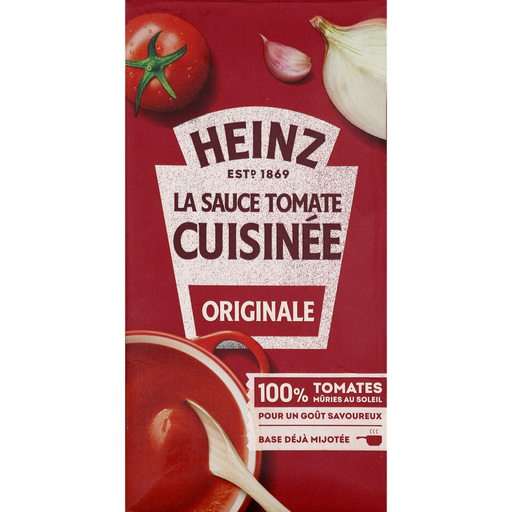 Image unavailable
This cooked sauce could suit anyone looking for a garlic and onion recipe in a smaller pack than the 700 g or 950 g options shown here.
The pack contains 520 g. Check the packaging for ingredients, possible traces of milk and storage instructions once opened.
No. A tomato-based recipe can also contain dairy ingredients: Carrefour Classic’s product information for a sauce with mixed vegetables lists milk in the flavourings. Read the ingredients list for the specific product rather than relying on the sauce’s name.
According to the European Commission, milk must be clearly indicated when it’s used as an ingredient in food sold in the European Union. For pre-packed sauce, check how it’s highlighted in the ingredients list. If you’re buying online, also check the information available before placing your order, then read the label on the product you receive.
No. It indicates the possible unintentional presence of milk, which is different from milk being listed as an ingredient. If you also need to avoid traces, take the warning on the product you choose into account. Don’t apply the criteria for lactose intolerance to a milk allergy.
Yes, if you can use the amount you open in line with the instructions on the jar. Compare your planned meals and the storage guidance with the option of several smaller packs. A multipack of chopped tomatoes also means you’ll need to make the sauce yourself.
No. Assurance Maladie describes lactose intolerance as difficulty digesting the sugar in milk; a milk allergy involves a different mechanism. So the precautions are not the same when checking ingredients and ‘may contain traces’ warnings.