People looking for lactose-free dairy cream
You want to keep a dairy cream base while choosing a product labelled ‘lactose-free’. Elle & Vire and Le Gall offer dairy products that meet this need; check the exact product before buying.


If you’re looking for lactose-free cream but want to keep a dairy base, compare light and full-fat options to find the right one for your recipe. If you also avoid dairy ingredients, consider a plant-based cooking alternative and check its ingredients and allergens. For a particular flavour, don’t rely on the word ‘matured’ alone: look for a precise product description.
You want to keep a dairy cream base while choosing a product labelled ‘lactose-free’. Elle & Vire and Le Gall offer dairy products that meet this need; check the exact product before buying.
For a sauce, gratin or baking, you could compare a 30% fat lactose-free full-fat cream, such as the Le Gall product, with a 4% light dairy speciality from Elle & Vire.
Lactose-free dairy cream can still contain milk, as shown in the ingredients for the Le Gall product. To choose a plant-based alternative, check the ingredients, allergens and recommended culinary uses.
First, decide whether you only want to avoid lactose or whether you also need to avoid dairy ingredients. Then compare the fat content and texture to find the right option for your recipe.
| Criterion | What to check | Who is it for? |
|---|---|---|
| Free from dairy ingredients | Read the ingredients list and allergen information: ‘lactose-free’ does not mean ‘milk-free’. Le Gall thick cream, for example, contains milk. | If I need to avoid milk, cream that has simply had the lactose removed won’t meet my needs. Around 34% of consumers would prioritise being free from dairy ingredients. |
| Lactose-free dairy base | Check that the chosen product is labelled ‘lactose-free’. Auchan states that Le Gall thick cream with 30% fat contains less than 0.1% lactose; this figure does not apply to other products. | I want to keep a milk-based cream in my cooking without choosing ordinary cream that contains lactose. This would be the top priority for around 33% of consumers. |
| Full-fat cream for cooking | Compare the fat content and intended use: Le Gall states that its lactose-free thick crème fraîche contains 30% fat. | For my sauces or gratins, I’m looking for full-fat cream rather than a light version. Around 25% of consumers would prioritise this criterion. |
| Light version | Check the fat percentage on the product: Elle & Vire’s lactose-free thick dairy speciality contains 4% fat. | I prefer to limit the fat in a dish that doesn’t need full-fat cream. A lighter option would be the top priority for around 8% of consumers. |
Cream with the lactose removed can still be a dairy product: Maison Le Gall lists cream and milk-containing cultures in its lactose-free thick cream.
If you need to avoid milk proteins, check the ingredients and allergens for the specific product. Check these details on plant-based alternatives too before choosing one.
The word alone doesn’t tell you the fat content. The lactose-free products mentioned here include a 4% Elle & Vire speciality and a 30% Le Gall crème fraîche.
Choose the fat content to suit the dish you’re making, and check that the stated texture is right for your recipe.
These words don’t tell you the ingredients, fat content or expected flavour of a lactose-free thick cream.
If you’re looking for a particular flavour, check the product name, ingredients and description rather than choosing based on this term alone.
The brand offers a lactose-free thick dairy speciality with 4% fat.
Maison Le Gall offers a lactose-free full-fat crème fraîche with 30% fat.
Carrefour lists a 150 g pot of LAC lactose-free full-fat crème fraîche with 30% fat.
La Fourche lists a soy-based Soy product among its plant-based cooking alternatives.
These coconut creams are options for recipes where their flavour works well. They are not dairy crème fraîche, so if you need to avoid milk or lactose, check the labelling and allergens on each pack.
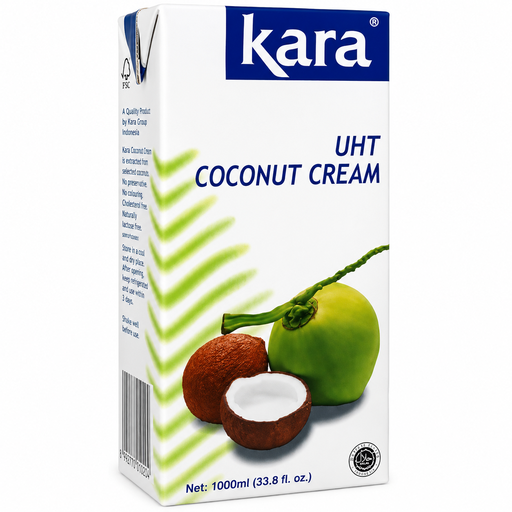 Image unavailable
Worth considering for a dish where coconut flavour works well. The product name states that it contains 24% fat, is UHT-treated and comes in a 1 L pack; check the ingredients and allergens to make sure it meets your needs.
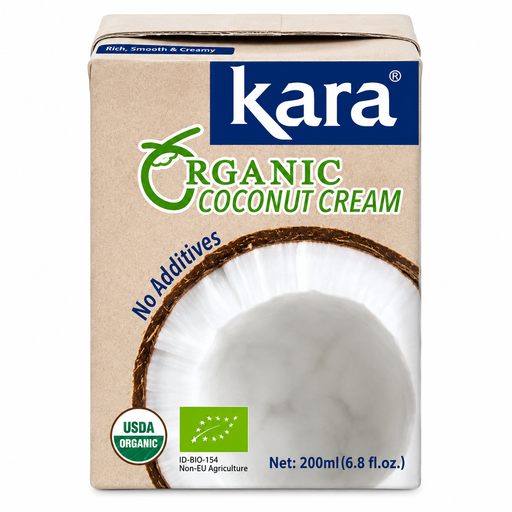 Image unavailable
The 200 ml pack may suit a smaller dish if you’re after coconut flavour. The product name states that it contains 24% fat; check the ingredients and allergens before using it instead of crème fraîche.
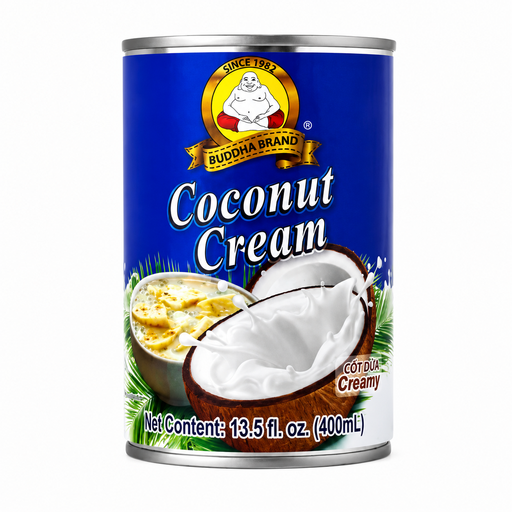 Image unavailable
A coconut cream to consider for recipes where its flavour works well. The product name states that it contains 20 to 22% fat and comes in a 400 ml pack; check the packaging for the information you need to meet your dietary requirements.
 Image unavailable
This 200 ml pack is worth considering for a small recipe with coconut flavour. If the fat content is a deciding factor, check the value on the packaging; also check the allergens listed.
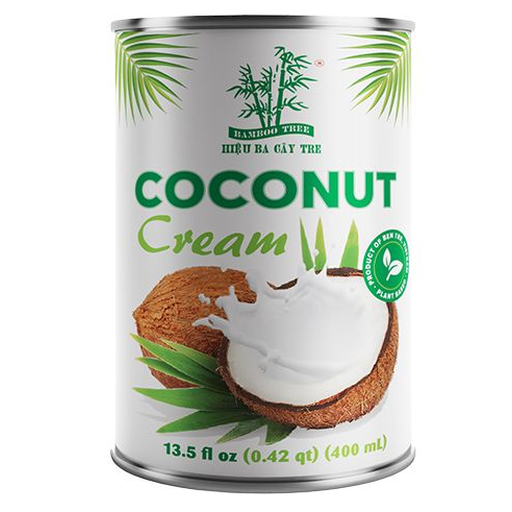 Image unavailable
Worth considering for a dish where coconut cream works well instead of crème fraîche. The product name states that it contains 20 to 22% fat and comes in a 400 ml pack; if you need a ‘lactose-free’ claim, check the exact packaging.
Not necessarily: Maison Le Gall lists cream and milk-containing cultures in its lactose-free thick cream. If you need to avoid milk proteins, check the ingredients and allergens for the exact product rather than relying on the ‘lactose-free’ claim alone.
Choose according to the fat content you want for your recipe, and don’t assume these two products are interchangeable. Elle & Vire states that its lactose-free thick dairy speciality contains 4% fat, while the lactose-free full-fat crème fraîche from Le Gall and LAC contains 30% fat.
Not without checking the product and recipe: plant-based alternatives vary in their base, texture and recommended culinary use. If you’re considering coconut cream, take its flavour into account too, and check the ingredients and allergens on the packaging.