If you avoid ingredients of animal origin, choose a plant-based drink rather than lactose-free cow’s milk. For your weekly shop, check the ingredients and allergens for each product. If vegan certification is essential, check the logo, certifying body and specific product separately. Lactose-free milk is another option for people who consume milk and are mainly looking to reduce their lactose intake.
Who are these options for?
People following a vegan diet
You avoid ingredients of animal origin. A plant-based drink may meet this requirement, depending on its ingredients, but describing a product as ‘vegan’ does not, by itself, prove that it has been certified by an independent body. Check the packaging if certification is essential to your purchase.
People who still consume milk
You want to keep buying cow’s milk while keeping an eye on its lactose content. Lactel and Candia’s lactose-free ranges suit this approach, but they are not plant-based drinks.
People planning the weekly shop
You’re choosing a drink for cereal, coffee or cooking. Pack size, the sugars and protein listed, allergens and storage instructions can help you choose between products with different ingredients.
What should you compare in store?
First decide whether it has to be plant-based: ‘lactose-free’ alone does not meet a vegan requirement. Then compare the labels of products that suit your weekly needs.
| Criteria |
What to check |
Who is it for? |
| Origin and certification |
Ingredients, allergens and, if needed, the logo and scope of any vegan certification. |
If I don’t consume any ingredients of animal origin, lactose-free milk won’t meet my needs. Around 36% of consumers prioritise this compatibility. |
| Lactose content |
Claimed lactose content and whether milk appears in the ingredients; lactose-free milk is not a plant-based drink. |
I want to keep cow’s milk in my shop while choosing a product with reduced lactose. This is a priority for around 29% of consumers. |
| Nutritional content |
Sugars, protein and any added nutrients, comparing values given in the same units. |
For breakfasts and recipes throughout the week, I want to compare drinks by their nutritional information. Around 21% of consumers prioritise this comparison. |
| Pack size and local availability |
Pack size, storage instructions once opened and whether the product is stocked at your usual shop. |
If I’m buying several cartons for the week, I mainly want a size I can use and easily find again. This is the main concern for around 14% of consumers. |
Common misconceptions to avoid
-
Confusing ‘lactose-free’ with ‘vegan’
Removing or breaking down the lactose does not change the animal origin of cow’s milk. Lactel Matin Léger and Candia+ ranges are still milk.
If avoiding animal ingredients is your deciding factor, start with a plant-based drink and check its ingredients. Check the certification on the specific product if it’s required.
-
Overlooking allergens in plant-based drinks
‘Plant-based’ doesn’t mean a product suits every dietary requirement: it may, for example, be made from soya or oats.
Check the ingredients and allergens on the product you buy, even if you switch to a different recipe or pack size.
-
Assuming all recipes are alike
A soya drink and an oat drink shouldn’t be treated as equivalent just because they’re both plant-based. Sugars, protein and added ingredients vary from one product to another.
Compare nutritional information per 100 ml with other values per 100 ml, or per 100 g with other values per 100 g. A ‘no added sugars’ claim is no substitute for checking the sugar content.
-
Using an everyday drink instead of infant formula
According to Anses, everyday drinks, whether plant-based or animal-based, cannot replace breast milk or infant formula intended for babies.
When feeding a baby, don’t use a carton of plant-based drink or cow’s milk as a substitute; ask a healthcare professional for advice.
Brands to know when comparing
These brands represent different categories and recipes. Their inclusion here doesn’t guarantee that a product is vegan-certified or suitable for every weekly shop.
Lactel
The Matin Léger range is lactose-free cow’s milk for people who want to keep consuming milk.
- Lactel explains that the lactose in this range is broken down using lactase.
- As it’s animal-based, this range isn’t suitable for a vegan diet.
Candia
Candia+ Sans Lactose also belongs to the category of lactose-free cow’s milk.
- Candia states that this product contains less than 0.1 g of lactose per 100 ml.
- Reducing the lactose content doesn’t make it a plant-based drink.
Alpro
The range includes oat drinks, including an Oat Unsweetened product listed by Carrefour.
- The listing mentions calcium and vitamins B2 and D2 in the product’s recipe.
- Check the ingredients and allergens in your chosen variety; one fortified recipe doesn’t represent the whole range.
Bjorg
Bjorg offers, among other products, an unsweetened soya drink.
- The ingredients published by Bjorg for this product list water and organic soya beans.
- Check for soya in the allergens; plant-based ingredients do not prove third-party vegan certification.
Bio Village
This E.Leclerc brand includes plant-based drinks, including oat- and soya-based varieties.
- The range lets you compare different plant-based ingredients when planning your shop.
- Check the exact recipe and whether it’s available at your local shop before planning to buy it for the week.
Plant-based drinks to consider on Joybuy
These oat- or rice-based products are worth comparing with other plant-based drinks for coffee, cereal and cooking. If you require vegan certification or an explicit ‘lactose-free’ claim, check the packaging of each product before buying.
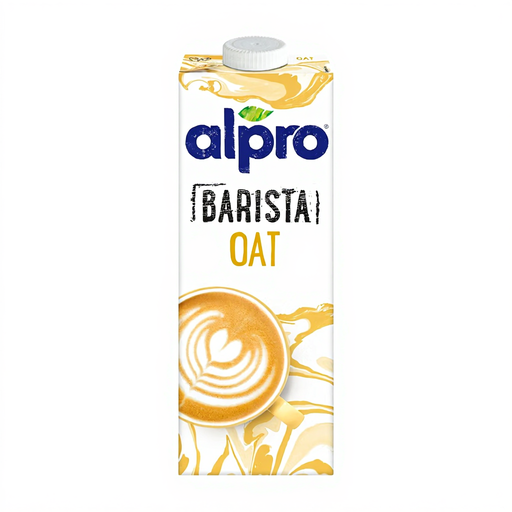 Image unavailable
Alpro Oat Barista, 1 L
Worth considering if you’re looking for an oat drink to make coffee with during the week.
The name identifies the Barista variety and its 1 L size. Check the ingredients, allergens and any required certification on the carton you buy.
View on Joybuy
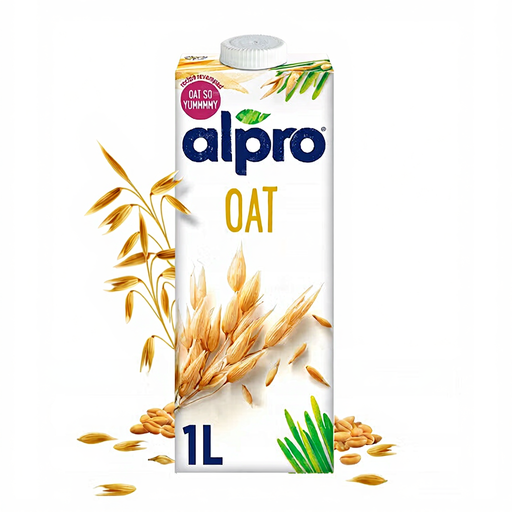 Image unavailable
Alpro Oat Drink, 1 L
You can compare this oat drink with other options for cereal or recipes throughout the week.
The stated size is 1 L. If sugar content matters to you, check the value in the nutritional information rather than relying solely on claims on the front of the pack.
View on Joybuy
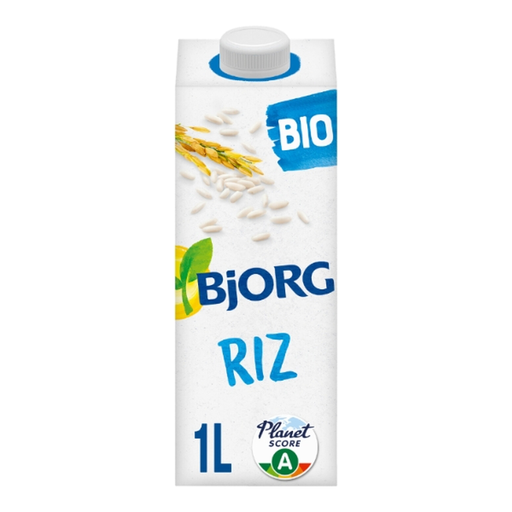 Image unavailable
BJORG Rice Plant Drink, 1 L
Worth comparing if you prefer a rice base for your drinks or recipes rather than an oat base.
This variety is sold under a name that states 1 L. Check its nutritional information and allergens, and don’t assume that a rice base alone meets a particular dietary requirement.
View on Joybuy
 Image unavailable
NATRUE Oat Drink 0%, 1 L
This oat variety can be compared with other 1 L cartons for the uses you have planned during the week.
Don’t infer a specific nutritional benefit from the ‘0%’ in its name: check the nutritional information and ingredients. Also check for lactose-free claims and any vegan certification if these are essential.
View on Joybuy
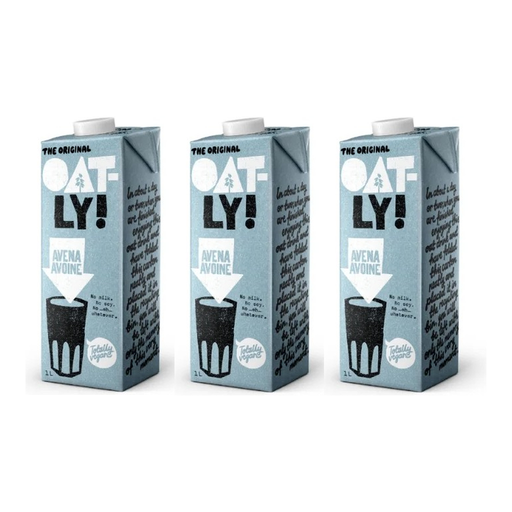 Image unavailable
OATLY Oat Drink, pack of 3 × 1 L
This multipack may suit your weekly shop if you’re planning to use several cartons.
It contains three 1 L cartons. Before choosing this pack size, check the storage instructions once opened, as well as the ingredients and any claims relevant to your diet.
View on Joybuy
Frequently asked questions
Is lactose-free cow’s milk vegan?
No. Even with the lactose removed, it’s still animal-based. Lactel and Candia describe the products mentioned here as milk; if you avoid animal ingredients, look at the ingredients in a plant-based drink instead.
What should I check on a plant-based drink’s label?
Start with the product name, ingredients and allergens, then compare nutritional information using the same units. When planning your shop, also check the pack size and storage instructions. If vegan certification is essential, check it for the specific product.
Can a plant-based drink replace infant formula?
No. According to Anses, everyday drinks of plant or animal origin are not a substitute for breast milk or infant formula intended for babies. Ask a healthcare professional for advice on choosing what to feed them.
How should I store a carton after opening?
Follow the instructions on the carton you buy, as they vary by product. For Candia+ Sans Lactose, Candia recommends storing it between +1 and +6 °C and consuming it within four days of opening; don’t apply this guidance to another drink.


