When choosing pasta for a lactose-free shop, first check the ingredients and allergens on the specific pack, then compare the ‘of which sugars’ figure per 100 g across similar products. A low figure alone does not qualify as a ‘reduced sugars’ claim, and ‘gluten-free’ does not guarantee that a product is lactose-free.
Who is this guide for?
People avoiding lactose
You want to check the ingredients in your pasta, without forgetting those in the sauce, cream or cheese added to your meal. For prepacked foods, the DGCCRF (the French consumer protection authority) reminds manufacturers that allergens must be highlighted in the ingredients list.
People comparing declared sugar levels
You want to compare the ‘of which sugars’ figure per 100 g across pasta products intended for the same use, without confusing a nutritional value with a reduced-sugars claim.
People also looking for gluten-free pasta
You need to check two separate criteria: the gluten-free claim and whether the product you choose contains milk. One does not automatically tell you about the other.
What should you check before buying?
Start by checking the ingredients on the pack to make sure it suits your lactose-free needs. Then compare sugar levels on a like-for-like basis. Only check for a gluten-free claim if that is also something you need.
| Criterion |
What to check |
Who it matters to |
| Milk content |
Read the ingredients, allergens and warnings on the exact pack you’re buying; check separately what you’ll serve with the pasta. |
I want to rule out a recipe containing milk before choosing my sauce. Around 46% of consumers put this check at the top of their list. |
| Declared sugars |
Compare ‘of which sugars’ per 100 g across products intended for the same use and sold in the same state, without treating this figure as a reduced-sugars claim. |
I want to compare packs using their nutritional values, without drawing health claims from them. For around 36% of consumers, comparing sugars is the top priority. |
| Gluten-free needs |
Check the gluten-free claim and the ingredients of the product you choose: these are two separate checks. |
I also need a gluten-free product, but I still have to check whether it contains milk. This combination of criteria comes first for around 18% of consumers. |
Mistakes to avoid
-
Assuming ‘gluten-free’ means ‘lactose-free’
These claims refer to different criteria: choosing gluten-free pasta doesn’t mean you can skip checking whether the product you buy contains milk.
Read the ingredients and allergens on the pack, then do the same for any products you add to the dish.
-
Treating a sugar figure as a claim
The ‘of which sugars’ line helps you compare nutritional values. The DGCCRF reminds consumers that claims such as ‘reduced sugars’ are covered by the European regulation on nutrition claims.
Compare the figures per 100 g, but don’t describe a product as ‘reduced in sugars’ based solely on a figure that seems low to you.
-
Comparing different recipes or products sold in different states without taking that into account
Dried maize and rice pasta, dried wheat pasta and a ready meal are not the same product. One figure on its own isn’t enough to help you choose the right format for your meal.
First compare products intended for the same use, using their figures per 100 g on a consistent basis. Also check the ingredients and the stated cooking time.
Brands to consider, depending on the product
The information below relates to the named products or ranges, not every pasta product from each brand. Always check the details on the pack you choose.
Barilla
Barilla France’s Gluten-Free Penne Rigate is made with white maize, yellow maize, rice and water.
- Barilla France lists 1.2 g of sugars per 100 g for this product.
- The ingredients shown do not amount to a ‘lactose-free’ claim: check the pack you buy.
Lustucru
Lustucru’s quick-cook spaghetti offers another example of the nutritional values you might see on a wheat pasta pack.
- Lustucru lists 4.5 g of sugars per 100 g and a 3-minute cooking time for this product.
- Check the ingredients and packaging for this product before choosing it for a lactose-free shop.
Panzani
Panzani describes its Les Protéinées range as being made with ingredients including durum wheat, wheat protein and peas.
- The ingredients listed help distinguish this range from the brand’s classic pasta.
- For a specific pack, check the declared sugars and milk information separately.
E.Leclerc / Chaque Jour Sans Gluten
E.Leclerc offers several Chaque Jour Sans Gluten products, including penne, small pasta shapes and spaghetti.
- Several shapes are available for people also looking for gluten-free pasta.
- A gluten-free claim doesn’t replace checking the ingredients and sugar content of each pack.
Pasta and alternatives available on Joybuy
This selection includes penne, rice macaroni, rice vermicelli and konjac spaghetti. First choose a format that suits your dish, then check the ingredients, allergens and nutritional values on the specific pack.
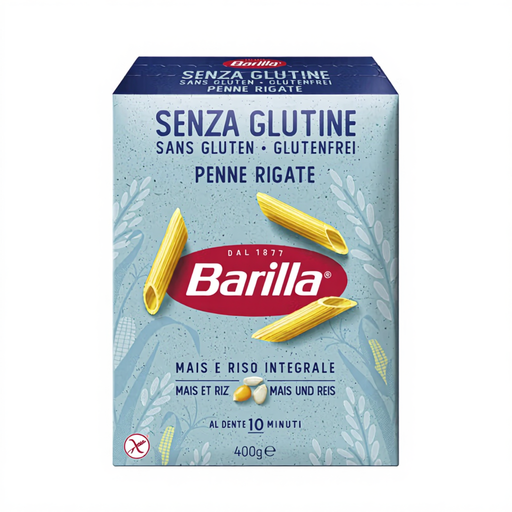 Image unavailable
Barilla Gluten-Free Penne Rigate 400 g
This 400 g pack of penne is worth considering if you’re looking for pasta labelled gluten-free.
For a lactose-free shop, check the ingredients and warnings on the pack; read the ‘of which sugars’ figure per 100 g separately.
View on Joybuy
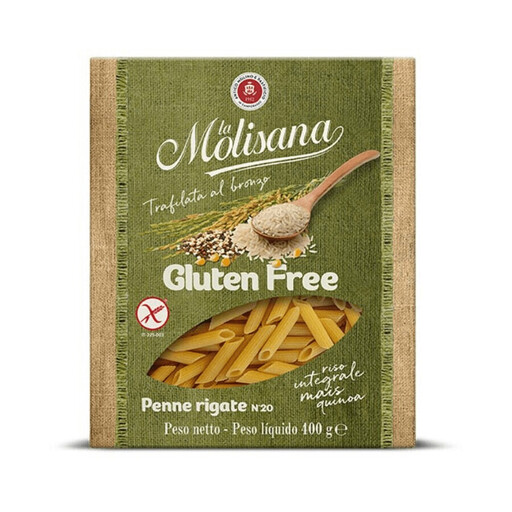 Image unavailable
La Molisana Gluten-Free Penne Rigate N°020
This N°020 variant is worth considering if you’re looking for penne labelled gluten-free.
Check the ingredients, allergens and any milk-related warnings on the pack; compare the declared sugars on a like-for-like basis.
View on Joybuy
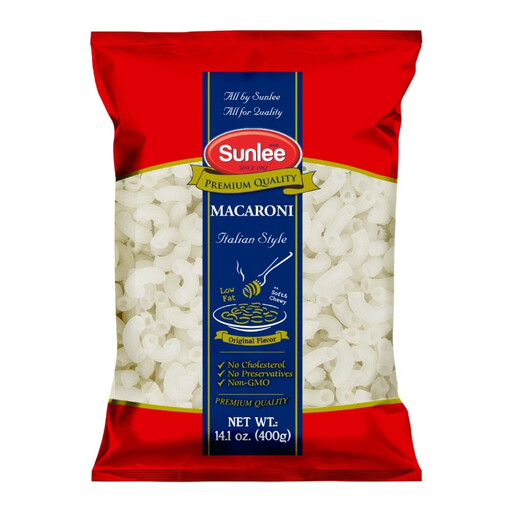 Image unavailable
Sunlee Short Rice Macaroni 400 g
This 400 g pack offers a short rice-based pasta shape as an alternative to classic wheat pasta.
If you’re considering it for a lactose-free shop, check the ingredients and warnings on the pack before comparing its ‘of which sugars’ figure.
View on Joybuy
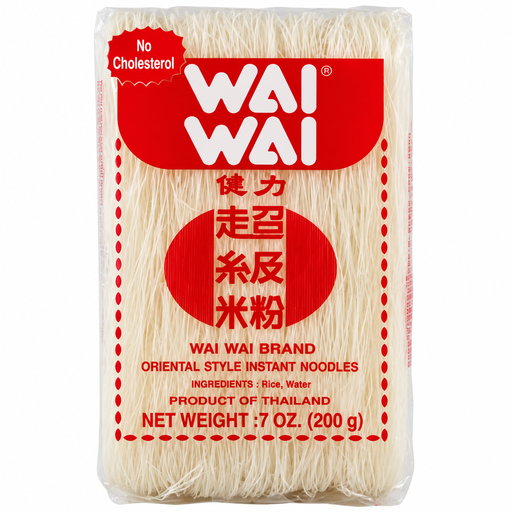 Image unavailable
Wai Wai Rice Vermicelli 200 g
This 200 g pack of rice vermicelli is a noodle option to distinguish from classic pasta when choosing what to cook.
Check the ingredients and warnings on the pack to make sure it suits your lactose-free needs; compare its nutritional values with those of a product intended for the same use.
View on Joybuy
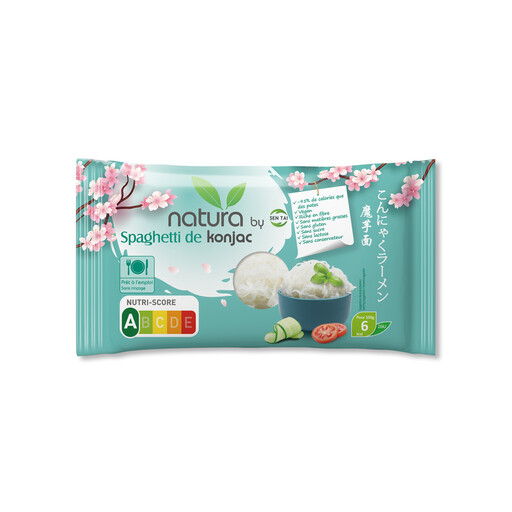 Image unavailable
Natura Konjac Konjac Spaghetti 250 g
This 250 g pack contains konjac spaghetti. Check that this alternative is right for the type of dish you want to prepare.
To check whether it suits your lactose-free needs and compare sugars, consult the ingredients, warnings and per-100 g values on the specific pack.
View on Joybuy
Frequently asked questions
Is gluten-free pasta always lactose-free?
No: ‘gluten-free’ and ‘lactose-free’ refer to two separate criteria. Barilla France lists maize, rice and water for its Gluten-Free Penne Rigate, but the ingredients for this product don’t tell you about all gluten-free pasta. Check the pack you choose.
How can I compare the sugars in two packs of pasta?
Read the ‘of which sugars’ figure per 100 g on products of the same type and sold in the same state. The DGCCRF says that nutritional information per 100 g makes comparisons easier; don’t compare dried pasta directly with a ready meal containing sauce.
Is a low figure enough to call pasta ‘reduced in sugars’?
No: an ‘of which sugars’ figure on its own doesn’t prove that a reduced-sugars claim applies to a product. The DGCCRF reminds consumers that nutrition claims such as ‘reduced sugars’ are governed by Regulation (EC) No 1924/2006; check the exact claim on the pack.
What should I check on the pack when shopping lactose-free?
Check the ingredients list, any highlighted allergens and any warnings for the specific product. Also check the sauce, cream or cheese you plan to serve with it separately: the ingredients in the pasta don’t tell you what’s in the whole dish.


