Households that drink it regularly
If you use several cartons for drinks and recipes, work out how many you’ll actually open and check how long they’ll keep once opened.


For regular lactose-free shopping, choose the pack size based on how many cartons your household gets through and the storage instructions after opening. Don’t assume that a 2 L bottle or a ‘4 pint’ format is the same as the 1 L products featured here. Then choose a recipe to suit how you’ll use it, especially if you want to froth it for coffee, and check the exact packaging for sugars, allergens and lactose information.
If you use several cartons for drinks and recipes, work out how many you’ll actually open and check how long they’ll keep once opened.
If sugar content matters to you, distinguish between ‘sugar-free’ and ‘no added sugars’, then compare the ‘of which sugars’ figure per 100 ml.
If you want to froth it for coffee, check the suggested uses for the specific recipe rather than choosing by brand alone.
For lactose-free shopping, start with the exact product and its label, then choose how many cartons to buy based on how much you use. After that, consider the recipe: a sugar claim, a version designed for coffee and organic certification each meet different needs.
| Criterion | What to check | Consumers concerned |
|---|---|---|
| Pack size and storage | Size of each carton, number of cartons in the multipack and instructions for storage after opening. | When several cartons are used for drinks and recipes at home, I want to avoid opening more than I can use in time. Around 36% of consumers put managing pack size first. |
| Sugars, ingredients and lactose | Ingredients list, allergens, ‘of which sugars’ per 100 ml and lactose information for the exact product. | If I’m choosing a lactose-free drink while keeping an eye on its ingredients, I need to be able to distinguish declared sugars from a simple claim on the front of the pack. This would be a priority for around 29% of consumers. |
| Coffee and cooking | Suggested uses for the recipe, particularly whether it’s suitable for frothing or cooking. | If I mainly make hot drinks, I look for a recipe whose suggested use matches the result I want in my cup. Around 21% of consumers would make this their main criterion. |
| Organic and ingredients | Organic certification shown on the pack, ingredients list and origin where stated. | When organic products or ingredients guide my shopping, I compare labels rather than assuming what a drink contains from its name alone. This would be the top priority for around 14% of consumers. |
Carrefour’s Bio oat drink carries a ‘no added sugars’ claim but contains 5 g of sugars per 100 ml. For its Avoine Sans Sucres recipe, Alpro France states 0 g of sugars per 100 ml.
Compare the ‘of which sugars’ figure in the nutrition information for the product you’re buying.
Alpro France describes its Avoine Sans Sucres recipe as gluten-free, while Carrefour states that another Alpro oat drink contains gluten. The brand alone therefore doesn’t tell you whether every product is suitable.
If gluten is a deciding factor, check the relevant claim and allergens on the exact product’s packaging.
Carrefour says that one Alpro product keeps for 3 to 4 days after opening; Auchan France says its Bio oat drink should be used within five days of opening. These timings apply to different products.
Plan your shopping so you open some cartons now and keep others sealed, then follow the instructions for each one.
The range includes 1 L oat drinks, including an Avoine Sans Sucres recipe.
Oatly offers 1 L oat drink recipes for different uses, including No Sugars and Barista Edition.
Carrefour offers a Bio oat drink in a 1 L carton.
The Bio Village product featured by E.Leclerc is a 1 L Bio oat drink.
Auchan offers a 1 L Bio oat drink for use hot or cold, as well as in cooking.
Lidl France featured a Vemondo Bio oat drink in a pack of 8 × 1 L cartons on 30 September 2026.
These products come in 1 L cartons, sold individually or in packs of three. The Alpro Barista multipack is particularly suited to coffee, while the other two give you a choice of oat drink for everyday use. Check the pack size and label for each product before planning your lactose-free shopping.
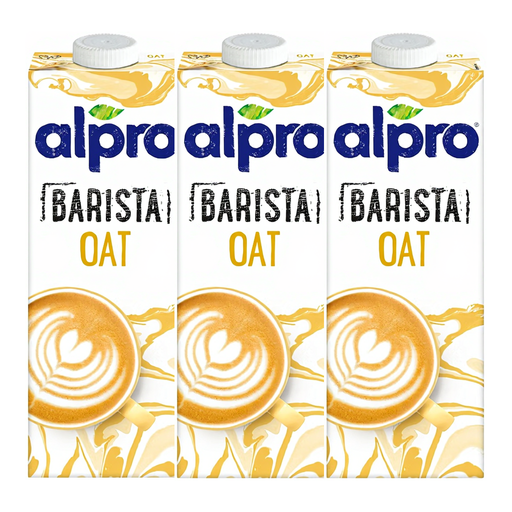 Image unavailable
If you regularly buy oat drink for coffee, check that the guidance for this Barista recipe suits the way you prepare it.
The pack contains three 1 L cartons, not a single 2 L bottle. Check the packaging for allergens and instructions for storage after opening.
 Image unavailable
If you switch between drinks and cooking throughout the week, compare the suggested uses and nutrition information for this product.
The pack contains three 1 L cartons. Check each one for allergens and storage instructions after opening.
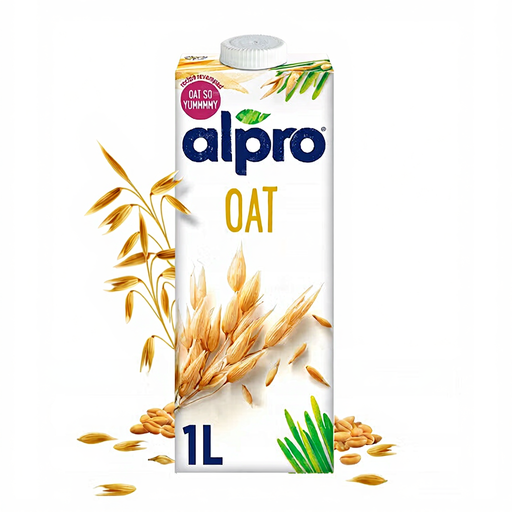 Image unavailable
If you’d rather choose your cartons one at a time for drinks or recipes, buy an amount that suits how much you use.
This product comes in a 1 L carton. Check its label for allergens and how long it keeps after opening; don’t rely on the guidance for a different Alpro drink.
No. Carrefour Bio’s oat drink carries a ‘no added sugars’ claim but contains 5 g of sugars per 100 ml, while Alpro France states that its Avoine Sans Sucres recipe contains 0 g per 100 ml. Always compare the ‘of which sugars’ figure for the exact product.
No, you can’t tell from the category alone. Alpro France describes its Avoine Sans Sucres recipe as gluten-free, while Carrefour states that another Alpro oat drink contains gluten. If this is important to you, check the label and allergens for the exact product.
Follow the storage instructions and use-by period on the carton you choose. Carrefour states that one Alpro product keeps for 3 to 4 days, while Auchan France says its Bio oat drink should be refrigerated and used within five days. Before opening, also check the best-before date on the packaging.
The Auchan Bio oat drink mentioned here is not suitable for this purpose. According to its label, it must not be used in place of breast milk or infant formula for babies under 1 year old. Don’t assume a product is suitable for babies just because it’s plant-based.
Check the ingredients and allergens for the exact product, then look for information about lactose and the nutrition information if sugars matter to you. For prepacked food in France, the DGCCRF reminds shoppers that allergenic ingredients must be highlighted on the label.