If avoiding lactose is your priority, don’t choose a cup just because it’s a single serving: some recipes contain milk or lactose, while others carry a precautionary ‘may contain milk’ warning. Dry rice noodles with a short ingredients list may be easier to check, but they need preparing and aren’t necessarily a single serving. In either case, check the label on the exact product and distinguish between ingredients in the recipe and precautionary warnings.
Who are these formats for?
People who check the ingredients first
You’re looking for a recipe that suits your avoidance needs, even if that means ruling out a cup. The DGCCRF reminds shoppers that allergens must be emphasised on the labels of prepacked foods. Depending on your circumstances, check for any precautionary ‘may contain’ warnings too.
People who want a quick individual lunch
You’re looking for a cup that can be made with hot water in just a few minutes. This format is convenient when you’re short on time, but the flavour name and ‘serves 1’ label don’t tell you whether it contains milk or lactose.
People who prefer to choose their own seasoning
You cook plain noodles, then choose your sauce and toppings separately. This gives you the chance to check every part of your meal, but takes more preparation than a cup.
What should you check first?
When shopping for lactose-free options, start by checking the ingredients and allergen information for the exact product. Then make sure its format and preparation suit the meal you have in mind.
| Criterion |
What to check |
Who it’s for |
| Ingredients |
Read every ingredient, including the seasoning, and distinguish between milk or lactose in the recipe and a ‘may contain milk’ warning. |
I want to check the recipe before choosing a convenient format, because avoiding lactose comes first. Around 50% of consumers prioritise this check. |
| Single serving |
Check for a ‘serves 1’ label or cup format, then read the preparation instructions. |
If I’m having lunch with only hot water to hand, I’m looking for a quick-to-prepare serving. This is a priority for around 30% of consumers. |
| Separate seasoning |
Check how the dry noodles are packaged and read the ingredients of any sauce or toppings you choose separately. |
I’d rather put my own meal together than use the seasoning sachet in a cup, even if it takes longer. Around 20% of consumers put this first. |
Mistakes to avoid
-
Assuming ‘single serving’ means ‘lactose-free’
The format tells you about the quantity and how to prepare it, not what’s in it. According to Auchan’s product listings for the items in question, the Banzaï chicken cup lists lactose and milk, while other recipes contain milk or carry a precautionary ‘may contain’ warning.
Check the ingredients and allergen information before comparing flavours or preparation times.
-
Relying on the flavour name alone
A ‘chicken’, ‘beef’ or ‘teriyaki’ seasoning may contain milk-derived ingredients or carry a precautionary ‘may contain milk’ warning. The flavour name alone won’t tell you.
Read the ingredients for the whole cup, including the seasoning sachets, and take into account the level of avoidance you need.
-
Using a label from another country to choose a product in France
Blue Dragon describes its rice noodles in nests on its Canadian website. Don’t assume that the same ingredients apply to a pack sold in France without checking.
Look for the exact local product and check the information on its packaging when you buy it.
Brands to compare
Carrefour Sensation
The range includes dry rice noodles; the product reviewed here isn’t an individual cup.
- Carrefour’s product listing for its 250 g rice noodles gives the ingredients as ‘rice flour (99.51%), salt’.
- This applies to that specific product and shouldn’t be assumed to apply to the range’s instant or prepared noodles.
Tables du Monde (E.Leclerc / Marque Repère)
The range shown by E.Leclerc includes 250 g packs of rice noodles and 70 g cups of dehydrated noodles.
- These two formats let you compare noodles to cook yourself with a single-serving cup.
- Before choosing a cup when shopping for lactose-free options, check its own ingredients list and allergen information.
Blue Dragon
Blue Dragon’s Canadian website describes rice noodles packaged in four nests, ready to cook and season.
- The website lists rice flour and water for the product described.
- It also warns that the product may contain peanuts and tree nuts, and isn’t a substitute for checking the label on a product sold in France.
Nissin
The 64 g five-spice beef cup featured by Auchan is a single-serving option that’s quick to prepare.
- The preparation time given for this product is 3 minutes.
- Its ingredients list includes milk in the flavourings and milk proteins, so this product isn’t suitable if you’re looking for a recipe that contains no milk.
Tanoshi
The 65 g teppanyaki beef cup featured by Auchan is a single-serving option, with a stated preparation time of 4 minutes.
- Its packaging makes it a quick option when you want an individual serving.
- The listing for this product says ‘may contain milk’. Take this warning into account based on your avoidance needs, but don’t assume it applies to every Tanoshi recipe.
Dry rice noodles available on Joybuy
These two products are rice vermicelli that you prepare and season separately, rather than cup meals. Their packaging doesn’t confirm that they’re single servings. If avoiding lactose or precautionary ‘may contain milk’ warnings is important to your choice, check the label on the pack.
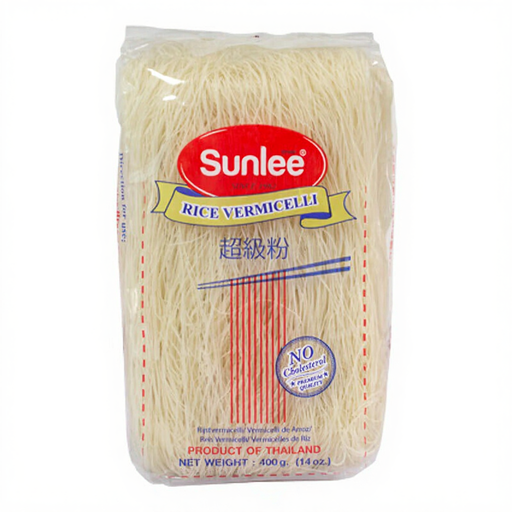 Image unavailable
Sunlee Rice Vermicelli (Thai Style) 400 g
Rice vermicelli to prepare when you want to choose your seasoning separately.
400 g pack; check how many servings suit your meal.
Check the full ingredients list and allergen information on the packaging of the exact product.
View on Joybuy
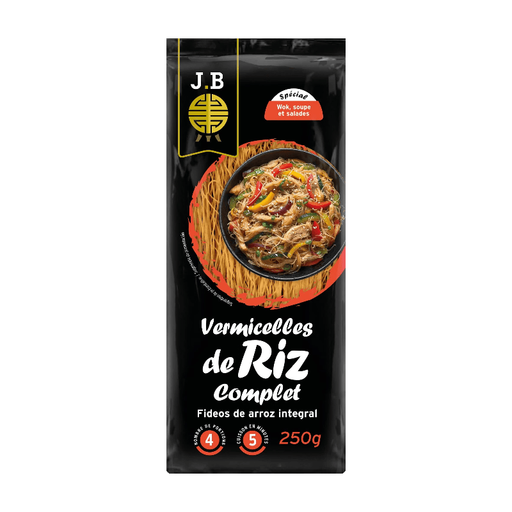 Image unavailable
J.B JAPON Whole Grain Rice Vermicelli 250 g
Dry wholegrain rice vermicelli for a meal that you can season your own way.
250 g pack; the product name doesn’t specify a single serving.
Before buying, check the ingredients, allergens and any ‘may contain milk’ warning on the pack.
View on Joybuy
Frequently asked questions
Is a ‘serves 1’ cup always suitable when shopping for lactose-free options?
No: ‘serves 1’ describes the format, not the ingredients. According to Auchan’s product listings for the items in question, the Banzaï chicken cup lists lactose and milk, the Nissin five-spice beef cup contains milk-derived ingredients, and the Tanoshi teppanyaki beef and Maggi teriyaki cups carry a precautionary ‘may contain milk’ warning. Check the exact recipe before choosing.
What should you check on a pack of prepacked noodles?
Read the full ingredients list and check which allergens are emphasised. Then look separately for precautionary ‘may contain’ warnings if they’re relevant to your needs. The DGCCRF reminds shoppers that allergenic ingredients must be emphasised. Don’t forget to check any seasoning sachets included with the noodles.
Are rice noodles always lactose-free?
No: the fact that noodles are made from rice doesn’t tell you everything about every recipe or seasoning. Carrefour’s listing for Carrefour Sensation rice noodles gives rice flour and salt for that specific product. Check the pack you buy, as well as every ingredient you add to your meal.
What format should I look for if I want a single serving?
Look for a ‘cup’, ‘pot’, ‘serves 1’ or ‘single serving’ label, then check the preparation instructions and ingredients. A 250 g or 400 g pack of dry noodles shouldn’t be treated as a cup just because you can take out one serving.


