People who want to keep drinking milk
You want to limit lactose without replacing cow’s milk in your cereal, hot drink or breakfast recipes. However, lactose-free milk is still a dairy product.


If you want to keep drinking cow’s milk while limiting lactose, choose lactose-free milk. If you need to avoid dairy, opt for a plant-based drink whose ingredients confirm that it contains no milk. For a sweet breakfast, compare the protein, calcium and sugar content of the specific product, and remember to check the allergens.
You want to limit lactose without replacing cow’s milk in your cereal, hot drink or breakfast recipes. However, lactose-free milk is still a dairy product.
You need a drink whose ingredients meet this requirement. Check the ingredients and allergen information for each product rather than relying on the words ‘lactose-free’ alone.
Whether you’re making cereal, porridge, coffee or a sweet recipe, you want to compare protein, calcium, sugars and fat without assuming that all plant-based drinks are the same.
Worth considering: if you want to keep drinking cow’s milk while limiting lactose.
Keep in mind: reducing the lactose does not remove the milk or its proteins.
Worth considering: if you avoid dairy and want to compare the protein content of plant-based drinks.
Keep in mind: soya is an allergen; other characteristics vary by product.
Worth considering: if you prefer a cereal-based drink with your breakfast.
Keep in mind: don’t assume oat drinks have the same protein content as soya drinks; also check the information about gluten.
| Criteria | What to check | Who it matters to |
|---|---|---|
| Milk content | Read the ingredients and allergen information: ‘lactose-free’ does not mean ‘dairy-free’. | I want to avoid dairy and make sure I don’t accidentally buy milk that still contains it; around 36% of consumers make this distinction their priority. |
| Residual lactose | Compare the stated lactose content and type of milk on the packaging. | I want to keep adding cow’s milk to my cereal despite having difficulty digesting lactose; this is the top priority for around 29% of consumers. |
| Protein and calcium | Compare the nutritional values on the same basis, for example per 100 ml, and check the calcium content of the product you choose. | If a plant-based drink becomes my usual morning drink, I want to know what nutrients it provides; around 21% of consumers make this comparison a priority. |
| Sugars and taste | Distinguish the ‘of which sugars’ line from any ‘no added sugars’ claim. | With an already-sweet breakfast, I want to choose a drink I like without assuming its sugar content from its taste alone; this is the top criterion for around 14% of consumers. |
Lactose-free milk is still milk: the ingredients list for Carrefour Classic’ lactose-free milk includes ‘MILK’.
If you need to avoid dairy, check the ingredients and allergen information for the drink you choose.
The product information for Alpro Soya Original and Oat Original lists 3 g and 0.4 g of protein per 100 ml respectively, so their values are not interchangeable.
Check the ‘protein’ line in the nutritional information for the specific product you plan to buy.
According to Lactel, its Matin Léger milk may taste sweeter after the lactose is broken down, without containing more sugars than the brand’s regular milk.
Check the ‘of which sugars’ line and, if it matters to your choice, look for a ‘no added sugars’ claim.
A soya drink contains soya. Alpro Oat Original’s product information also states that it may contain other gluten-containing cereals.
Check the ingredients and allergen information each time you switch to a different variety or recipe.
The Matin Léger range offers the familiar ways to enjoy cow’s milk at breakfast, while being marketed as lactose-free.
Candia+ is lactose-free cow’s milk intended for uses including breakfast.
Soya Original and Oat Original let you compare two plant-based options for cereal, hot drinks and sweet recipes.
The product reviewed is semi-skimmed lactose-free cow’s milk with vitamin D.
These soya and oat drinks are plant-based options for breakfast. Choose a product to suit how you’ll use it, and check its ingredients, allergens and nutritional values before buying.
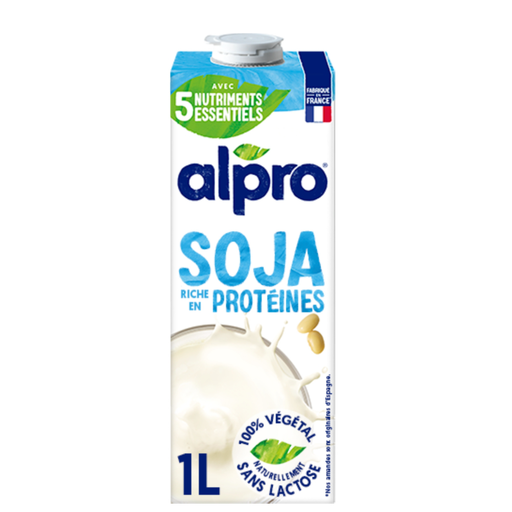 Image unavailable
A soya drink to consider with breakfast. The stated pack size is 1 L; check the allergens and compare the nutritional values using the serving basis shown on the packaging.
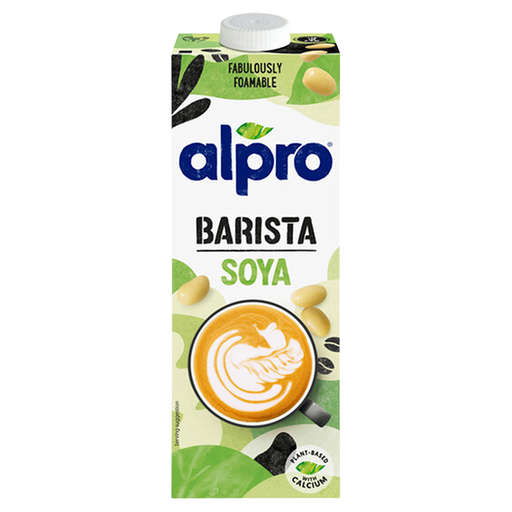 Image unavailable
This soya option may appeal if you make a hot drink at breakfast. The pack size is 1 L; check soya in the allergen information and the ‘of which sugars’ line if your meal already includes sweet foods.
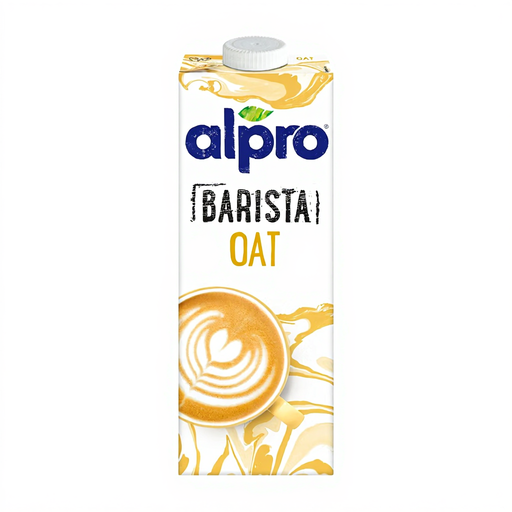 Image unavailable
An oat-based option designed for making coffee, in a 1 L pack. If gluten or calcium is important to you, check the information and nutritional values for this product on the packaging.
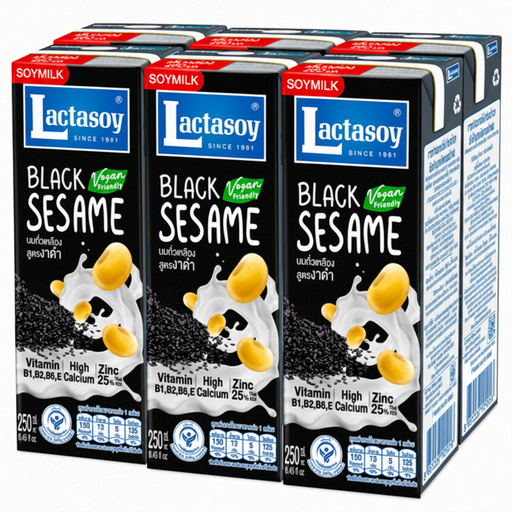 Image unavailable
The 250 ml cartons offer another size for a morning drink. The recipe combines soya and black sesame, so check these allergens and the sugar content per carton if your breakfast is already sweet.
 Image unavailable
This oat drink can be enjoyed with cereal or coffee. Before choosing it, check what ‘0%’ means, the information about gluten and the calcium content if these points affect your decision.
No. Lactose-free milk can still be cow’s milk. Carrefour Classic’ lactose-free milk lists ‘MILK’ among its ingredients; if you avoid dairy, check the ingredients of the product you choose.
No. Removing or breaking down the lactose does not mean that the milk proteins have been removed. Assurance Maladie distinguishes lactose intolerance from a food allergy. If you need to avoid an allergen, check the label and follow the advice of your healthcare professional.
Compare the nutritional values of the specific products on the same basis. Alpro lists 3 g of protein per 100 ml for Soya Original and 0.4 g for Oat Original; these figures shouldn’t be assumed to apply to all soya or oat drinks.
Follow the instructions on the packaging you’ve bought, as they vary by product. For Candia+ lactose-free milk, Candia recommends keeping it chilled between +1 and +6 °C and drinking it within four days of opening.