What should you check?
For drinks for your household, first work out what matters most: avoiding animal milk or reducing lactose while continuing to drink milk. If you’re buying for an infant under one, Anses advises against using everyday drinks as a substitute for breast milk or infant formula.
Lactose-free animal milk
Worth considering: if you want to keep animal milk while reducing lactose; the Lactel and Candia products contain less than 0.1 g of lactose per 100 ml.
The downside: these products still contain milk, so they are not suitable for vegan shopping.
Plant-based drink
Worth considering: for drinks and recipes at home when your aim is to avoid dairy ingredients.
The downside: a product described as plant-based is not, by itself, confirmation of the vegan certification you’re looking for; nutritional values vary from one product to another.
| What matters to you |
What to check |
Who is it for? |
| Ingredients and vegan certification |
Read the ingredients on the exact product and look for your preferred certification logo if it’s essential. |
If I’m making drinks at home without animal ingredients, ‘lactose-free’ alone isn’t enough. Around 36% of consumers put this first. |
| Feeding an infant |
Check your baby’s age and the product description for anything intended as part of their diet, rather than choosing an everyday drink. |
If I’m buying for my baby under one, I need to distinguish their diet from drinks for the rest of the family. This is a priority for around 29% of consumers. |
| Reducing lactose |
Check the stated lactose content and whether milk is listed in the ingredients. |
I want to keep using animal milk, but reduce lactose in drinks and recipes. Around 21% of consumers prioritise this need. |
| How you’ll use it and its nutritional values |
Compare the nutritional information for the exact product, its pack size and any instructions for use after opening. |
A drink I often use for breakfast or cooking needs to suit my recipes and how quickly I’ll use it. For around 14% of consumers, this is the main deciding factor. |
Plant-based drinks for your household on Joybuy
These oat and almond drinks are suitable for everyday household uses, including breakfast, coffee and cooking. Check the ingredients and the logo on the exact product if vegan certification is essential; none of the everyday drinks in this selection should replace the appropriate milk-based feeding for a baby under one.
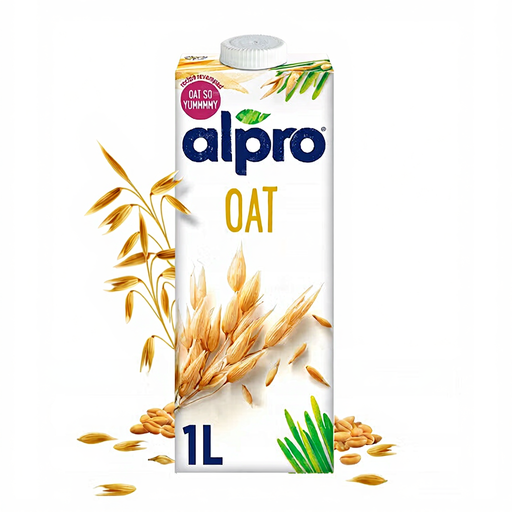 Image unavailable
Alpro Oat Drink 1L
An oat drink to consider for cereal or cooking at home. If a specific vegan certification is essential to your purchase, check for its logo on the packaging.
View on Joybuy
 Image unavailable
NATRUE Oat Drink 0% 1 Liter
An oat drink to consider for breakfast at home. If ‘lactose-free’ or vegan claims are essential, check the label on the exact product; also check the allergen information.
View on Joybuy
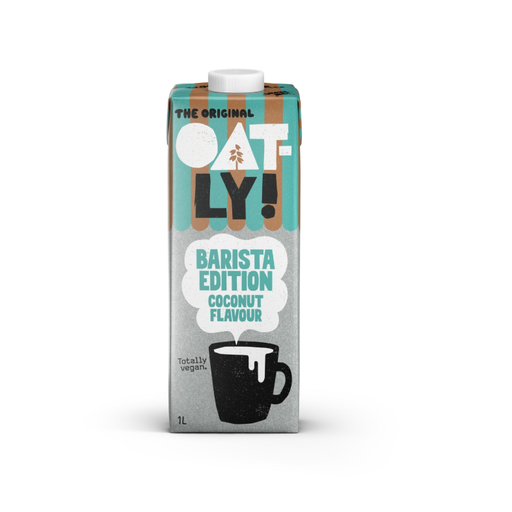 Image unavailable
OATLY Barista Coconut Flavour 1L
A coconut-flavoured oat drink for barista-style drinks. Before choosing it, check that the flavour suits your drinks and look for the claims you want and the sugar content on the packaging.
View on Joybuy
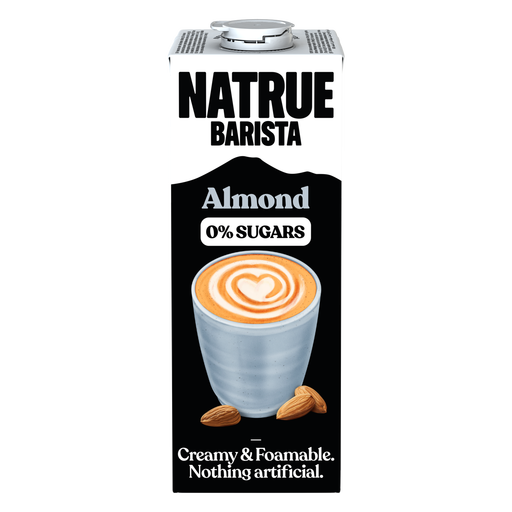 Image unavailable
NATRUE 0% Almond Drink Barista Edition 1L
An almond drink for barista-style drinks. Check the allergen information and, if needed, look for ‘lactose-free’ claims and vegan certification on the exact product.
View on Joybuy
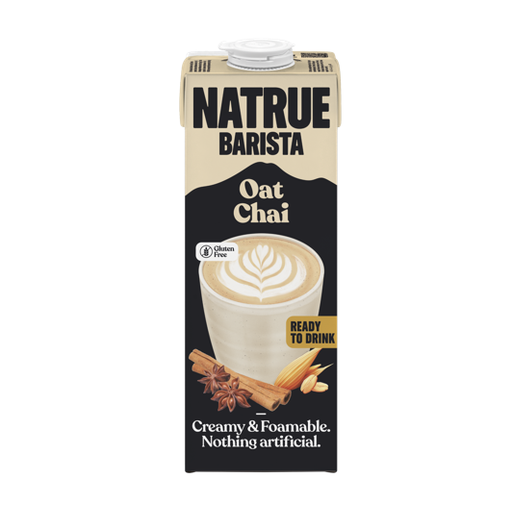 Image unavailable
NATRUE Chai Latte Oat Drink 1L
A chai-flavoured oat drink to consider if you’re looking for a flavoured drink rather than a plain base for recipes. Check the nutritional information and the claims you’re looking for on the packaging.
View on Joybuy
Frequently asked questions
Is lactose-free milk vegan?
No, not necessarily: the lactose-free Lactel and Candia products featured here contain animal milk. The presence of lactase and the reduction in lactose don’t change where the milk comes from; if you’re buying vegan products, read the ingredients on the exact product.
Can a plant-based drink or lactose-free milk replace milk for a baby under one?
No, not if it’s an everyday drink. Anses advises that everyday plant-based and animal-based drinks cannot replace breast milk or suitable infant formula. If you suspect an allergy or intolerance, discuss the choice of formula with a doctor.
How can you check that a drink has vegan certification?
Check for the certification logo on the packaging of the exact product, then read its product description and ingredients. ‘Plant-based’ doesn’t automatically mean a product carries a particular label; Vegan Action’s certification criteria exclude milk and dairy products, among other things, but that doesn’t mean every plant-based drink is certified.
Does a plant-based drink have the same nutritional values as lactose-free milk?
No, you shouldn’t assume the recipes are nutritionally equivalent. For these specific examples, Bjorg’s oat drink contains 0.5 g of protein per 100 g, while the Lactel and Candia milks mentioned each contain 3.3 g per 100 ml. Compare the nutritional information and units on the product you’re thinking of buying.


