People with coeliac disease
When choosing an evening hot drink, it’s important to distinguish between reduced lactose and a ‘gluten-free’ statement on the specific product you buy.


For an evening hot drink, choose lactose-free milk by checking its stated lactose content, then compare the fat content and pack size with how you plan to use it. If you have coeliac disease, ‘lactose-free’ does not guarantee that a product is gluten-free: check the packaging of the specific product you buy and look for a ‘gluten-free’ statement when you need that assurance. Lactose-free milk is still milk, so it is not suitable if you have a milk protein allergy.
When choosing an evening hot drink, it’s important to distinguish between reduced lactose and a ‘gluten-free’ statement on the specific product you buy.
If you want to keep milk in your hot drink, compare the stated residual lactose content of each variant. Fat content and your personal tolerance also matter.
If you only use a little milk at a time, the pack size and how long it keeps once opened can help you decide.
Start with the dietary requirement behind your purchase. Then compare the fat content, pack size and storage instructions after opening to find a product that suits how often you use it.
| What matters | What to check | Who it’s for |
|---|---|---|
| Gluten | If you need an explicit guarantee, check for a ‘gluten-free’ statement on the packaging of the variant you buy. In the European Union, European Commission Implementing Regulation (EU) No 828/2014 sets a maximum gluten content of 20 mg/kg for this statement on food sold to the final consumer. | If I have coeliac disease, I can’t rely on ‘lactose-free’ alone when choosing my evening drink. Around 46% of consumers put checking for gluten first. |
| Lactose and milk | Check the residual lactose content and ingredients list for the specific product. Lactose-free milk still contains milk proteins. | I want to keep milk in my hot drink while reducing lactose; a milk protein allergy is a different concern. Around 36% of consumers prioritise reducing lactose. |
| Pack size and fat content | Compare the fat content per 100 ml, the pack size and the storage instructions after opening. | If I rarely make a hot drink, I want to finish the pack within the stated time after opening and choose a variant that suits me. Pack size and fat content are the top priority for around 18% of consumers. |
These statements relate to two different things. Choosing a product for its lactose content does not, by itself, provide the assurance you need for a strict gluten-free diet.
If you need that assurance, look for a ‘gluten-free’ statement on the packaging of the specific product you buy.
Reducing the lactose does not remove the milk proteins. French Health Insurance distinguishes between a milk protein allergy and lactose intolerance.
Check the ingredients and allergens. If you have a diagnosed or suspected allergy, ask a healthcare professional which alternative to choose.
How long milk keeps after opening depends on the product. A large pack may not be practical if you only make a hot drink from time to time.
Compare the pack size with how much you usually use, and follow the storage instructions on the pack you choose.
You may have to throw away any milk left over if you don’t use it within the stated time after opening.
A product listing doesn’t always show all the information on each pack.
Check the full product details, then confirm the ingredients, allergens and any necessary statements on the product you receive.
The Matin Léger range includes lactose-free UHT milk, with whole, semi-skimmed, skimmed and organic variants.
Candia offers several lactose-free Candia+ products, including a standard version and variants with different compositions.
Carrefour stocks lactose-free milk under its own brand, as well as products from other brands.
Auchan’s own-brand range includes semi-skimmed lactose-free UHT milk.
E.Leclerc lists Delisse lactose-free milk in 50 cl and 1 L bottles.
Check Lidl’s locally available products for suitable options.
These two Alpro plant-based drinks are suitable for hot drinks and are different from the lactose-free dairy milks featured above. If you need a ‘gluten-free’ statement, check the pack you buy; also check the allergens.
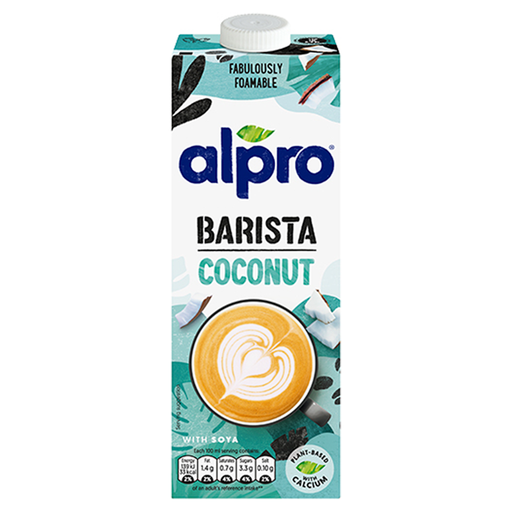 Image unavailable
A coconut-based option to consider for a hot drink without dairy milk. It comes in a 1 L pack; check the allergens and any ‘gluten-free’ statement you need on the packaging.
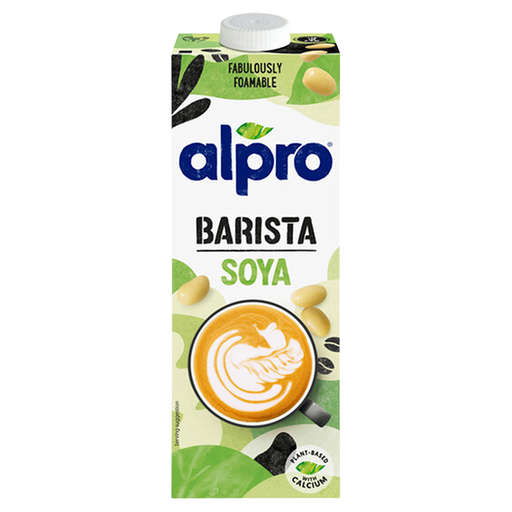 Image unavailable
A soya-based option to consider for a hot drink without dairy milk. It comes in a 1 L pack; check the allergens and any ‘gluten-free’ statement you need on the packaging.
No. ‘Lactose-free’ refers to the sugar in milk, not gluten. In the European Union, European Commission Implementing Regulation (EU) No 828/2014 sets a maximum gluten content of 20 mg/kg for the ‘gluten-free’ statement on food sold to the final consumer. If you need this assurance, check for the statement on the specific product you buy.
No. Lactose-free milk is still milk and contains milk proteins. French Health Insurance distinguishes this allergy from lactose intolerance. If you have a diagnosed or suspected allergy, ask a healthcare professional which alternative to choose.
First choose according to your dietary requirements, then pick a pack size you can finish within the stated time after opening. If you’re choosing between different milk variants, compare the fat content per 100 ml too.
Follow the instructions on the specific pack, as storage times vary between products. Lactel advises using one of its organic whole milk products within three days, while Auchan advises keeping one of its lactose-free UHT products in the fridge for five days at a maximum of 6 °C.