Parents of children avoiding lactose
For a family recipe, the first question is whether the need is to avoid lactose or milk proteins. A lactose-free dairy cream won’t meet both needs in the same way.


For a lactose-free family recipe, first check the ‘lactose-free’ claim and the ingredients list: the dairy creams featured here still contain milk, so they are not suitable if milk proteins need to be avoided. Then choose thick cream for binding or topping, or pourable cream for pouring and stirring in. Among Auchan’s pourable options, the 15% and 30% fat versions suit different preferences, though the fat content alone won’t determine how your dish tastes.
For a family recipe, the first question is whether the need is to avoid lactose or milk proteins. A lactose-free dairy cream won’t meet both needs in the same way.
Thick cream can work well in a recipe that needs binding or topping, while pourable cream is easier to pour and stir in. The recommended use for the specific product matters just as much as its name.
From a thick 4% fat product to pourable creams with 15% or 30% fat, the choice comes down to both composition and texture. A lower fat content won’t guarantee the result you want in every recipe.
First, distinguish lactose from milk proteins. Then choose the texture, fat content and pack size to suit your recipe and how much you’ll use.
| Criterion | What to check | Who it matters to |
|---|---|---|
| Lactose and milk | Check the ‘lactose-free’ claim and the ingredients. If milk proteins need to be avoided, don’t assume that ‘lactose-free’ means ‘dairy-free’. | I’m looking for lactose-free cream for a family dish, but I also need to know whether it contains milk; around 36% of consumers put this distinction first. |
| Texture and recipe | Compare thick cream, for binding or topping, with pourable cream, for pouring or stirring in. Check the recommended use for the specific product. | For mash or a sauce for children, I want to choose the consistency before I start cooking; around 29% of consumers prioritise texture. |
| Fat content | Check the fat content of the product you choose: the products featured include a thick 4% fat option and pourable creams with 15% and 30% fat. | I want to adjust the composition of my sauce without confusing fat content with being lactose-free; around 21% of consumers make fat content their top criterion. |
| Pack size and storage | Compare the quantity in each pack and follow the storage instructions on the packaging of the product you buy. | If I only use a little cream with each meal, I want a pack size that suits how I use it; around 14% of consumers prioritise packaging. |
Assurance Maladie distinguishes lactose intolerance, which affects how the body digests a sugar found in milk, from the need to avoid milk proteins. The lactose-free dairy creams featured here still contain milk.
Check the ingredients as well as the front of the pack. If a healthcare professional has told your child to avoid milk proteins, ask them for advice before choosing a substitute.
The percentage doesn’t tell you whether the cream is thick or pourable. A topping and a sauce to pour over food may not need the same texture.
First decide how you want the cream to work in your recipe, then compare the fat content of products with the texture you’re looking for.
Auchan says the 33 cl Elle & Vire pouch keeps for up to 15 days after opening. This guidance applies to that product only, not to other pack types.
Follow the instructions for the product you actually buy and choose a pack size that suits how much you expect to use.
A pack that’s too large for your needs could lead to waste once opened.
These products illustrate the different textures and pack sizes available for lactose-free dairy creams. Always check the exact variant before using it in a recipe.
Elle & Vire offers a thick, lactose-free dairy product with 4% fat in a 33 cl pouch, suitable for use hot or cold.
Auchan offers two lactose-free UHT pourable creams in packs of 3 × 20 cl: a light 15% option and a full-fat 30% option.
Carrefour offers a 30% fat, lactose-free full-fat crème fraîche and a 15% fat, lactose-free light pourable cream for cooking under its LAC brand.
E.Leclerc offers lactose-free Delisse UHT cream with 30% fat, in a pack of 3 × 20 cl.
These two products are coconut creams, not lactose-free dairy creams. If you’re considering a different base for a recipe, check the packaging for ingredients, allergens and whether the product meets any avoidance requirements, as well as whether its flavour suits the dish.
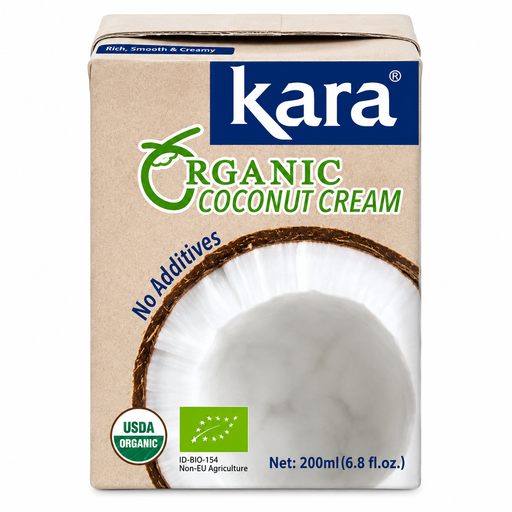 Image unavailable
If your recipe only calls for a small amount of coconut cream, this 200 ml pack may be a better fit than a larger size.
UHT coconut cream with 24% fat, according to the product name. Check the ingredients and storage instructions on the packaging before using it instead of fresh cream in a recipe for children.
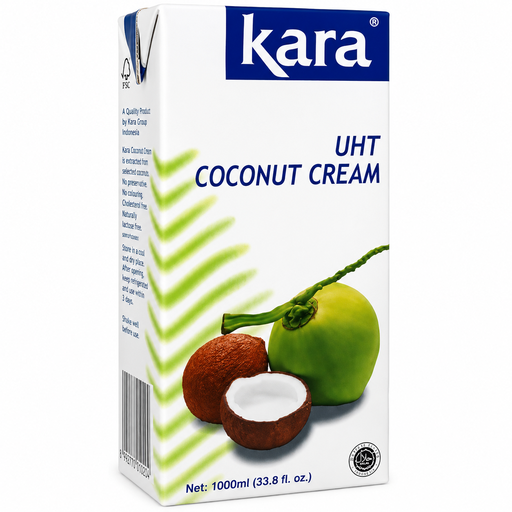 Image unavailable
If you’re planning several recipes with coconut cream, compare this 1-litre pack with the amount you’ll be able to use after opening.
UHT coconut cream with 24% fat, according to the product name. For a family recipe, check the ingredients, allergens and storage instructions on the packaging.
Not just because it says ‘lactose-free’: the dairy creams featured here still contain milk. Assurance Maladie explains that lactose intolerance affects how the body digests a sugar found in milk. If your child needs to avoid milk proteins, ask their healthcare professional to confirm which product is suitable.
Choose thick cream if you want to bind the mash, while pourable cream is easier to pour and stir in. Elle & Vire says its thick lactose-free product with 4% fat can be used hot or cold. Also check the instructions for the product you choose for your recipe.
Check the exact product name, the ‘lactose-free’ claim, the ingredients and allergens, then the quantity and storage instructions. This information will help you tell dairy cream apart from coconut cream and choose a pack size that suits the meals you have planned.