If you need to limit lactose, start by checking for a ‘lactose-free’ claim and reading the product’s ingredients. Don’t assume it’s suitable based on terms such as ‘gourmet’, ‘churned’ or ‘PDO’. A traditional butter may be just what you’re looking for in terms of flavour, while a lactose-free fat spread may have a different recipe. And if you need to avoid milk, a ‘lactose-free’ claim alone isn’t enough.
Who are these options for?
People limiting lactose without giving up a buttery taste
You’re looking for a spread for toast or an ingredient for cooking, and want to find a ‘lactose-free’ option that still has the flavour you’re after. The recipe matters just as much as the product description. For example, the Zuger product listed by Naturalia combines lactose-free butter with rapeseed oil.
Fans of full-flavoured butter
You’re interested in descriptions such as ‘gourmet’, ‘churned’ or ‘nutty’, and can eat traditional butter. Carrefour describes its Maison Lescure butter as having a nutty flavour, for example. That flavour description alone doesn’t tell you how much lactose it contains.
People who need to avoid milk
You need to check for ingredients derived from milk, not just lactose. Assurance Maladie distinguishes lactose intolerance, which affects how the body digests milk sugar, from a food allergy, which involves the immune system. If you have a milk allergy, discuss your food choices with your healthcare professional.
What should you check first?
Traditional full-flavoured butter
Worth considering: if flavour is your priority and you can eat dairy products.
Bear in mind: a gourmet description or PDO status doesn’t mean a product is ‘lactose-free’.
Fat spread labelled as lactose-free
Worth considering: if limiting lactose is your priority and the ingredients suit the way you plan to use it.
Bear in mind: a blend of butter and oil isn’t the same as pure butter.
| Criteria |
What to check |
Who is it for? |
| Limiting lactose |
Check for a ‘lactose-free’ claim on the exact product, then check its name and ingredients. |
When I’m limiting lactose in my shopping, I want to be able to identify a suitable product before choosing it. Around 40% of consumers put this compatibility first. |
| Flavour |
Check the flavour description and what type of product it is. Don’t assume that ‘gourmet’, ‘churned’ or ‘PDO’ means ‘lactose-free’. |
If I’m mainly looking for a more full-flavoured butter, I compare the options while checking lactose separately. Around 40% of consumers put flavour first. |
| Avoiding milk |
Check the ingredients and the MILK allergen, even if the product is labelled ‘lactose-free’. |
If I need to avoid milk, the absence of lactose doesn’t answer my question about ingredients derived from milk. Avoiding milk is the top priority for around 20% of consumers. |
Common misconceptions to avoid
-
Confusing ‘lactose-free’ with ‘dairy-free’
A lactose-free product may still contain ingredients derived from milk. Assurance Maladie distinguishes food allergies from lactose intolerance, so the two claims don’t meet the same needs.
If you need to avoid milk, check the ingredients and the MILK allergen. DGCCRF reminds shoppers that allergens must be highlighted in the ingredients list of prepacked foods.
-
Mistaking a flavour description for information about lactose
Carrefour lists ‘Cream (MILK)’ among the ingredients of its Maison Lescure PDO unsalted butter, which it also describes as having a nutty flavour. The claimed flavour and the ingredients are two different things.
First decide whether you need a ‘lactose-free’ claim, then compare the flavours of products that meet that requirement.
-
Assuming every lactose-free fat spread is pure butter
The Zuger product listed by Naturalia contains lactose-free butter, rapeseed oil and lactose-free buttermilk. It therefore isn’t made in the same way as pure butter.
Whether you’re making toast or following a recipe, check the product name and ingredients before swapping one product for another.
Brands to consider
Président
The Président butter range includes products such as Gastronomique and Saveur Gastronomique, as well as a choice of pack sizes.
- The range names give you a starting point for comparing products by flavour and format.
- If you need a ‘lactose-free’ product, check the label of the exact product you’re buying.
Maison Lescure
Carrefour describes Maison Lescure PDO unsalted butter, made in Surgères, as having a nutty flavour.
- This description may appeal if you’re looking for traditional butter with a distinctive flavour.
- Carrefour lists ‘Cream (MILK)’ among the ingredients; the flavour description doesn’t mean the product is ‘lactose-free’.
Carrefour
Carrefour’s range includes Classic' gourmet butters, Original churned butter and Extra mountain butter.
- These product names make it easier to spot different types of butter to compare individually.
- Check the ingredients and any lactose-related claim separately for the product you choose.
Zuger
Naturalia lists a lactose-free Zuger fat spread made with lactose-free butter, rapeseed oil and lactose-free buttermilk.
- The ingredients listed on the product page help you distinguish it from pure butter before deciding how to use it.
- It isn’t described as mature or aged butter. And ‘lactose-free’ doesn’t mean ‘dairy-free’.
A Joybuy product for cooking
This ghee is worth considering for cooking if you want a buttery flavour; its name alone doesn’t make it a substitute for aged butter to spread on toast. If you’re buying it because you need to avoid lactose, check the claim and allergens on the exact product.
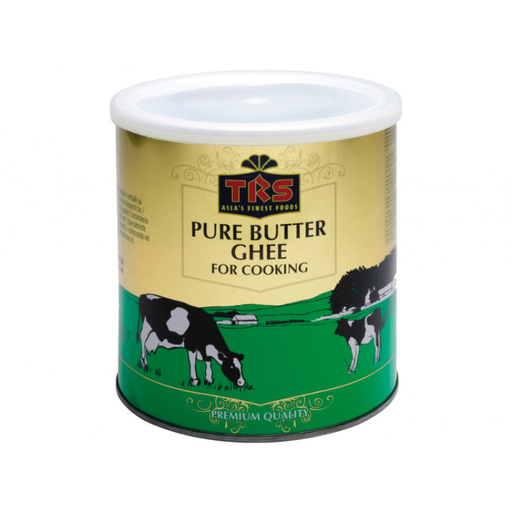 Image unavailable
TRS Pure Butter Ghee 500 g
Worth considering if you’re looking for ghee for cooking rather than aged butter to spread on toast.
Listed size: 500 g. Before buying it to avoid lactose or milk, check the relevant claim, ingredients and allergens on the exact product.
View on Joybuy
Frequently asked questions
Is gourmet or PDO butter always lactose-free?
No. These terms don’t mean a product is ‘lactose-free’. Check the label of the exact product. For example, Carrefour’s product page for Maison Lescure PDO unsalted butter lists ‘Cream (MILK)’ among its ingredients.
Is ‘lactose-free’ suitable if I have a milk allergy?
A ‘lactose-free’ claim isn’t enough to help you choose a food if you have a milk allergy. Assurance Maladie distinguishes food allergies from lactose intolerance. Check the ingredients and the MILK allergen, and follow the advice of your healthcare professional.
What should I check on the label before choosing?
Start with the product name, any ‘lactose-free’ claim and the ingredients list for the exact product. If you need to avoid milk, also check the highlighted allergens. DGCCRF sets out this requirement for prepacked foods.
Can I use a lactose-free fat spread instead of pure butter in a recipe?
Don’t assume they have the same recipe. Naturalia’s product page for Zuger lists 64% lactose-free butter and 26% rapeseed oil, as well as lactose-free buttermilk. Check the ingredients if the type of fat matters for your recipe.


