
Livraison le jour même ou le lendemain

Qualité garantie

Débloquez vos offres de bienvenue: Livraison GRATUITE | Jusqu'à -80 % | 30 jours d'essai gratuits à JoyPlus
Téléchargez l'application
A Labello lip balm can simply find its place in your bag, occasionally replace a lipstick with a touch of colour, or protect your lips from the sun on the terrace, out hiking or at the beach. From one product to the next, the differences aren't just about scent or design.
Certain mistakes crop up time and again when buying: choosing a sun protection factor that's too low for your intended use, falling for a shade without checking how it looks, or opting for a fragranced formula that doesn't suit sensitive lips. The result? A practical purchase that ends up at the bottom of a drawer. Here are the criteria to consider before choosing your next lip care product.
The phrase "24-hour lip hydration" appears on several products. However, this is based on an instrumental test carried out on a set number of volunteers, not a guarantee that it will work the same for every user, regardless of the weather, meals or how often you apply it. The Hydro Care products, for example, indicate an instrumental test conducted on 39 volunteers.
In everyday life, lips exposed to cold, wind or dry air may need several applications. A hydrating stick should therefore be easy to apply and carry above all else: it's better to have a product you'll actually use than a promise of care limited to a single daily application.
An SPF 15 lip balm can be suitable for moderate daily sun protection, particularly in town. For longer exposure, an SPF 30 lip balm or an SPF 50 lip balm offers a higher level of protection, as stated on the packaging.
This doesn't mean you can skip reapplying, especially after eating, drinking, swimming or wiping your lips. The Sun Protect SPF 50 product is described as water-resistant, yet still recommends regular reapplication.
A tinted lip balm can deposit a red, pink or nude shade, while a glossy balm gives a luminous effect. The result is generally more subtle than a classic lipstick, but it varies depending on your natural lip colour and how many layers you apply.
Fruity, vanilla or minty scents also come down to personal preference. If your lips react easily to fragranced products, take the time to check the INCI list. Product descriptions may mention flavourings, linalool, citronellol or other fragrant components.
The 4.8 g stick is particularly handy for on-the-go use: it applies directly and slips easily into a pocket or make-up bag. The 10 ml tube, like the Labello Hyaluron Glow, is applied with your finger and can give a glossier finish.
For dry or chapped lips, go for a comfortable texture containing ingredients such as oils, waxes, glycerin, shea butter or sodium hyaluronate. These ingredients describe the product's composition, but they don't constitute a medical promise about the result.
The SPF should be chosen based on how you'll use it:
Having an SPF doesn't turn a lip balm into a complete sun protection product for your face. Follow the instructions on the packaging and limit direct sun exposure.
A hyaluronic lip balm can suit those looking for a lightweight texture and a feeling of comfort. The Labello Hyaluron products mention sodium hyaluronate, glycerin and vitamin E. The Glow Berry version adds a coloured tint, a glossy finish and SPF 30.
For a family routine, an untinted balm like Hydro Care or Original remains versatile. If you're after a subtle make-up effect, the Fruity Shine, Pearly Shine or Caring Beauty ranges offer different colour intensities. If you have sensitive skin, check the ingredients list and stop using the product at the first sign of irritation.
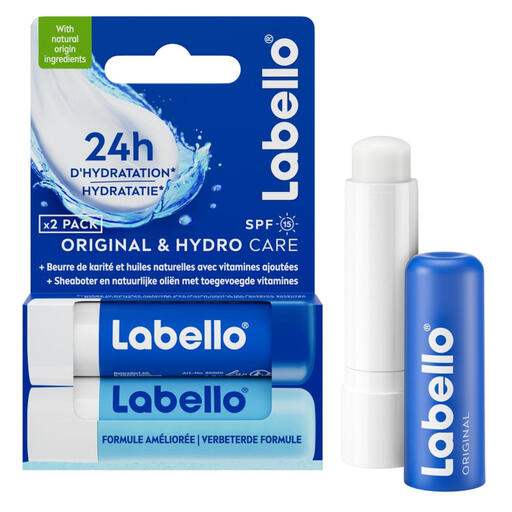
Why this choice suits this profile: This duo lets you split two sticks between your bag, bathroom or different family members, with an Original version and a Hydro Care SPF 15 version.
It avoids having to choose just one scent or finish when you're new to the range, while including SPF 15 protection in the Hydro Care model.
A duo of sticks, natural oils, shea butter and a creamy texture. The brand mentions 24 hours of hydration, based on an instrumental test carried out on 39 volunteers.
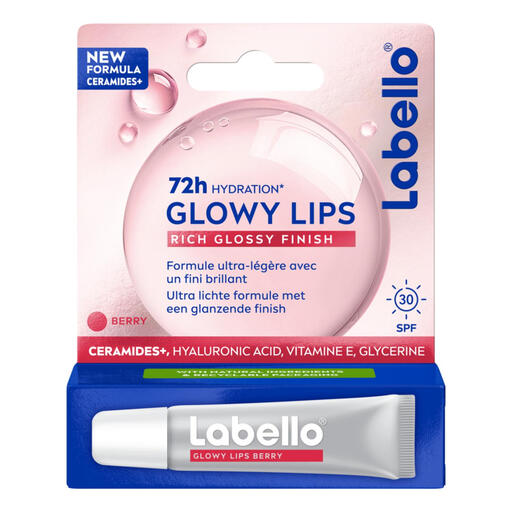
Why this choice suits this profile: The 10 ml tube combines a glossy finish, a subtle berry tint and a formula containing sodium hyaluronate, glycerin and vitamin E.
It doesn't rely solely on colour: the SPF 30 and hydrating agents are clearly stated, making it easier to compare with a standard tinted balm.
A portable 10 ml format, a lightweight finish described as non-sticky, SPF 30 protection and a subtle Glow Berry tint.
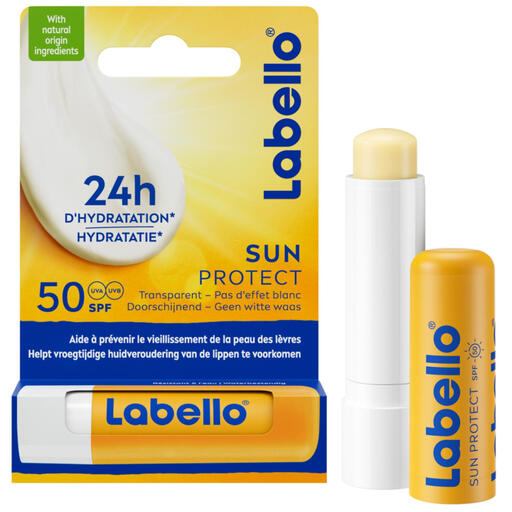
Why this choice suits this profile: Its SPF 50 is aimed at people who spend a lot of time outdoors, particularly during summer activities, mountain trips or days at the beach.
It avoids choosing an SPF 15 for prolonged exposure. The product page states it's water-resistant, but still recommends reapplying after swimming or a meal.
SPF 50, natural oils, shea butter and a texture described as melting. The 24-hour claim is based on an instrumental test carried out on 40 volunteers.
We've put together a comprehensive list, updated in real time, of products that meet these strict selection criteria and European safety regulations.
The shelf life depends on the product and the information printed on its packaging. Keep the stick or tube away from heat and sunlight. Avoid sharing it and replace it if its smell, texture or colour changes. For the best-before date, check the packaging directly.
A formula containing oils, waxes, shea butter or glycerin can provide a feeling of comfort. Apply the balm regularly, especially before going out in cold or windy weather. If the discomfort persists, worsens or is accompanied by an unusual reaction, seek advice from a healthcare professional.
It generally gives a lighter colour and a softer finish than a lipstick. The Fruity Shine, Caring Beauty, Glow Berry or Pearly Shine products let you choose between tint, shine and sun protection. For a stronger result, several layers can intensify the colour, depending on the formula and shade you choose.