For a topping to melt or chocolate to stir into pancake batter, choose a bar marketed for baking. For chunks or shavings, start with the flavour and inclusions you want. If Fairtrade is a priority, check for the Fairtrade/Max Havelaar label on the exact product and read the details on the back if there’s an arrow next to the logo. Also compare the ingredients, allergens and nutritional values per 100 g: according to the French Ministry of Agriculture, Nutri-Score is optional in France.
Who are these criteria for?
People looking for fairly traded cocoa
You want to know which ingredients are covered by the certification, rather than relying on a general claim on the packaging. Max Havelaar France recommends checking the back of products with an arrow next to the label.
People making a melted chocolate topping
You’re looking for chocolate intended for cooking, to make a sauce or prepare pancake batter, and need to distinguish this from a bar chosen for its chunks or inclusions.
Households comparing ingredients and quantity
You need to check the sugars, allergens and amount required for your recipe. As the DGCCRF points out, the nutrition declaration and net quantity are among the details to check on a prepacked chocolate bar.
What should you look for in chocolate for pancakes?
First decide whether you’ll melt the chocolate or serve it in pieces. Then check the Fairtrade label and ingredients on the bar you’ve chosen.
| Criteria |
What to check |
Who is it for? |
| Fairtrade certification |
Look for the Fairtrade/Max Havelaar label. If there’s an arrow next to it, check the back to see which ingredients and type of traceability it covers. |
I want to be able to tell what the label covers, whether it’s the cocoa or other ingredients in my chocolate bar. Around 36% of consumers prioritise this verifiable certification. |
| How you’ll use it in the recipe |
Check whether the product is marketed for baking and whether it contains inclusions before planning to melt it. |
To make a sauce or stir chocolate into my batter, I first choose according to the stated culinary use. Around 29% of consumers prioritise a product that suits their recipe. |
| Ingredients and allergens |
Compare the sugars per 100 g, the ingredients list and the allergens highlighted on each product. |
If I’m serving pancakes to several people, I need to know the ingredients and allergens in the chocolate bar I’m using. Ingredients are the main consideration for around 21% of consumers. |
| Quantity needed |
Check the net quantity and work out how many bars you’ll need for your recipe. |
When I’m making several pancakes, I want enough chocolate without choosing a pack size at random. Around 14% of consumers put having the right quantity for their recipe first. |
Packaging pitfalls to avoid
-
Assuming it’s a mistake if there’s no Nutri-Score
According to the DGCCRF and the Ministry of Agriculture, displaying a Nutri-Score is voluntary in France. Its absence doesn’t replace the need to check the nutritional information on a prepacked chocolate bar.
Compare the nutritional values per 100 g and the ingredients list. Use the Nutri-Score if it’s displayed, but don’t rely on it as your only criterion.
-
Assuming the Fairtrade logo covers every ingredient
Max Havelaar France explains that, on a composite product, an arrow next to the label refers you to information on the back of the packaging.
Read this information to find out which ingredients are certified and what type of traceability applies to the product.
-
Choosing a pack size without working out how much chocolate you need
One bar may not be enough for the number of pancakes you’re making or the thickness of topping you want.
Start with the quantities in your recipe, then check the net quantity of each bar.
-
Overlooking the ingredients in a filled chocolate bar
If a recipe contains milk, nuts, biscuits or a filling, you’ll need to check the ingredients and declared allergens carefully.
Before serving the pancakes, check the full ingredients list and highlighted allergens on the exact product packaging.
Brands to consider by type of chocolate bar
Milka
Milka France offers milk chocolate bars in a range of textures, including crunchy, crisp and smooth, depending on the product.
- The textures available can help you choose a bar to use in pieces as a topping.
- Check the chosen bar for a Fairtrade label, allergens and the stated use if you want to melt it.
Lindt
Lindt France sells a range of chocolate bars. Check each recipe individually when choosing one for pancakes.
- The cocoa and ingredient details on a product can help you choose the flavour you’re looking for.
- You can’t tell whether a product has a Fairtrade label, how much sugar it contains or whether it’s suitable for baking from the brand name alone.
Côte d’Or
Côte d’Or offers chocolate bars across its different chocolate ranges.
- You can choose a bar by looking at its recipe and the type of topping you want.
- Check the exact product for its stated cocoa content, allergens, any Fairtrade label and serving suggestions.
Joybuy chocolate bars for different uses
These bars include chocolate marketed for baking, as well as recipes to consider using in pieces or shavings on pancakes. A brand name, an organic claim or the cocoa content alone doesn’t confirm Fairtrade/Max Havelaar certification.
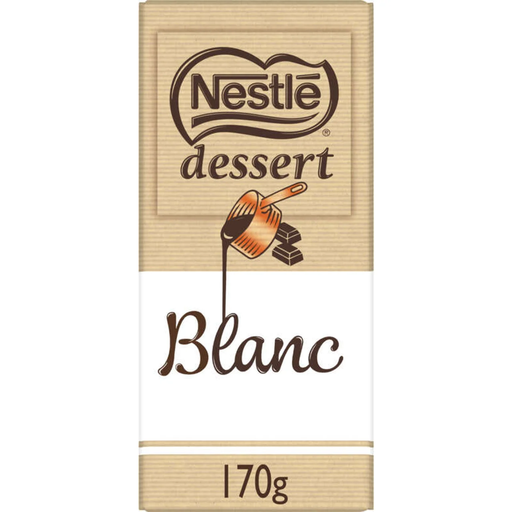 Image unavailable
NESTLÉ DESSERT white baking chocolate, 170 g
Consider this if you want to stir white chocolate into pancake batter: its name indicates that it’s for baking. Check the packaging for allergens and any Fairtrade label you’re looking for.
View on Joybuy
 Image unavailable
Lindt Excellence dark chocolate, 85% cocoa, 100 g
Consider this for adding dark chocolate shavings to pancakes if the cocoa content matches the flavour you’re after. If you’re planning to make a melted chocolate sauce, check the recommended use for this product and look for any Fairtrade label separately.
View on Joybuy
 Image unavailable
POULAIN Fine Dark 70% dark chocolate, 100 g
Consider this in chunks or shavings if you’re looking for a dark chocolate bar with 70% cocoa. Before stirring it into a melted mixture, check the suggested use. Also read the ingredients and the information about maltitol on the packaging.
View on Joybuy
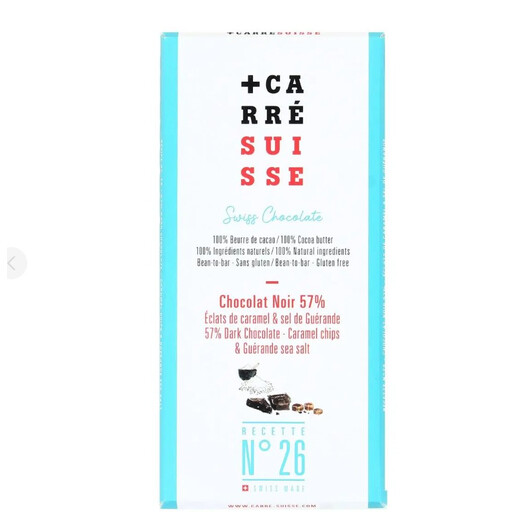 Image unavailable
CARRE organic dark chocolate with caramel and Guérande sea salt, 100 g
Consider this for chocolate pieces that combine caramel and Guérande sea salt. Inclusions matter when choosing a topping, so check the allergens and recommended use if you’d rather melt the bar. The organic claim alone doesn’t confirm Fairtrade certification.
View on Joybuy
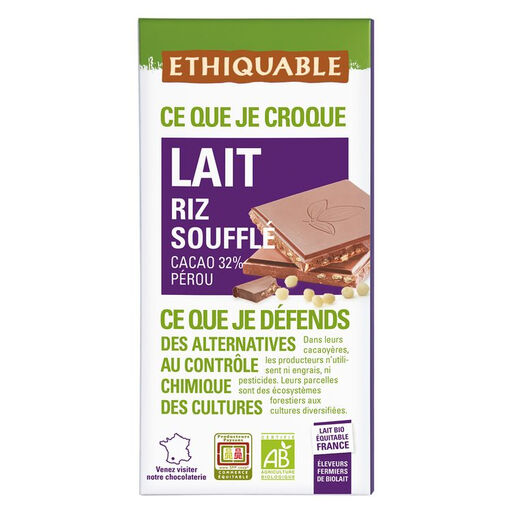 Image unavailable
ETHIQUABLE organic milk chocolate with puffed rice, 100 g
Consider this in pieces if you want to add the texture of puffed rice to your pancakes. Check the packaging for allergens and recommended use before planning a melted topping. The organic claim doesn’t explain what any Fairtrade label covers.
View on Joybuy
Frequently asked questions
Is Nutri-Score compulsory on chocolate bars in France?
No. The DGCCRF says that Nutri-Score is voluntary. To compare prepacked chocolate bars, check their ingredients, allergens and nutritional values per 100 g, whether or not a Nutri-Score is displayed.
Does the ‘soda tax’ apply to chocolate bars?
No. The French Ministry of the Economy describes this levy as applying to sugary drinks, not chocolate bars. You can still compare the sugar content shown in the nutritional values when deciding which recipe to make.
How can I find out what a Fairtrade label covers on a chocolate bar?
Look for the Fairtrade/Max Havelaar label on the exact product. Max Havelaar France explains that, when there’s an arrow next to the logo on a composite product, the back of the packaging gives details of the certified ingredients and type of traceability.
What does ‘best before’ mean on a chocolate bar?
This wording indicates a best-before date, not a use-by date. According to the DGCCRF, a product can be eaten after this date if its packaging is intact, although some aspects of its taste may deteriorate. You should also follow the storage instructions on the packaging.


