
Livraison le jour même ou le lendemain

Qualité garantie

Débloquez vos offres de bienvenue: Livraison GRATUITE | Jusqu'à -80 % | 30 jours d'essai gratuits à JoyPlus
Téléchargez l'application
Diving into Korean cuisine is a promise of exhilarating flavours, but the condiment aisle can quickly become overwhelming. Faced with a myriad of jars with colourful labels, it's easy to make a mistake. Choosing the wrong Korean soybean paste can turn your stew into a salt bomb or simply ruin your barbecue.
As the head of product selection at Joybuy, my mission is to guide you. Let's set aside the marketing jargon and focus on what's essential. Here are the two most common mistakes that will cost you time, money, and, most importantly, the authentic flavours you're hoping for.
To avoid making mistakes, you just need to master two key criteria. These guidelines will ensure you pick the perfect product for your recipe, every single time.
Korean cuisine primarily uses three types of pastes, which are essential to distinguish:
Even within the same category, flavours can vary. Manufacturers often offer different versions to suit all palates.
To help you better understand these differences, here are a few recommended options, each suited to a specific need.
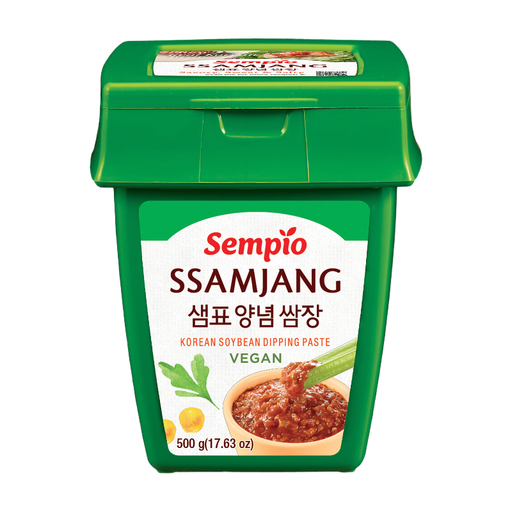
Why it's a great choice: This is the ideal ready-to-use sauce to accompany your grilled meats (samgyeopsal) and fresh vegetables. Its texture, neither too runny nor too thick, is perfect for filling a lettuce wrap without dripping.
This isn't a pure Doenjang, but a Ssamjang. It's specifically formulated as a balanced dipping sauce, thus avoiding the excessive saltiness of a raw soybean paste.
The blend includes garlic, roasted sesame, and onion, providing a flavour complexity that instantly elevates any grilled dish.
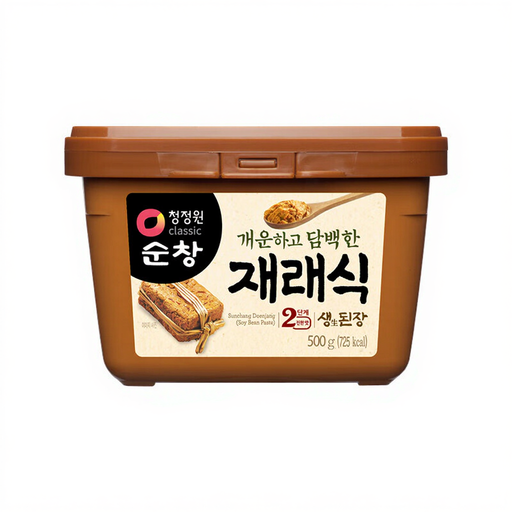
Why it's a great choice: This is a classic Doenjang, perfect for those who want to recreate the authentic taste of Korean stews. Its deep, salty, umami flavour provides the ideal base for soups.
By choosing a pure Doenjang, you avoid the sweetness of a Ssamjang, which is unsuitable for stews. This gives you full control over the final seasoning of your dish.
Its simple composition (soybeans, salt, water, wheat flour) makes it a versatile base ingredient for many Korean recipes beyond just stews.
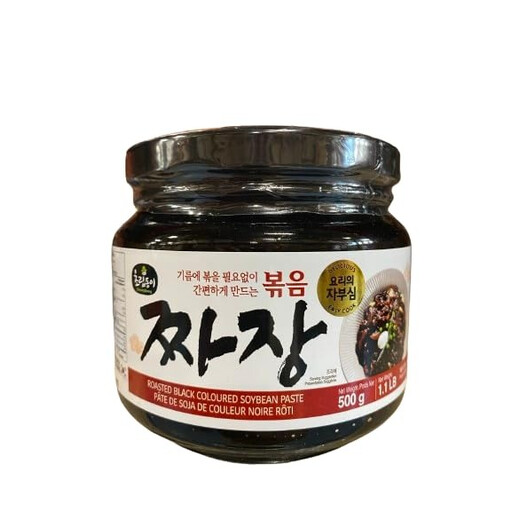
Why it's a great choice: This is the essential Chunjang (black bean paste) for preparing the rich, dark sauce for Jjajangmyeon noodles. Its flavour is rich, savoury, and subtly sweet.
This product clears up the most common confusion: it's not soybean paste (Doenjang), but black bean paste. Using it guarantees the authentic colour and taste of the dish.
The "Roasted" label indicates that the beans have been grilled, which gives the paste a deeper flavour and a subtle smoky note, setting it apart from classic versions.
These pastes are staples of Korean cuisine. If you're looking to expand your horizons, discover our complete selection of condiments and spreads, all rigorously selected by our experts.
Doenjang is a pure fermented soybean paste, very salty and rich in umami, used as a cooking base for soups and stews. Ssamjang is a blend that contains Doenjang, chilli paste (Gochujang), garlic, and other seasonings. It is less salty, more complex in flavour, and ready to use as a dipping sauce, especially for Korean barbecue.
All these pastes are fermented products with a high salt content, which gives them a long shelf life. Once opened, it is essential to store the jar in the refrigerator. Always use a clean spoon to scoop out the paste to prevent contamination. It will keep for several months, or even up to a year.
Yes, absolutely. Ssamjang is an excellent Korean condiment to add to a bibimbap recipe for a savoury and subtly spicy touch. A small spoonful mixed with the rice and vegetables instantly enhances the dish. Pure Doenjang is generally too intense to be added as is, but a Doenjang-based sauce can also be prepared.