
Livraison le jour même ou le lendemain

Qualité garantie

Débloquez vos offres de bienvenue: Livraison GRATUITE | Jusqu'à -80 % | 30 jours d'essai gratuits à JoyPlus
Téléchargez l'application
The rich and complex flavours of Korean soups and stews, like kimchi jjigae or doenjang jjigae, are winning over more and more food lovers in the UK. However, preparing a traditional Korean broth from scratch can be daunting. Simmering anchovies, seaweed, or beef bones for hours doesn't always fit into our busy schedules.
Fortunately, convenient solutions now exist to capture these authentic flavours without spending all day in the kitchen. At Joybuy, our mission is to find the best hidden gems for you. This guide is here to help you choose the Korean soup base that best suits your tastes and introduce you to a selection of products designed to simplify your everyday Korean cooking.
To make the right choice, here are a few simple criteria to consider that will determine the taste and convenience of your future meals.
The format of your broth directly impacts its ease of use and storage.
Korean broths come in several fundamental flavours, each being the star of specific dishes.
Taking a moment to read the list of Korean soup ingredients will give you valuable information. Check for potential allergens (fish, soy, gluten) and the overall composition. A short, clear list is often a good sign.
Here are three smart products to help you prepare delicious Korean dishes at home, each catering to different needs.
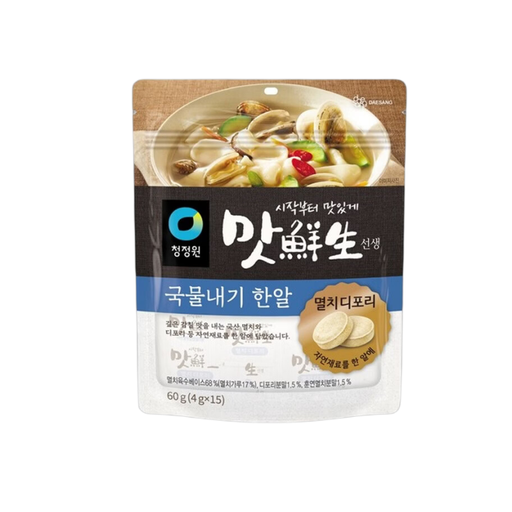
Why we love it
This product concentrates the full essence of traditional anchovy broth into an ultra-convenient coin stock format. Each coin dissolves quickly in hot water, releasing an umami flavour that will serve as a base for a multitude of Korean dishes. No more time spent straining tiny dried fish!
Highlights
Who is it for?
For busy cooks who don't want to compromise on the authentic taste of anchovy broth. It's perfect for getting started with Korean cooking and for anyone who enjoys seafood or tofu-based dishes.
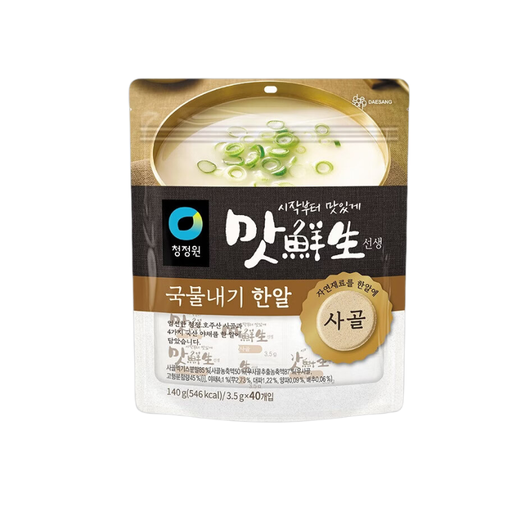
Why we love it
Achieving a rich, milky Korean beef broth typically requires hours of slow cooking. The Daesang Beef Bone coins are a stunning shortcut. They have been formulated to replicate the deep, comforting flavour of a long-simmered bone broth, adding body and richness to your soups.
Highlights
Who is it for?
This option is recommended for lovers of hearty and comforting Korean soups. If you're a fan of dishes like tteokguk (rice cake soup) or simply want to add a touch of depth to your meat dishes, this broth is an invaluable ally.
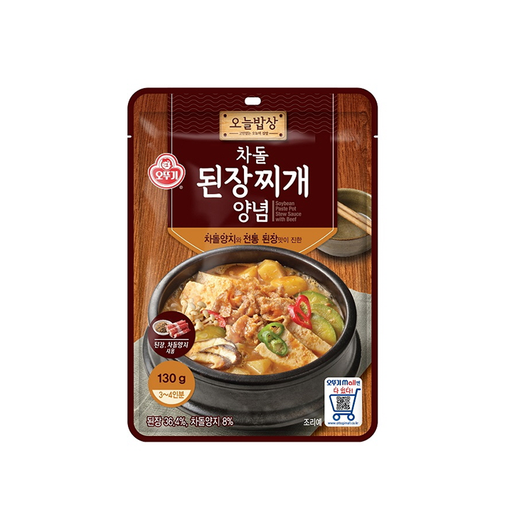
Why we love it
This product is much more than a simple broth. It's a complete jjigae sauce, specially designed for preparing doenjang jjigae, one of Korea's most iconic stews. It combines fermented soybean paste (doenjang) with beef extract, onion, and garlic for a complex, ready-to-use flavour base.
Highlights
Who is it for?
Ideal for those who want to make an authentic doenjang jjigae without having to juggle soybean paste, broth, and other condiments. It's a flavourful shortcut to a great classic of Korean cuisine.
This selection is just a starting point to simplify your Korean cooking journey. Each product is a gateway to a world of flavours. If you want to explore further or have a specific recipe in mind, other solutions are available.
To discover a wider range of bases, pastes, and cooking aids, explore our Soup section.
1. What is the difference between Korean dashi broth and Japanese dashi broth?
Although both often use kelp (kombu), Korean dashi broth (often called yuksu) very frequently incorporates dried anchovies, onions, and radish, giving it a more robust and complex flavour. Japanese dashi is generally more refined, based on kelp and dried bonito flakes (katsuobushi), for a smokier, more delicate taste.
2. Can I use a broth coin for something other than soups?
Absolutely. You can dissolve a coin in a small amount of water to create a concentrated liquid seasoning. Use it to enhance vegetable stir-fries, meat marinades, or to flavour the cooking water for your rice or noodles.
3. How long does a Korean soup base last once opened?
It depends on the format. Coin and powder broths, when stored in a cool, dry place, have a very long shelf life. For paste or sauce bases like Ottogi's, it is essential to refrigerate them after opening and consume them within the timeframe indicated on the packaging (often a few days or weeks) to ensure their freshness.