
Livraison le jour même ou le lendemain

Qualité garantie

Débloquez vos offres de bienvenue: Livraison GRATUITE | Jusqu'à -80 % | 30 jours d'essai gratuits à JoyPlus
Téléchargez l'application
Korean soju, with its iconic little green bottle, has become a global phenomenon, popularised by K-dramas and the wave of Korean restaurants opening everywhere. But with a booming selection, it's hard to know where to start. Between traditional versions and a myriad of fruit flavours, how do you make the right choice and avoid the most common traps??
As the Head of Product Recommendations at Joybuy, my mission is to help you make sense of it all. Let's cut through the marketing jargon?: we'll focus on the facts to help you choose the soju that's truly right for you.
Specifically, here are the two mistakes to avoid when buying your first soju?:
To avoid falling into a trap, just take a look at the label. A few key pieces of information will tell you exactly what you're getting in your glass.
This is THE number-one criterion to get it right. There are two main families of soju?:
Historically, soju was distilled from rice. Today, for cost reasons, mass production favours a neutral spirit made from sweet potato, tapioca, or barley. While the average person won't notice the difference, especially in flavoured versions, purists look for mentions of rice or barley spirits, which are known to provide a smoother mouthfeel.
When you want to buy soju with fruit flavour, the ingredients list is very telling. Favour bottles that list "fruit juice" or "natural flavour" rather than just "flavours". A peach soju or lychee soju made with real fruit extracts guarantees a more authentic and less synthetic taste.
To guide you, here are a few top picks, each suited to a different profile and occasion.
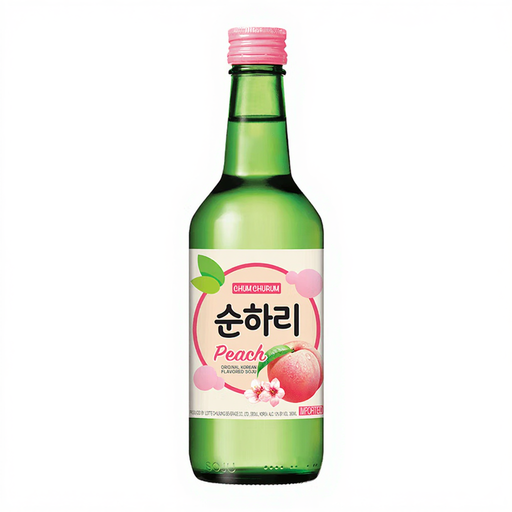
Why we chose it : It's the perfect entry point into the world of flavoured soju. Peach is a crowd-pleasing flavour, and Chum Churum is a leading Korean brand, guaranteeing consistent quality. Ideal for a first tasting or to get the party started.
This soju uses natural flavour and peach juice, giving it a fruity, balanced taste without the chemical notes found in some low-end alternatives.
A flavour everyone can agree on. Its moderate alcohol content (12%) makes it very approachable and refreshing, as long as it's served ice-cold.
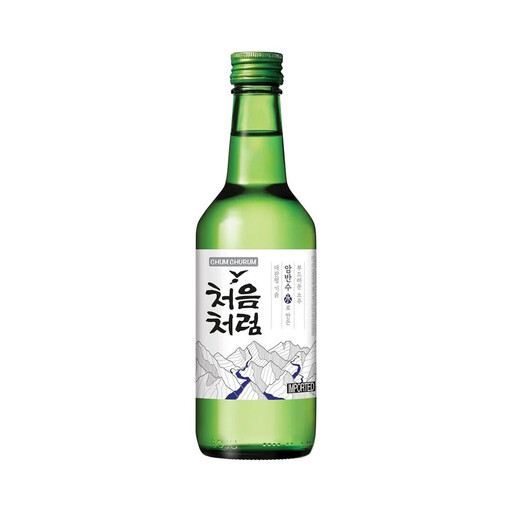
Why we chose it : To get started with cocktails, you need a reliable base. Original soju, with its clean profile and more assertive alcohol content, is the perfect candidate. It respects other ingredients while adding just the right amount of kick to the mix.
By choosing the original version, you bypass the pitfall of added flavours and sugar. You get an authentic Korean spirit that gives you complete control over your cocktail's final taste.
Its neutrality and 16.5% alcohol content make it an ultra-versatile base that pairs just as well with fruit juices as it does with syrups or other spirits.
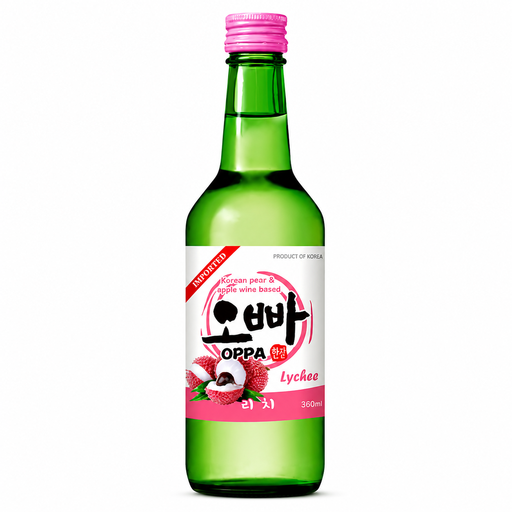
Why we chose it : For those who know the classics and want to venture off the beaten path. Lychee brings a floral and exotic aroma that really stands out. A refreshing and slightly more sophisticated option to surprise your guests.
This lychee soju includes cider and perry, promising an aromatic complexity that goes beyond simple syrup for a more nuanced tasting experience.
An exotic and floral aroma that makes a change from the usual red fruits. Perfect for those who enjoy delicate and fragrant notes.
Find our complete selection of products that tick all the boxes in our guide.
Traditionally, it's served ice-cold and neat in small shot glasses, meant to be drunk in one go. Flavoured soju is often enjoyed the same way, but sipped more slowly. It's also very popular in cocktails?: the most famous is the "Somaek" (soju + beer), but it also pairs very well with drinking yoghurts, fruit juices, or lemonade.
They are often confused, but they have very little in common. Soju is a distilled Korean spirit, while sake is a fermented rice alcohol (brewed, like beer) from Japan. Soju generally has a more neutral taste and a highly variable alcohol content (from 12% to over 45%), whereas sake offers a more complex flavour and most often has an ABV between 14% and 16%.
Yes. Like any spirit, a bottle of original soju will keep for several months after opening, as long as it is sealed tightly and stored away from light. For flavoured soju, it's best to keep it in the refrigerator and consume it within a few weeks to preserve the freshness of its aromas.